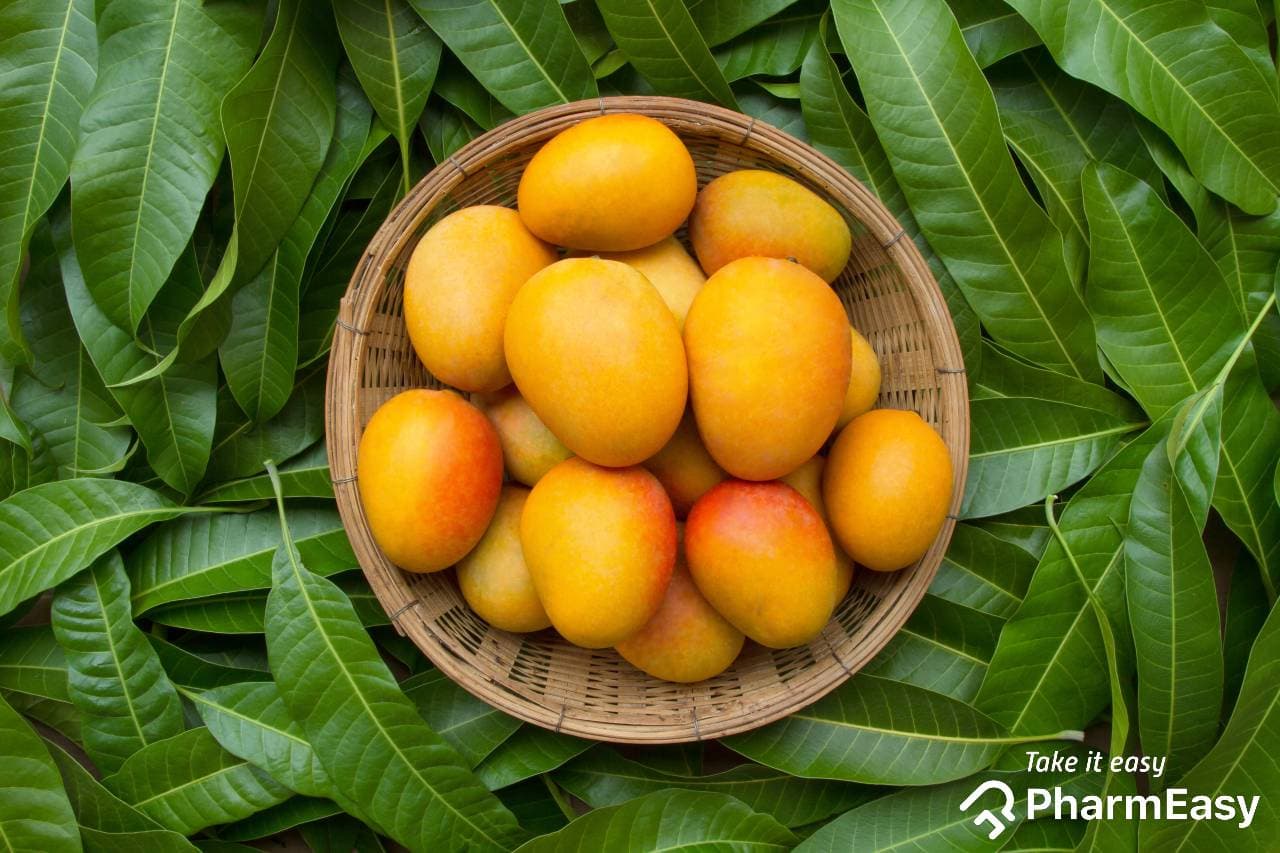
Mango (Aam): Uses, Benefits, Side Effects by Dr. Smita Barode
Meena, 45, a homemaker from Jaipur, noticed a persistent itchy rash on her arms after enjoying her favourite roadside aam panna during the scorching summer months. She initially dismissed it, but the discomfort grew.
This isn't an isolated incident; for many in India, the love affair with the king of fruits, the mango, comes with its own set of considerations.
These beloved fruits, or 'aam' as they are affectionately known across India, are more than just a delicious summer treat. They are a powerhouse of nutrients, offering a wide array of wellness advantages.
However, like any food, excessive consumption or specific sensitivities can lead to adverse effects. Understanding these aspects is crucial for enjoying this cherished fruit responsibly.
Nutritional Profile of Mangoes
A single cup (approximately 165 grams) of sliced fruit offers a substantial nutritional punch. 6 grams of dietary fibre. Importantly, these fruits are an excellent source of Ascorbic Acid, offering about 60% of the daily recommended intake.
They also provide a good amount of Retinol (in the form of beta-carotene), Pyridoxine, folate, and Phylloquinone. Minerals like potassium and magnesium are also present, contributing to overall well-being.
This is where most patients struggle.
What most people miss: The vibrant yellow-orange hue of these fruits signifies the presence of carotenoids, potent antioxidants that are converted into Retinol in the body. This nutrient is vital for vision, immune function, and skin condition.
Health Benefits of Mangoes
Boosts Immunity
These fruits are brimming with Ascorbic Acid and Retinol, both critical for a robust immune system. Ascorbic Acid stimulates white blood cell production, the body's primary defence against infections.
Retinol, on the other hand, plays a role in maintaining the integrity of mucosal barriers in the eyes, lungs, and gut, which act as the first line of defence against pathogens. A deficiency in Retinol affects immune cell function, making individuals more susceptible to illness.
Aids Digestion
The fibre present in mangoes aids in promoting regular bowel movements and preventing constipation. On top of that,, these fruits contain digestive enzymes called amylases, which help break down complex carbohydrates into simpler sugars, making them easier to absorb.
Here's where it gets interesting.
This digestive support is particularly beneficial during the monsoon season when digestive issues can be more common in India due to changes in food and water quality.
Supports Eye Health
The significant amount of Retinol, primarily from beta-carotene, makes these fruits excellent for ocular well-being. This nutrient is essential for good vision and can aid prevent age-related macular degeneration and dry eyes. Studies suggest that adequate intake of Retinol can significantly reduce the risk of vision impairment.
Promotes Heart Health
Mangoes contain magnesium and potassium, minerals that assist maintain a healthy heart rhythm and blood pressure. Potassium helps balance sodium levels in the body, thus regulating blood pressure.
Additionally, the fibre in these fruits can enable lower cholesterol levels. The antioxidant compounds in them also protect against oxidative stress, a factor implicated in cardiovascular disease development.
Improves Skin and Hair Health
The vitamins A and C in these fruits are crucial for skin and hair disorder. Vitamin C is essential for collagen production, a protein that keeps skin firm and elastic. Antioxidants combat free radicals, which can damage skin cells and accelerate ageing.
Beta-carotene helps protect the skin from sun damage. For hair, Vitamin A is necessary for cell growth, including hair.
Potential Anti-Cancer Properties
Polyphenols found in these fruits, such as mangiferin, quercetin, and fisetin, have demonstrated antioxidant and anti-inflammatory properties in laboratory studies. These compounds may enable protect against certain types of cancer by inhibiting the growth of cancer cells and inducing apoptosis (programmed cell death).
Recovery is rarely linear.
Research published in journals like *The Lancet* has explored the potential of these plant compounds.
Mangoes and Diabetes
Does this sound familiar? Many people with diabetes worry about consuming these fruits due to their natural sweetness. While mangoes do contain natural sweetness, their fibre content can benefit moderate the blood glucose response.
The glycaemic index (GI) of a mango typically ranges from low to medium, depending on the variety and ripeness. However, portion control is paramount. Over 101 million Indians have diabetes (ICMR, 2023), and for this population, mindful consumption is key.
Practically speaking, consuming a whole fruit in one sitting might spike blood glucose levels. It's advisable to pair them with foods that have a lower glycaemic index or higher protein and fat content, such as nuts or yogurt, to slow down sweetness absorption.
Consulting with a doctor or a registered dietitian is recommended for personalized advice.
Potential Side Effects of Mangoes
While generally safe and beneficial, excessive consumption of these fruits can lead to certain adverse effects. The high natural sweetness can be a concern for individuals with diabetes or those monitoring their intake.
Here's where it gets interesting.
Some people may experience allergic reactions, such as itching, hives, or even anaphylaxis, particularly those sensitive to urushiol, a compound found in mango skin and leaves—similar to poison ivy. This is what likely happened to Meena.
Another concern is the potential for digestive upset if too many are consumed at once, leading to diarrhoea due to the fibre and natural sweetness. The sap from the mango stem and leaves can also cause skin irritation or contact dermatitis in sensitive individuals.
Choosing and Storing Mangoes
Selecting the perfect fruit involves using your senses. Ripe ones often have a fruity aroma and yield slightly to gentle pressure. Colour is not always the best indicator, as it varies by variety.
Avoid fruits with bruises or soft spots. To ripen unripe ones, place them in a paper bag at room temperature for a day or two. Once ripe, store them in the refrigerator to slow down the ripening process.
Here's the thing — many Indian households have traditional methods of storing these fruits, often in cool, dark places, or even burying them slightly in sand to maintain a consistent temperature. These methods, while rustic, often leverage natural cooling principles.
Most people overlook this completely.
Ways to Enjoy Mangoes
The versatility of the fruit is astounding. It can be enjoyed fresh, sliced, or diced. It's a popular addition to smoothies, milkshakes, and lassis—a staple during Indian summer gatherings.
Mango pulp is used in desserts like ice cream, sorbets, and traditional sweets like 'aamras'. Unripe fruits are used to make pickles ('achaar'), chutneys, and 'panna', a refreshing summer drink that Meena enjoyed.
Raw fruit salads offer a tangy contrast, and mango sticky rice is a beloved dessert in many parts of South Asia. Even savoury dishes can incorporate them, adding a sweet and tangy dimension.
The International Diabetes Federation (IDF) acknowledges the importance of incorporating fruits into a balanced diet, emphasizing moderation and mindful choices.
Cultural Significance in India
In India, the fruit holds immense cultural and economic significance. It's often referred to as the 'king of fruits' and is deeply ingrained in traditions, festivals, and daily life, especially during summer. Mango leaves are used in religious ceremonies, and mango wood is prized for its durability.
The arrival of the fruit season is celebrated, marking a time of abundance and joy. The sheer variety cultivated across India—from the Alphonso of Maharashtra to the Dasheri of Uttar Pradesh—reflects the country's rich agricultural diversity.
The practice of sitting on the floor (like 'patti' or 'chatai') and enjoying sliced fruit with family during summer evenings is a cherished cultural memory for many. This communal enjoyment underscores the fruit's place not just in our diet, but in our social fabric.
Here's where it gets interesting.
Conclusion: Mindful Indulgence
These fruits are a nutritional treasure trove, offering numerous wellness advantages. Their rich nutrient and antioxidant profile supports immunity, digestion, eye health, and more.
However, their natural sweetness necessitates mindful consumption, especially for individuals managing diabetes or other health conditions. Understanding portion sizes, listening to your body, and being aware of potential sensitivities—like Meena's reaction to the skin—are key to savouring the king of fruits without adverse effects.
So what does that mean for you? Embrace the deliciousness and nutritional bounty of these fruits, but do so with awareness and moderation. The goal is to integrate this delightful fruit into a balanced diet, ensuring you reap its benefits while minimizing any potential risks.
Always consult a qualified physician before making any medical decisions.
Key Takeaways
- These fruits are rich in Vitamins A and C, crucial for immunity and skin issue.
- The fibre content aids digestion, while potassium and magnesium support heart health.
- Individuals with diabetes should consume them in moderation due to their natural sweetness, considering portion size and pairing with other foods.
- Allergic reactions, particularly to mango skin, can occur; be mindful of sap contact.
- Mangoes offer numerous wellness benefits but should be enjoyed as part of a balanced diet.