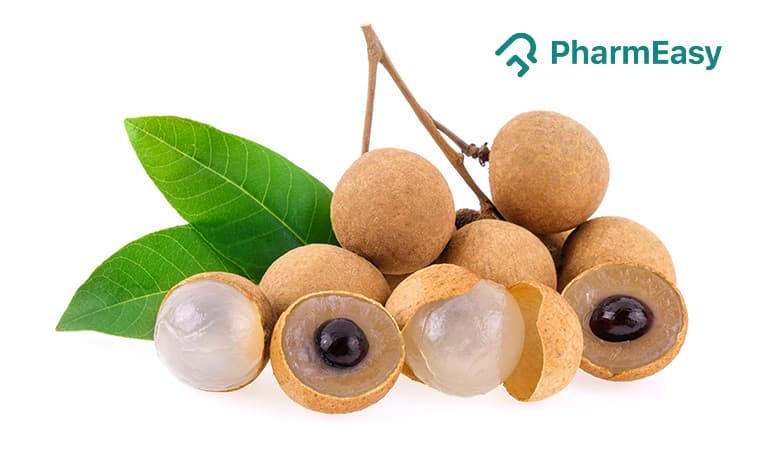
Longan (Dragon’s Eye Fruit): A Nutritional Powerhouse for Indian Wellness
Meena, 45, a homemaker from Jaipur, experienced persistent fatigue and occasional digestive discomfort. Her physician advised incorporating more nutrient-rich produce into her diet, especially during the humid monsoon season when energy levels often dip.
Among the suggestions was the longan, also known as the dragon's eye, a lesser-known but potent superfood gaining traction in India. Have you ever pondered why certain produce is celebrated for its well-being-promoting properties?
The truth is, many tropical varieties, including longan, offer a unique blend of nutrients that can significantly impact our wellness. While often overshadowed by its more famous relative, the lychee, longan boasts its own impressive nutritional profile.
This article will explore the myriad wellness benefits of longan, its rich nutritional value, potential drawbacks, and how this exotic item can be integrated into a balanced Indian diet.
Nutritional Profile of Longan
Longan (Dimocarpus longan) is a tropical item native to Southeast Asia, now cultivated in various parts of India. Its translucent flesh, which resembles an eyeball when peeled (hence the name 'dragon's eye'), is sweet and juicy. But beyond its appealing taste and appearance, longan is packed with essential nutrients.
Macronutrients and Calories
A 100-gram serving of fresh longan contains approximately 60-70 calories, making it a relatively low-calorie option for a sweet treat. It primarily consists of carbohydrates, with about 15-17 grams per 100g, mainly in the form of natural sugars that provide quick energy.
Recovery is rarely linear.
Protein content is minimal, around 1 gram, and fat content is negligible. This makes it a good choice for those managing their weight or looking for a healthy energy boost.
Vitamins and Minerals
The real nutritional power of longan lies in its micronutrient makeup. It is an excellent source of Vitamin C, a potent nutrient crucial for immune function and skin wellness. A 100g serving can provide a significant portion of the daily recommended intake.
Longan also contains B vitamins, including B1 (thiamine) and B2 (riboflavin), which are vital for energy metabolism and nerve function. Practically speaking, these vitamins help convert food into usable energy, combating the fatigue Meena experienced.
Minerals found in longan include potassium, important for maintaining healthy blood pressure, and smaller amounts of phosphorus, magnesium, and iron. While not as rich in iron as some leafy greens, its Vitamin C content enhances the absorption of any dietary iron present.
Antioxidants and Phytonutrients
Longan is particularly rich in compounds that combat cell damage, such as gallic acid and ellagic acid. These compounds enable combat oxidative stress caused by free radicals in the body.
Oxidative stress is linked to chronic conditions like heart disease, diabetes, and certain cancers. The item also contains various polyphenols, which have demonstrated anti-inflammatory and anti-cancer properties in preliminary studies.
Here's where it gets interesting.
Wellness Benefits of Longan
The rich nutritional composition of longan translates into a range of impressive wellness benefits. In many cases, incorporating this item into your diet can contribute positively to overall wellness.
1. Boosts Immunity
The high Vitamin C content in longan is a primary driver of its immune-boosting capabilities. Vitamin C stimulates the production and function of white blood cells, the body's primary defense against infections.
Additionally, the protective compounds present support protect immune cells from damage, ensuring a robust immune response. This is especially beneficial during India's monsoon season, which often brings increased susceptibility to infections.
2. Enhances Skin Wellness
Protective compounds play a crucial role in maintaining youthful and healthy skin. By neutralizing free radicals, they benefit prevent premature aging, reduce wrinkles, and improve skin elasticity.
The Vitamin C in longan also aids in collagen production, a protein essential for skin structure and repair. Honestly, the cumulative effect of these nutrients can lead to a noticeable improvement in skin radiance.
It sounds simple. It rarely is.
3. Supports Digestive Wellness
While not a high-fiber item, longan contains saponins, which have been traditionally used in Chinese medicine for digestive wellness. These compounds may benefit regulate digestion and alleviate certain gastrointestinal issues.
Some studies suggest longan may possess mild laxative properties, aiding in regular bowel movements. Does this sound familiar to those struggling with occasional constipation?
4. Promotes Better Sleep and Reduces Stress
Traditional Chinese Medicine has long valued longan for its calming properties. It is believed to nourish the heart and spleen, which are associated with anxiety and insomnia in TCM. While scientific evidence is still emerging, some research suggests that compounds in longan may have a mild sedative effect, potentially improving sleep quality and reducing stress levels.
This is particularly relevant in today's fast-paced world, where stress and sleep disturbances are common. Sleep is vital.
5. Potential Anti-Cancer Properties
The rich protective compound and polyphenol content in longan has sparked interest in its potential anti-cancer effects. Studies, primarily *in vitro* and in animal models, have shown that extracts from longan can inhibit the growth of certain cancer cells and induce apoptosis (programmed cell death). For instance, research published in journals like *The Lancet* has explored the anti-proliferative effects of various produce-derived polyphenols.
However, more human clinical trials are needed to confirm these effects. The International Agency for Research on Cancer (IARC), a part of WHO, continuously monitors such research.
6. Aids in Blood Circulation and Anemia Prevention
Longan contains iron, a vital mineral for red blood cell production. While the iron content isn't exceptionally high compared to other sources, the presence of Vitamin C significantly enhances iron absorption from the digestive tract.
That's the part worth remembering.
This can be beneficial for individuals at risk of iron-deficiency anemia. Improved blood circulation is another potential benefit, contributing to better oxygen delivery throughout the body.
7. Eye Health
The item's name, 'dragon's eye', might hint at its benefits for vision. Longan contains Vitamin A precursors and other protective compounds that can enable protect the eyes from age-related macular degeneration and cataracts.
While not a cure, regular consumption of nutrient-rich foods like longan may contribute to maintaining good eye wellness over time.
Longan vs. Lychee: A Brief Comparison
Both longan and lychee are delicious tropical items belonging to the soapberry family. They share similarities in appearance and taste but have distinct differences. Longan is generally smaller and has smoother, thinner skin than lychee. Its flesh is slightly less juicy but equally sweet.
Nutritionally, both are good sources of Vitamin C and protective compounds, though their specific profiles may vary slightly. Lychee often contains a bit more sugar and calories. The choice between them often comes down to personal preference and availability.
Potential Side Effects and Precautions
Despite its numerous benefits, consuming longan should be done in moderation. Here are some points to consider:
1. High Sugar Content
Longan is naturally sweet, containing a notable amount of sugar. Individuals with diabetes or those monitoring their blood sugar levels should consume longan in limited quantities.
Overconsumption can lead to a spike in blood glucose levels. Remember, over 101 million Indians have diabetes (ICMR, 2023), making mindful sugar intake crucial for many.
2. Digestive Upset
For some individuals, particularly those unaccustomed to the item, consuming large amounts of longan can lead to digestive discomfort, such as bloating or diarrhea. This is often due to its high sugar content and certain compounds that can ferment in the gut. Starting with small portions is advisable.
Most people overlook this completely.
3. 'Heatiness' in Traditional Medicine
In traditional Indian and Chinese medicine, longan is often considered a 'heating' food. Consuming too much might be believed to aggravate conditions associated with 'heat', such as acne, inflammation, or mouth ulcers.
This concept, while not strictly scientific, reflects an ancient understanding of how certain foods might affect the body's balance. Practically speaking, if you notice any adverse reactions after eating longan, reducing your intake is a sensible approach.
4. Pregnancy and Breastfeeding
There is limited scientific research on the safety of consuming large amounts of longan during pregnancy and breastfeeding. While moderate consumption as part of a balanced diet is likely safe, it's best to consult a healthcare provider. Some traditional beliefs advise against excessive consumption during these periods.
Incorporating Longan into Your Indian Diet
Integrating longan into your daily meals is simple and can add a delightful twist to your diet. Here are a few ideas:
- Fresh Consumption: Enjoy the item as is. Peel the skin and savour the sweet, juicy flesh. This is the simplest way to get its nutritional benefits.
- Desserts: Add longan to fruit salads, puddings, or jellies. Its natural sweetness can reduce the need for added sugar. Imagine serving a refreshing longan and coconut milk dessert during a summer afternoon.
- Smoothies and Juices: Blend longan with other produce, yogurt, or milk for a nutritious and delicious smoothie.
- Traditional Preparations: In some Asian cultures, dried longan is used in soups and teas, believed to have restorative properties. While less prevalent in India, exploring these traditional uses can be interesting.
- With Meals: Served alongside heavier meals, especially during festive occasions where diets can become rich, longan can offer a lighter, refreshing counterpoint. Think of it as a natural palate cleanser.
The versatility of longan allows it to complement various Indian culinary traditions, offering a healthy and flavorful addition. The item is readily available in Indian markets, especially during its peak season, often sold alongside lychees and other tropical produce.
Most people overlook this completely.
Key Takeaways
- Longan is rich in Vitamin C and protective compounds, supporting immune function and skin wellness.
- It provides essential B vitamins for energy metabolism and minerals like potassium.
- Potential benefits include improved digestion, better sleep, and possible anti-cancer properties, though more research is needed.
- Individuals with diabetes should consume longan in moderation due to its natural sugar content.
- Longan can be easily incorporated into the diet as a fresh item, in desserts, smoothies, or traditional preparations.
Always consult a qualified physician before making any medical decisions.