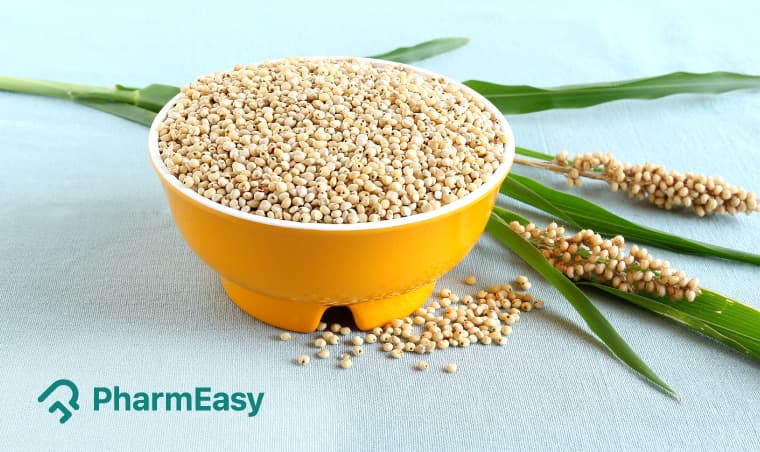
Sorghum: A Nutritional Powerhouse for the Modern Indian Diet
Meena, 45, a homemaker from Jaipur, noticed her energy levels dipping significantly after lunch, a common complaint among many in India. Her doctor suggested incorporating more whole grains into her diet, and she began exploring options beyond the ubiquitous wheat and rice. Her journey led her to Jowar, or Sorghum, a grain deeply rooted in India's agricultural past but perhaps less celebrated in contemporary urban kitchens.
Have you ever wondered why certain traditional foods are making a comeback? It's often due to their incredible nutritional benefits, rediscovered in light of modern health challenges.
Jowar, scientifically known as Sorghum bicolor, is one of the world's most ancient and widely cultivated cereal grains. In India, it holds a special place, especially in the arid and semi-arid regions of Maharashtra, Karnataka, and Rajasthan. Often referred to as the 'poor man's food' historically, its nutritional profile far surpasses this humble moniker. Here's the thing — with the rising tide of lifestyle diseases like diabetes and obesity, looking back at our traditional food staples offers a promising path forward. Over 101 million Indians currently live with diabetes (ICMR, 2023), highlighting the urgent need for dietary interventions.
Nutritional Profile of Jowar
What makes Jowar stand out? Its impressive nutritional composition. A 100-gram serving of cooked Jowar is a treasure trove of essential nutrients. It provides approximately 10-12 grams of protein, which is crucial for muscle repair and overall body function.
This protein content is comparable to that of other major grains, making it a valuable addition for vegetarians. Jowar is an excellent source of dietary fiber, offering around 6-8 grams per 100 grams. This fiber is vital for digestive health and helps in managing blood sugar levels.
The grain is also rich in complex carbohydrates, providing sustained energy release, which is why Meena found her post-lunch slump disappearing. It boasts a good amount of essential minerals. You'll find significant levels of iron, crucial for preventing anemia, a condition affecting a substantial portion of the Indian population, particularly women.
The numbers don't lie.
Phosphorus, magnesium, and potassium are also present in good quantities, contributing to bone health, nerve function, and blood pressure regulation. Jowar is naturally gluten-free, making it an excellent alternative for individuals with celiac disease or gluten sensitivity.
Nutritional Benefits of Incorporating Jowar
1. Diabetes Management
One of Jowar's most celebrated benefits is its role in managing diabetes. Its high fiber content, particularly insoluble fiber, slows down the digestion and absorption of carbohydrates. This leads to a gradual rise in blood sugar levels, preventing sharp spikes and crashes. Have you ever wondered why?
The complex structure of Jowar's carbohydrates means they take longer to break down, providing a steady supply of glucose to the bloodstream. Studies published in reputable journals like The Lancet have indicated that whole grains rich in fiber can significantly improve glycemic control. The glycemic index (GI) of Jowar is generally lower than that of refined grains like white rice, making it a preferred choice for diabetics. Approximately 15% of the Indian population suffers from diabetes, making such dietary staples invaluable.
2. Heart Health
The abundance of fiber in Jowar also contributes significantly to cardiovascular health. Soluble fiber helps in reducing LDL (low-density lipoprotein) cholesterol levels, often referred to as 'bad' cholesterol. By binding to cholesterol in the digestive tract and preventing its absorption, Jowar aids in maintaining healthy cholesterol levels. Jowar contains antioxidants, such as 3-deoxyanthocyanidins, which possess anti-inflammatory properties.
Here's where it gets interesting.
Chronic inflammation is a known risk factor for heart disease. Regular consumption of Jowar can, therefore, contribute to a healthier heart. The World Health Organization (WHO) estimates that cardiovascular diseases remain the leading cause of death globally, underscoring the importance of heart-healthy foods.
3. Weight Management
For those aiming to manage their weight, Jowar can be a powerful ally. Its high fiber and protein content promote satiety, keeping you feeling fuller for longer. This reduces the likelihood of overeating and unhealthy snacking between meals.
Unlike refined grains that offer empty calories, Jowar provides sustained energy without the associated caloric surplus. Incorporating Jowar into your diet can be as simple as swapping your usual roti for a Jowar roti or adding Jowar flour to your baked goods. This makes achieving a healthy weight more sustainable and less about deprivation.
4. Digestive Health
The high fiber content in Jowar is a boon for the digestive system. Insoluble fiber adds bulk to the stool, promoting regular bowel movements and preventing constipation. This is particularly beneficial in India, where digestive issues are usual, often exacerbated by dietary habits or the monsoon season's impact on food hygiene.
The numbers don't lie.
A healthy gut microbiome is increasingly linked to overall well-being, and Jowar's prebiotic fiber can nourish beneficial gut bacteria. But why does this happen? Fiber acts as a fuel source for these good bacteria, enabling them to thrive and perform their essential functions.
5. Rich in Antioxidants
Jowar is a good source of various antioxidants, including phenolic compounds and tannins. These compounds help combat oxidative stress caused by free radicals in the body. Oxidative stress is implicated in aging and the development of chronic diseases like cancer and heart disease.
By neutralizing free radicals, Jowar's antioxidants contribute to cellular health and longevity. Its antioxidant profile makes it a valuable addition to a diet aimed at promoting long-term nutritional wellness and vitality.
Uses of Jowar in Indian Cuisine
Jowar's versatility is one of its greatest strengths. Traditionally, it is ground into flour and used to make rotis, bhakris, and bhuttas (a type of pancake).
These are staples in many Maharashtrian households, often enjoyed with a dollop of ghee and a side of seasonal vegetables or dal. Think of sitting on the floor during a festive meal, savouring a warm, rustic Jowar bhakri – it’s an experience that connects you to India’s culinary heritage.
Recovery is rarely linear.
Beyond these traditional preparations, Jowar can be used in numerous other ways. The whole grain can be popped like popcorn (known as 'jonna chena' in some regions) and enjoyed as a nutritious snack. It can also be boiled and added to salads or used to make porridge.
Jowar flour can be incorporated into baked goods like muffins, pancakes, and bread, adding a nutritional boost and a slightly nutty flavour. Its gluten-free nature also makes it a key ingredient in gluten-free baking mixes. This adaptability allows it to seamlessly fit into modern dietary patterns, whether you're preparing traditional Indian dishes or experimenting with international recipes.
Potential Side Effects and Precautions
While Jowar is generally safe and highly beneficial for most people, there are a few considerations. In some individuals, particularly those not accustomed to a high-fiber diet, a sudden increase in Jowar consumption might lead to digestive discomfort such as bloating or gas.
It's advisable to introduce it gradually into your diet and ensure adequate fluid intake to aid digestion. Worth knowing: starting with smaller portions and gradually increasing them allows your digestive system to adapt.
Here's where it gets interesting.
Jowar, like other grains, contains phytic acid, which can bind to certain minerals like iron and zinc, potentially reducing their absorption. However, traditional Indian cooking methods such as soaking, fermenting, or roasting Jowar before consumption can significantly reduce phytic acid levels, thereby enhancing nutrient bioavailability.
For individuals with specific health conditions or dietary restrictions, consulting a healthcare professional or a registered dietitian is always recommended. The International Diabetes Federation (IDF) emphasizes personalized dietary approaches for diabetes management.
Jowar vs. Wheat and Rice
Comparing Jowar to wheat and rice reveals its unique advantages. Wheat, while a staple, contains gluten, which is problematic for a growing number of people. Rice, especially white rice, has a higher glycemic index and lower fiber content compared to Jowar, making it less ideal for blood sugar control and satiety.
Jowar offers a gluten-free alternative with superior fiber and nutrient density. Over 65 million Indians suffer from digestive disorders (Nielsen India), and opting for nutrient-dense, high-fiber grains like Jowar can be a proactive step towards better gut health. Its nutritional superiority makes it a compelling choice for a health-conscious Indian population.
It sounds simple. It rarely is.
Conclusion: Embracing Jowar for a Healthier Future
Jowar is more than just a grain; it's a link to India's rich agricultural heritage and a powerful tool for navigating contemporary health challenges. Its impressive nutritional profile, coupled with its versatility and benefits for diabetes management, heart health, weight control, and digestion, makes it an indispensable part of a balanced diet. As Meena discovered, incorporating traditional grains like Jowar can lead to tangible improvements in well-being.
With over 30% of Indians experiencing micronutrient deficiencies (National Family Health Survey), focusing on nutrient-dense staples is crucial. This ancient grain offers a delicious and effective way to enhance your nutritional intake and embrace a more wholesome way of eating.
Key Takeaways
- Jowar is a nutrient-dense, gluten-free grain rich in fiber, protein, and essential minerals like iron and magnesium.
- It aids in diabetes management by slowing carbohydrate absorption and promoting stable blood sugar levels.
- Regular consumption can contribute to improved heart health by lowering cholesterol and reducing inflammation.
- Jowar promotes weight management through increased satiety and sustained energy release.
- Traditional Indian cooking methods enhance the bioavailability of nutrients in Jowar.
Always consult a qualified physician before making any medical decisions.