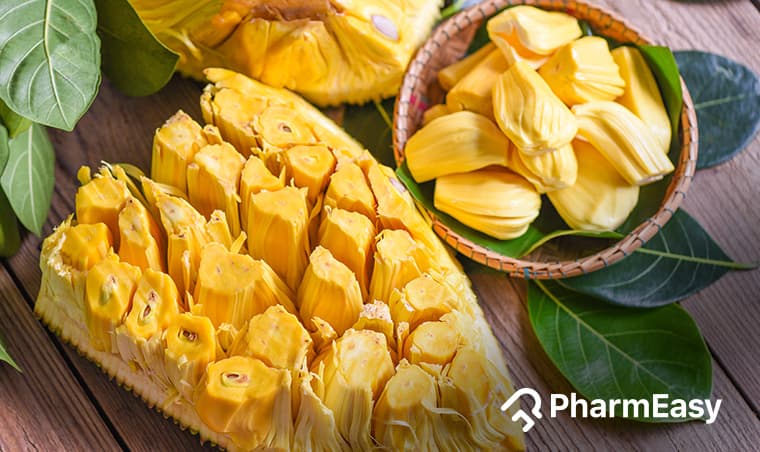
The Tropical Marvel of Kathal: A Treasure Trove of Goodness
Meena, 45, a homemaker from Jaipur, experienced persistent fatigue and digestive discomfort. Her physician recommended increasing her intake of foods abundant in dietary fibre. Recalling her grandmother’s anecdotes about the adaptable kathal, or jackfruit, Meena decided to investigate its potential. This enormous fruit, originating from South India and Southeast Asia, is far more than just a culinary novelty; it's a nutritional powerhouse brimming with essential vitamins, minerals, and fibre.
Jackfruit (Artocarpus heterophyllus) holds the distinction of being the world's largest tree-borne fruit, capable of reaching weights of up to 55 kg (120 lbs) and lengths approaching a meter. Its distinctive texture, often likened to pulled pork when in its unripe state due to its stringy nature, has made it a favoured meat alternative in vegetarian and vegan cuisines. In contrast, ripe jackfruit delivers a sweet, tropical essence, reminiscent of a blend of pineapple, mango, and banana.
Nutritional Profile of Kathal
A 100-gram portion of raw jackfruit provides approximately 95 calories, positioning it as a relatively low-calorie option given its substantial size. 7 mg, which accounts for roughly 15% of the daily recommended intake.
This vitamin is fundamental for robust immune function and maintaining healthy skin. The fruit also boasts a commendable quantity of Vitamin A, various B vitamins (including B6 and folate), potassium, magnesium, and manganese.
A crucial aspect often overlooked is the significant fibre content. 5 grams of dietary fibre, which is indispensable for digestive wellness.
Fibre plays a vital role in regulating blood sugar levels, promoting a feeling of fullness, and assisting in the prevention of constipation. The carbohydrate composition of the fruit is primarily derived from natural sugars such as fructose and sucrose, which impart the characteristic sweetness to ripe jackfruit.
From a practical standpoint, jackfruit also contributes valuable antioxidants, including carotenoids and flavonoids. These compounds actively combat oxidative stress within the body, potentially lowering the risk of developing chronic ailments. Scientific publications in esteemed journals like The Lancet have underscored the protective role of antioxidants in preventing cellular damage.
Health Benefits of Kathal
The advantages of incorporating jackfruit into your dietary regimen are extensive and well-supported by evidence.
1. Digestive Wellness
The ample fibre content within jackfruit functions as a natural prebiotic, nurturing beneficial gut flora. This fosters a thriving gut microbiome, which is increasingly recognized for its connection to overall well-being, encompassing immune response and even mental acuity.
That's the part worth remembering.
On top of that,, the fibre adds bulk to stool, promoting regularity in bowel movements and averting issues such as constipation. Consistent consumption can substantially contribute to sustaining a well-functioning digestive system.
2. Blood Sugar Regulation
Although ripe jackfruit possesses a sweet profile, its glycemic index (GI) is considered moderate, particularly when contrasted with other tropical fruits. Unripe jackfruit exhibits a lower GI and is frequently recommended for individuals monitoring their blood sugar levels. The presence of fibre helps to decelerate the absorption of sugars into the bloodstream, thereby preventing abrupt surges.
Findings from the Indian Council of Medical Research (ICMR) indicate that diets rich in fibre may play a role in mitigating the onset of type 2 diabetes. With over 101 million individuals in India affected by diabetes (ICMR, 2023), managing blood sugar is a paramount concern for public wellness.
So, what does this imply for your dietary choices? Incorporating unripe jackfruit into savoury dishes could be a judicious nutritional decision if you are actively monitoring your glucose readings.
3. Cardiovascular Health
Potassium, found abundantly in jackfruit, is essential for maintaining cardiovascular wellness. It aids in regulating blood pressure by counterbalancing the effects of sodium and promoting relaxation of blood vessel walls.
Recovery is rarely linear.
A dietary intake of potassium that meets the recommendations set by the World Health Organization (WHO) is associated with a diminished likelihood of stroke and heart disease. What's more,, the antioxidant compounds present in jackfruit may help reduce inflammation and prevent the oxidation of cholesterol, offering further protection to the heart.
4. Immune System Reinforcement
The substantial Vitamin C content in jackfruit serves as a potent immune system enhancer. Vitamin C stimulates the production of white blood cells, which are the body's primary line of defence against pathogens.
In conjunction with other antioxidants like Vitamin A, jackfruit helps fortify the body's innate defence mechanisms. During India's monsoon season, a period marked by a higher incidence of infections, a diet rich in Vitamin C can prove particularly advantageous.
5. Skin Radiance
Antioxidants and Vitamin C both contribute to the maintenance of healthy skin. Vitamin C is indispensable for the synthesis of collagen, a protein vital for maintaining skin firmness and elasticity.
Antioxidants shield skin cells from damage inflicted by free radicals, which can precipitate premature aging. Regular consumption may aid in preserving a youthful complexion and offer protection against sun-induced damage.
Recovery is rarely linear.
6. Ocular Wellness
Jackfruit contains Vitamin A and carotenoids, both of which are crucial for maintaining good vision. Vitamin A is fundamental for the optimal functioning of the retina, and its deficiency can lead to impaired night vision.
Carotenoids also exhibit antioxidant properties that may offer protection to the eyes against age-related macular degeneration.
7. Skeletal Integrity
The presence of magnesium and calcium in jackfruit supports the maintenance of strong bones. Magnesium participates in calcium absorption and bone development, while calcium serves as the primary structural component of bones. Although not a principal source of these minerals, their inclusion in jackfruit contributes to the daily intake.
Culinary Applications of Kathal
The adaptability of jackfruit in the kitchen is truly remarkable. It can be prepared in a wide array of ways, spanning both savoury and sweet dishes.
Unripe Jackfruit (Kathal ki Sabzi)
Green, unripe jackfruit is a cornerstone ingredient in numerous Indian households, particularly in the northern regions. It possesses a neutral flavour profile and a firm, meat-like texture, rendering it an exceptional meat substitute. It is commonly prepared as a curry (sabzi), often featuring onions, tomatoes, ginger, garlic, and a harmonious blend of aromatic Indian spices. Well-known preparations include Kathal ki Sabzi and Aloo Kathal (a curry combining jackfruit and potatoes). Due to the physical effort often required to prepare this large fruit comfortably, it is frequently associated with family gatherings and traditional culinary practices.
Ripe Jackfruit
Mature jackfruit is characterized by its intense sweetness and fragrant aroma. The fleshy segments (pods) encasing the seeds are typically consumed raw as a fruit. It can also be transformed into delectable desserts, jams, jellies, ice creams, and smoothies. Its inherent sweetness pairs exceptionally well with coconut milk and other tropical fruits.
Jackfruit Seeds
The seeds of the jackfruit are not to be discarded! When cooked, jackfruit seeds are edible and nutritious. They possess a starchy consistency, akin to chestnuts or potatoes, and can be prepared by boiling, roasting, or incorporated into curries.
They offer a good source of protein, carbohydrates, and fibre. Roasting them, similar to how nuts are prepared during Diwali festivities, adds a distinctive touch to celebratory snacks.
In many instances, these seeds are overlooked, yet they provide a substantial nutritional advantage, containing approximately 6 grams of protein per 100 grams when boiled.
Potential Adverse Effects and Precautions
While jackfruit is generally well-tolerated by most individuals, certain considerations are worth noting:
- Allergies: A subset of individuals may experience allergic reactions to jackfruit, particularly those with sensitivities to birch pollen or latex. Symptoms can range from mild irritation to severe reactions.
- Blood Sugar: Despite its benefits for blood sugar regulation, individuals undergoing treatment for diabetes should closely monitor their glucose levels when consuming jackfruit, especially ripe varieties, owing to its natural sugar content.
- Digestive Discomfort: Ingesting exceedingly large quantities might induce mild digestive upset in some individuals owing to its high fibre concentration.
- Medication Interactions: Jackfruit may potentially interact with specific pharmaceuticals, such as anticoagulants. If you are currently taking medication, it is always advisable to seek guidance from your healthcare provider.
The reality is that for the overwhelming majority of people, the advantages significantly outweigh any potential downsides when consumed in moderation as part of a well-rounded diet.
Kathal in Comparison to Other Foods
When juxtaposed with meat, unripe jackfruit presents considerably fewer calories and saturated fat while delivering essential fibre. 5-2 grams of fibre.
As a meat substitute, it offers a healthier, plant-based alternative.
In comparison to other fruits like bananas (roughly 89 calories per 100g) or mangoes (approximately 60 calories per 100g), ripe jackfruit has a slightly elevated calorie count but offers a more intricate nutritional composition, particularly in terms of fibre and certain micronutrients.
The numbers don't lie.
So, what action should you take? Experiment with unripe jackfruit in your preferred curries or stir-fries. Try ripe jackfruit in smoothies or as a simple snack. Remember to boil or roast the seeds!
A Call to Embrace Kathal
Jackfruit, or kathal, is a truly extraordinary fruit boasting a rich heritage and an impressive spectrum of wellness advantages. From supporting digestion and cardiovascular function to bolstering immunity and providing a versatile culinary experience, this tropical giant merits a place in your diet. Its capacity to serve as a meat substitute makes it particularly valuable for individuals exploring plant-based dietary approaches.
Bear in mind that consistency is paramount. Integrating jackfruit into your regular meals can contribute positively to your overall physical and mental well-being. Its widespread availability throughout India, especially during its growing season, positions it as an accessible and economical superfood.
Always seek the advice of a qualified medical professional before making any decisions related to your health.
Key Takeaways
- Jackfruit is rich in Vitamin C and fibre, supporting immunity and digestion.
- Unripe jackfruit has a moderate glycemic index, potentially aiding blood sugar management.
- Potassium in jackfruit contributes to maintaining healthy blood pressure and heart health.
- Jackfruit seeds are edible and provide protein and fibre when cooked.
- It serves as a versatile, healthy meat substitute in various culinary preparations.