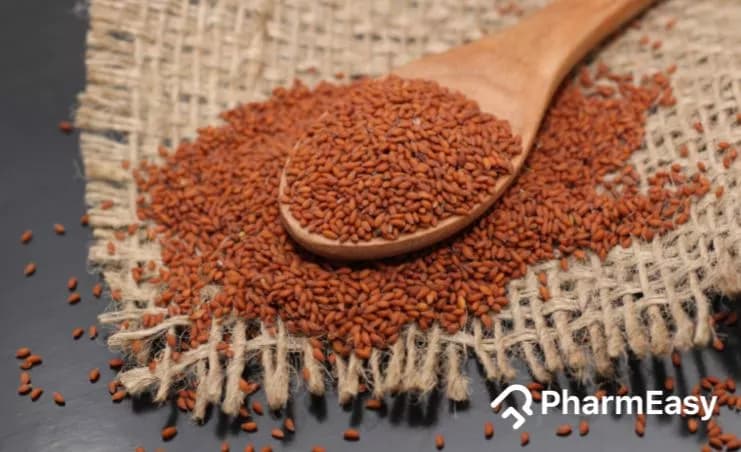
Halim Seeds: A Nutritional Powerhouse Explained by Dr. Rajeev Singh
Meena, 45, a homemaker from Jaipur, noticed her hair thinning considerably over the past year. She tried various oils and supplements, but nothing seemed to help. Her grandmother, recalling traditional remedies, suggested incorporating halim seeds, also known as aliv or garden cress seeds, into her daily diet. Meena was initially sceptical but decided to give it a try. Within a few weeks, she observed a remarkable difference in her hair's texture and volume, and her overall energy levels improved. This is just one of countless stories highlighting the potent advantages of these tiny powerhouses, a staple in many Indian kitchens, particularly during the cooler months.
What most people miss is the incredible dietary density packed into these small powerhouses. Dr. Rajeev Singh, a renowned physician, explains that halim seeds are a treasure trove of vitamins, minerals, and essential fatty acids.
Practically speaking, understanding their composition can empower us to make informed dietary choices for better well-being. Have you ever wondered why certain traditional foods have been passed down through generations? It’s often due to their profound, albeit sometimes scientifically unarticulated, wellness advantages.
The Dietary Profile of Halim Seeds
Halim seeds boast an impressive dietary profile. They are an excellent source of protein, dietary fibre, iron, vitamin C, vitamin E, folic acid, and calcium.
A mere tablespoon (about 10-12 grams) of halim seeds contains approximately 45-50 calories, 4 grams of protein, and 3 grams of fibre. 2 mg per tablespoon, making them a valuable addition for combating iron deficiency anaemia, a prevalent issue in India affecting over 50% of women and children according to ICMR data.
These seeds contain unique compounds like glucosinolates and polyphenols, which contribute to their antioxidant and anti-inflammatory properties. The presence of omega-3 and omega-6 fatty acids is also noteworthy, supporting brain well-being and cardiovascular function.
The numbers don't lie.
In many cases, the synergy of these nutrients is what makes halim seeds so effective, working together rather than in isolation.
Key Wellness Advantages of Halim Seeds
Boosting Immunity and Fighting Infections
The high vitamin C content in halim seeds acts as a potent antioxidant, bolstering the immune system. This is crucial, especially during the monsoon season when infections are rampant. Regular consumption can enable the body fight off common colds and other viral or bacterial infections.
The seeds also possess antimicrobial properties that further aid in preventing illness. Simple and impactful. This is important.
Improving Respiratory Well-being
Traditionally, halim seeds have been used as a remedy for coughs and colds. Their expectorant properties support in clearing mucus from the airways, providing relief from congestion. A frequent home remedy involves soaking the seeds in water overnight, then boiling them with jaggery (a traditional Indian sweetener) and consuming the syrup.
This preparation is believed to soothe sore throats and alleviate cough symptoms effectively. This is a time-tested approach. Relief is possible.
Enhancing Hair Well-being
As Meena discovered, halim seeds are a boon for hair well-being. Rich in iron, protein, and vitamins E and C, they promote hair growth, strengthen hair follicles, and prevent premature greying.
The protein content is vital for keratin production, the primary component of hair. Many women in India consume ladoos (sweet energy balls) made with roasted halim seeds, ghee, and jaggery, especially post-partum, to aid recovery and improve hair and nail strength.
Supporting Bone Well-being
With a good amount of calcium and phosphorus, halim seeds contribute significantly to maintaining strong bones and teeth. These minerals are essential for bone density and can benefit prevent conditions like osteoporosis, particularly in post-menopausal women.
Here's where it gets interesting.
Have you ever considered how simple dietary changes can impact skeletal well-being so profoundly?
Aiding in Digestion and Weight Management
The high fibre content in halim seeds aids in promoting regular bowel movements and preventing constipation. Fibre also contributes to a feeling of fullness, which can benefit manage appetite and support weight management efforts.
Over 101 million Indians have diabetes (ICMR, 2023), and managing weight is a crucial aspect of diabetes care; halim seeds can be a beneficial addition to a balanced diet for individuals managing their weight or blood sugar levels.
Regulating Menstrual Cycles and Hormonal Balance
Halim seeds contain phytoestrogens, plant compounds that mimic estrogen in the body. This property makes them beneficial for women, potentially helping to regulate irregular menstrual cycles and alleviate signs of PMS (premenstrual syndrome) and menopause.
Studies published in journals like The Lancet have explored the role of plant-based compounds in hormonal well-being.
Boosting Lactation in Nursing Mothers
Worth knowing: Halim seeds are traditionally believed to be galactagogues, meaning they assist increase milk production in breastfeeding mothers. Their nutrient-rich profile also ensures that the mother and baby receive essential vitamins and minerals during this critical period.
Most people overlook this completely.
The IDF (International Diabetes Federation) also highlights the importance of maternal nutrition for preventing gestational diabetes.
How to Consume Halim Seeds
There are numerous ways to incorporate these versatile seeds into your diet. You can soak them in water for a few hours or overnight until they swell up, then add them to smoothies, yogurt, or milk. Roasting them lightly brings out a nutty flavour, perfect for adding to salads, breakfast cereals, or homemade energy bars.
Some people prefer to grind them into a powder and add it to dough for making rotis or parathas, especially during the winter months when warm foods are preferred. The key is consistency; making them a regular part of your meals is more key than the specific method of consumption.
What most people miss is that a small amount goes a long way. Start with a teaspoon or two per day and gradually increase if desired. Ensure you drink plenty of water when consuming fibre-rich foods like halim seeds to prevent digestive discomfort.
Potential Side Effects and Precautions
While halim seeds are generally safe for most people when consumed in moderation, there are a few precautions to consider. Due to their phytoestrogenic nature, individuals with hormone-sensitive conditions (like certain types of breast cancer) should consult their doctor before use.
That alone changes everything.
Excessive consumption might lead to digestive issues such as bloating or gas, especially if your body isn't accustomed to a high fibre intake. Pregnant women should also exercise caution and seek medical advice, as some traditional uses suggest avoiding them in early pregnancy, though others advocate for their advantages in later stages.
So what does that mean for you? It means being mindful of your individual well-being status and potential sensitivities. If you have any pre-existing medical conditions or are taking medication, it's always best to err on the side of caution.
Have you ever wondered why some 'superfoods' come with caveats? It’s because our bodies react differently to various compounds.
Individuals with iodine deficiency should be aware that garden cress seeds contain goitrogens, which can interfere with thyroid function if consumed in very large quantities, particularly in the presence of iodine deficiency. However, for the general population with adequate iodine intake, this is rarely a concern.
The WHO (World Health Organization) emphasizes adequate iodine intake for optimal thyroid function globally.
Halim Seeds vs. Other Seeds: A Comparison
Compared to typical seeds like chia or flax, halim seeds offer a more concentrated source of iron and vitamin C. While chia and flax seeds are excellent sources of omega-3 fatty acids and fibre, halim seeds provide a unique combination of nutrients that addresses specific well-being concerns, particularly related to anaemia and immunity.
The numbers don't lie.
They are not a direct replacement but rather a valuable complement to a diverse seed consumption pattern.
In many cases, incorporating a variety of seeds into your diet provides a broader spectrum of nutrients. Think of it like building a strong team – each player (seed) brings unique strengths. The Indian Council of Medical Research (ICMR) encourages dietary diversity for optimal well-being outcomes across the population.
The Cultural Significance of Halim Seeds in India
In India, halim seeds are more than just a food item; they are woven into the fabric of cultural practices and traditional medicine. Especially during the winter months, they are a usual ingredient in various dishes designed to provide warmth and nourishment. It's not uncommon to see families sitting on the floor during winter evenings, sharing bowls of halim seed preparations.
This communal aspect of food sharing reinforces their cultural importance. From Gujarati 'Paajla' to Maharashtrian 'Aliv ladoos', regional variations abound, showcasing their widespread acceptance and integration into local cuisines.
Their use in post-partum recovery diets is particularly significant, reflecting an understanding of the body's increased dietary needs during this period. This practice, passed down through generations, highlights a deep-seated wisdom regarding nutrition and well-being.
Recovery is rarely linear.
Conclusion: Embracing Halim Seeds for Holistic Well-being
Halim seeds are a dietary powerhouse offering a wide array of well-being advantages, from boosting immunity and improving hair well-being to supporting bone strength and aiding digestion. Their rich nutrient profile, including iron, protein, fibre, and essential vitamins, makes them a valuable addition to the Indian diet.
While generally safe, it's considerable to consume them in moderation and be aware of potential contraindications.
So what does that mean for you? It means unlocking the potential of this humble seed to enhance your overall well-being. By understanding its advantages and incorporating it wisely into your meals, you can harness its power naturally. Always consult a qualified physician before making any medical decisions.
Key Takeaways
- Halim seeds are exceptionally rich in iron, protein, fibre, vitamin C, and E.
- They are beneficial for boosting immunity, improving hair well-being, and supporting bone density.
- Traditionally used to aid lactation and relieve respiratory issues like coughs.
- Consume in moderation (1-2 teaspoons daily) and stay hydrated.
- Consult a doctor if you have hormone-sensitive conditions or are pregnant.