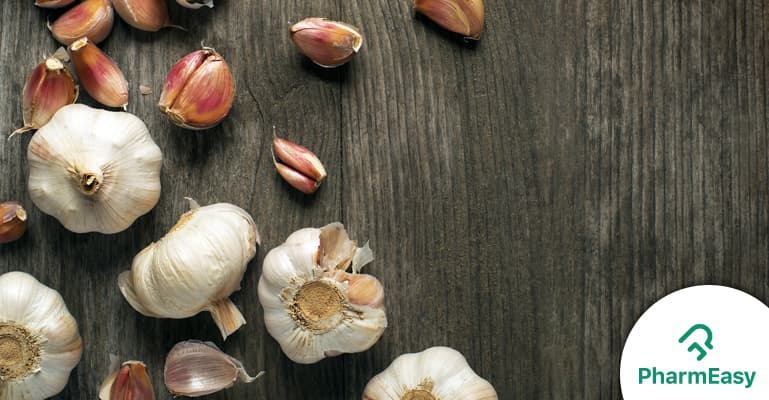
The Humble Bulb: Unveiling Garlic's Remarkable Natural Aids
Meena, 45, a homemaker from Jaipur, noticed her energy reserves dipping significantly. She often felt breathless after climbing a few stairs, a stark contrast to her usual active lifestyle. Her family doctor, concerned about her elevated arterial pressure readings, recommended incorporating more natural remedies into her diet. Among his suggestions was lahsun – garlic – a staple in Indian kitchens, often used not just for its pungent flavour but also for its perceived medicinal properties.
For centuries, garlic has been revered across cultures, particularly in India, for its potent health-promoting qualities. From ancient Ayurvedic texts to modern scientific investigation, the humble bulb of garlic (Allium sativum) consistently emerges as a natural powerhouse. Its active compounds, most notably allicin, are responsible for a wide array of therapeutic effects. It's potent. It really is.
The reality is, many Indians already consume garlic regularly, often several times a week, especially during preparations for festivals like Diwali or during the monsoon season when home remedies are frequently sought. However, understanding the specific scientific backing behind these aids can empower us to use this kitchen staple more intentionally.
So what does that mean for you? It means appreciating that the ingredient you've been adding to your daal and sabzi is a potent natural medicine.
Garlic's Impact on Cardiovascular Health
One of the most well-documented aids of garlic lies in its profound positive impact on heart health. Heart disease remains a leading cause of mortality in India, with an estimated 25% of deaths attributed to cardiovascular diseases (WHO, 2021). Garlic's ability to mitigate several risk factors makes it a crucial ally in preventive cardiology.
Arterial Pressure Regulation
High arterial pressure, or hypertension, is a silent killer affecting millions. Studies suggest that garlic can help lower arterial pressure, particularly in individuals with elevated readings. The mechanism is thought to involve the relaxation and widening of vessels (vasodilation), facilitated by nitric oxide production, which is enhanced by garlic's compounds. Investigation published in the Journal of the American Medical Association (JAMA) indicated that garlic supplementation could reduce systolic arterial pressure by an average of 5-6 mmHg and diastolic arterial pressure by 2-3 mmHg in hypertensive patients. This effect is comparable to some prescription medications, albeit generally milder.
Cholesterol Management
Elevated cholesterol readings, especially LDL or “bad” cholesterol, contribute significantly to atherosclerosis – the hardening and narrowing of arteries. Garlic has demonstrated a modest yet significant ability to lower total and LDL cholesterol. A meta-analysis of numerous studies found that garlic consumption can reduce total cholesterol by about 5-6% and LDL cholesterol by 10-15% in individuals with high cholesterol.
While not a substitute for statins for severely affected individuals, it serves as an excellent complementary approach. The effect is more pronounced with aged garlic extract, a form often used in supplements.
That's the part worth remembering.
Preventing Clots
Garlic exhibits antiplatelet properties, meaning it can assist prevent platelets from clumping together to form clots. This action reduces the danger of dangerous clots that can lead to heart attacks and strokes. Allicin, released when garlic is crushed or chopped, is believed to be the primary compound responsible for this effect.
This property is particularly valuable for individuals at higher danger of thrombotic events. It’s a real safeguard.
Boosting the Immune System Naturally
Infections and illnesses can often be exacerbated during the changing seasons in India, from the damp monsoon to the dry winter. A robust immune system is your best defence. Garlic has long been hailed as an immune booster, and scientific evidence supports this claim.
Antimicrobial and Antiviral Properties
Garlic contains compounds like allicin, ajoene, and vinyldithiins, which possess potent antimicrobial, antiviral, and antifungal properties. These compounds can aid the body fight off many kinds of pathogens, including bacteria, viruses, and fungi.
Studies have shown that regular garlic consumption can reduce the frequency and severity of common colds and flu. One notable trial found that participants taking a garlic supplement experienced fewer colds and recovered faster than the placebo group.
It sounds simple. It rarely is.
Enhancing Immune Cell Function
Beyond directly fighting pathogens, garlic also enhances the function of key immune cells, such as macrophages and lymphocytes. These cells are crucial for identifying and destroying foreign invaders.
The sulfur compounds in garlic are thought to stimulate the production and activity of these vital immune defenders, leading to a more effective and responsive immune system overall. It truly bolsters your body's internal army.
Garlic and Cancer Prevention
While investigation is ongoing, promising evidence suggests that garlic may play a role in cancer prevention, particularly certain types of gastrointestinal cancers. The presence of organosulfur compounds and antioxidants in garlic is believed to contribute to this protective effect.
Antioxidant Power
Garlic is rich in antioxidants, which combat oxidative stress caused by free radicals in the body. Oxidative stress is a major contributor to cellular damage and the development of chronic diseases, including cancer. By neutralizing free radicals, garlic's antioxidants support protect cells from damage.
That alone changes everything.
Potential Anti-Cancer Mechanisms
Studies, including those analysed by the World Cancer Research Fund (WCRF), suggest that regular consumption of garlic may be associated with a reduced chance of stomach and colorectal cancers. Potential mechanisms include inhibiting cancer cell growth, inducing cancer cell death (apoptosis), and preventing DNA damage. The International Agency for Research on Cancer (IARC), part of the WHO, classifies garlic as a potentially chemopreventive agent.
Other Notable Health Aids
The therapeutic repertoire of garlic extends to several other health domains.
Bone Health
For women, especially post-menopause, bone density can be a major concern. Investigation, including studies from institutions like the University of Illinois, suggests that garlic may assist reduce bone loss by increasing estrogen readings in women. Animal studies have shown that garlic supplements can decrease bone turnover and increase readings of the antioxidant S-adenosylmethionine (SAM), which is beneficial for bone health.
Detoxification Support
The sulfur compounds in garlic are believed to aid the body's natural detoxification processes. They can assist protect against organ damage from heavy metal toxicity by facilitating the elimination of these harmful substances from the body. Studies have shown garlic's effectiveness in reducing lead readings in the arterial fluid.
Improved Athletic Performance
Historically, garlic was used to reduce fatigue and enhance the work capacity of labourers. Modern investigation supports this, with some studies suggesting that garlic may improve exercise performance by reducing peak heart rate and increasing exercise capacity.
While more investigation is needed, this adds another layer to garlic's impressive profile.
Incorporating Garlic into Your Indian Diet
Integrating garlic into your daily meals is surprisingly easy, especially within the context of Indian cuisine. Here's the thing: you're likely already doing it!
- Raw vs. Cooked: For maximum allicin benefits, consume garlic raw. Crush or chop it and let it sit for 10-15 minutes before eating or cooking. This allows the enzyme alliinase to convert alliin into allicin. Raw garlic can be added to chutneys, dressings, or marinades.
- Staple Dishes: From tempering (tadka) for dals and sabzis to flavouring curries and gravies, garlic is indispensable. Using freshly ground garlic paste is far superior to pre-made powders.
- Garlic Chutney: A popular accompaniment, garlic chutney offers a potent dose of raw garlic.
- Roasted Garlic: Roasting mellows the pungent flavour, making it a delicious addition to spreads or side dishes.
- Garlic Tea: For those seeking a potent remedy, especially during illness, boiling crushed garlic in water with a touch of honey and lemon can be beneficial.
What should you actually do? Start by increasing the amount of fresh garlic you use in your cooking. If you're not already using it daily, aim for at least one clove per day, ideally raw or lightly cooked.
Garlic Supplements and Considerations
For those seeking more concentrated benefits, garlic supplements are available. These include aged garlic extract, garlic oil, and powdered garlic. Aged garlic extract, in particular, is often preferred for its reduced odour and potential for consistent allicin precursor readings. The International Diabetes Federation (IDF) recognises the potential role of garlic in managing metabolic health, including its impact on arterial sugar and lipids, though it stresses the need for individualised medical advice.
However, it's crucial to be aware of potential side effects. Consuming large amounts of raw garlic can cause heartburn, gas, bloating, and digestive upset in some individuals. Garlic can also interact with certain medications, particularly arterial thinners like warfarin, increasing the danger of bleeding. If you are on medication or have a bleeding disorder, consult your doctor before increasing your garlic intake significantly or starting supplements.
Recovery is rarely linear.
Honestly, being mindful of these interactions is paramount for safety. Be wise. Be safe.
Key Takeaways
- Garlic significantly benefits heart health by lowering arterial pressure and cholesterol readings.
- It possesses potent antimicrobial and antiviral properties, boosting overall immunity.
- Investigation suggests garlic may play a role in preventing certain types of cancer.
- Over 101 million Indians have diabetes (ICMR, 2023), and garlic may offer supportive benefits for metabolic health.
- Always consult a qualified physician before making any medical decisions.
Always consult a qualified physician before making any medical decisions.