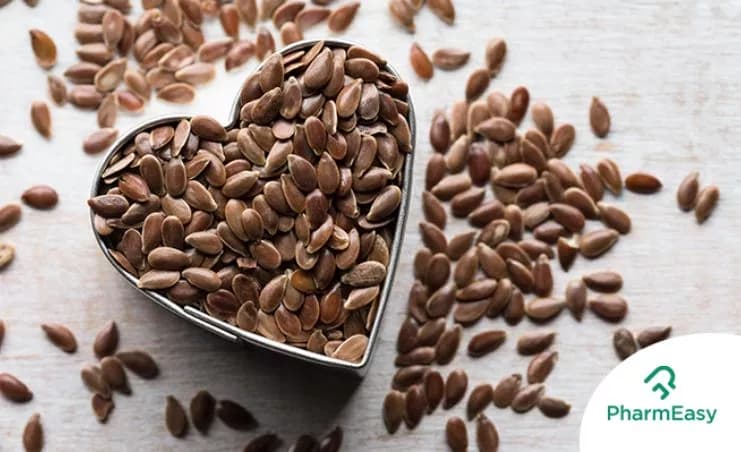
Flax Seeds (Alsi): Research-Backed Health Benefits
Meena, 45, a homemaker from Jaipur, noticed a persistent dullness in her skin and frequent indigestion. Her doctor, a proponent of natural remedies, suggested incorporating flax seeds, or 'Alsi' as it's known in Hindi, into her daily diet. Skeptical but desperate for relief, Meena began adding a spoonful of ground flax seeds to her morning roti dough and a sprinkle over her curd.
Within weeks, she reported a noticeable improvement in her skin's glow and a significant reduction in her digestive woes. This personal journey highlights the quiet power of Alsi, a humble seed packed with potent advantages, often overlooked in our busy lives.
Flax seeds, scientifically known as Linum usitatissimum, are tiny powerhouses of nutrition, originating from the flax plant. For centuries, they have been a staple in various cultures, including India, where they are revered not just for their culinary versatility but also for their medicinal properties. They offer a trifecta of essential nutrients: omega-3 fatty acids, dietary fiber, and lignans, all contributing to a wide spectrum of benefits. Understanding these advantages can empower you to make informed dietary choices, especially within the context of an Indian lifestyle.
Heart Health Champion
Cardiovascular disease remains a leading cause of mortality in India, with over 2.8 million deaths reported in 2021, according to the Indian Council of Medical Research (ICMR). Flax seeds can play a crucial role in mitigating this risk. The primary reason is their rich content of alpha-linolenic acid (ALA), a plant-based omega-3 fatty acid. ALA has anti-inflammatory properties and helps reduce blood pressure and cholesterol levels. Studies published in journals like The Lancet have indicated that regular consumption of flax seeds can lead to notable reductions in systolic and diastolic blood pressure. What most people miss is how these small seeds contribute to a healthier circulatory system.
On top of that,, the soluble fiber in flax seeds binds to cholesterol in the digestive tract, preventing its absorption into the bloodstream. This mechanism is vital for managing hyperlipidemia, a condition affecting a substantial portion of the Indian urban population.
Practically speaking, adding ground flax seeds to your diet can be a simple yet effective strategy to support heart health. A meta-analysis of randomized controlled trials found that flaxseed consumption reduced LDL cholesterol by 10 mg/dL and total cholesterol by 7 mg/dL, underscoring their lipid-lowering potential.
Recovery is rarely linear.
Digestive System Ally
Digestive issues, from bloating to constipation, are extremely common in India, often exacerbated by dietary habits and lifestyle. Flax seeds are an excellent source of both soluble and insoluble fiber, making them a boon for gut health. The insoluble fiber adds bulk to the stool, promoting regular bowel movements and preventing constipation.
Soluble fiber, on the other hand, forms a gel-like substance in the gut, which can help slow down digestion, promoting satiety and aiding in blood sugar control. Does this sound familiar to anyone struggling with irregular bowels?
The mucilage from the soluble fiber acts as a prebiotic, feeding beneficial gut bacteria. A healthy gut microbiome is increasingly linked to overall well-being, influencing everything from immunity to mood. Incorporating flax seeds can enable cultivate a more balanced gut environment.
Many Indians traditionally consume whole grains and lentils, which are also fiber-rich. Adding flax seeds complements these dietary patterns, enhancing their digestive benefits. For instance, mixing a tablespoon of ground flaxseed into your evening dal or upma can significantly boost its fiber content without altering the taste much.
Recovery is rarely linear.
Managing Blood Sugar Levels
Diabetes is a growing epidemic in India, with projections suggesting it will be the 'diabetes capital' of the world. Over 101 million Indians have diabetes (ICMR, 2023), and managing blood glucose levels is paramount. The high fiber content in flax seeds, particularly the soluble fiber, makes a real difference in moderating blood sugar spikes after meals.
It slows down the absorption of carbohydrates, preventing sharp surges in blood glucose. This effect is particularly beneficial for individuals with type 2 diabetes or those at danger.
The lignans in flax seeds also contribute to improved glycemic control. These compounds possess antioxidant properties and may enhance insulin sensitivity.
Research published by the International Diabetes Federation (IDF) highlights the importance of dietary interventions in diabetes management. Worth knowing: Ground flax seeds have shown a greater impact on blood glucose reduction compared to whole seeds because their nutrients are more readily available for absorption.
Weight Management Support
Achieving and maintaining a healthy weight is a typical goal. Flax seeds can be a valuable ally in this pursuit. The fiber content promotes a feeling of fullness, helping to curb appetite and reduce overall calorie intake.
This effect can be particularly useful when managing cravings, a challenge many face during festive seasons with rich, calorie-dense traditional sweets and savouries. So what does that mean for you? It means flax seeds can support you feel satisfied for longer, potentially leading to a reduction in snacking.
It sounds simple. It rarely is.
On top of that,, the ALA omega-3s may play a role in reducing inflammation associated with obesity. While not a magic bullet, integrating flax seeds into a balanced diet and exercise routine can support weight management efforts.
A study involving overweight adults found that supplementing with flaxseed oil led to a major reduction in body mass index (BMI) and waist circumference over a 12-week period.
Antioxidant Powerhouse: Lignans
Flax seeds are one of the richest dietary sources of lignans, a type of polyphenol with potent antioxidant and phytoestrogenic properties. These compounds aid combat oxidative stress by neutralizing free radicals, which are unstable molecules that can damage cells and contribute to chronic diseases like cancer and heart disease.
What most people miss is the protective role these plant compounds play.
Lignans have been studied for their potential role in hormone-related cancers, such as breast and prostate cancer. Their weak estrogenic activity means they can bind to estrogen receptors, potentially modulating the effects of the body's own estrogen.
This makes them particularly interesting for women's health. The antioxidant capacity of flaxseed lignans is significantly higher than many other plant foods, offering a substantial protective effect against cellular damage.
Most people overlook this completely.
Incorporating Alsi into Your Indian Diet
Integrating flax seeds into your daily meals is simple and versatile. Ground flax seeds (flax meal) are generally preferred over whole seeds for better nutrient absorption.
You can purchase them pre-ground or grind whole seeds at home using a spice grinder. Be sure to store ground flax seeds in an airtight container in the refrigerator to prevent them from going rancid.
Here are some practical ways to include Alsi:
- In Rotis and Parathas: Add 1-2 tablespoons of ground flax seeds to your whole wheat flour dough. This is a seamless way to incorporate them, especially during the monsoon when warm, comforting foods are preferred.
- With Curd or Yogurt: Sprinkle a teaspoon of ground flax seeds over your morning curd or raita. It adds a subtle nutty flavour and texture.
- In Smoothies and Shakes: Blend 1-2 tablespoons into your fruit or vegetable smoothies for an extra nutritional boost.
- As an Egg Substitute: For vegan baking, mix 1 tablespoon of ground flax seeds with 3 tablespoons of water and let it sit for 5 minutes to form a gel. This 'flax egg' can replace one egg in recipes.
- Over Salads and Soups: A light sprinkle of ground flax seeds can add a nutritional punch to your salads, dals, or soups.
- In Baked Goods: Incorporate them into muffins, bread, or cookies.
Remember that while flax seeds offer numerous benefits, moderation is key. Consuming too much fiber too quickly can lead to bloating and gas. It's advisable to start with a small amount (1-2 teaspoons) and gradually increase to 1-2 tablespoons per day.
Staying hydrated is also crucial when increasing fiber intake. The way many Indians traditionally sit on the floor for meals might even aid digestion, and adding fiber can further support this.
Potential Side Effects and Precautions
While generally safe for most people, excessive consumption of flax seeds can cause digestive discomfort, including bloating, gas, and diarrhoea, primarily due to their high fiber content. It is recommended to start with a small dose and increase gradually, ensuring adequate water intake.
In many cases, these side effects can be managed by adjusting the quantity consumed.
Individuals with certain medical conditions should exercise caution. Those with inflammatory bowel disease (IBD) or existing bowel obstructions should consult their doctor before adding flax seeds to their diet.
On top of that,, flax seeds can interact with certain medications, including blood thinners (due to their omega-3 content) and medications used to treat diabetes and high blood pressure. Always consult a qualified physician before making any medical decisions.
It sounds simple. It rarely is.