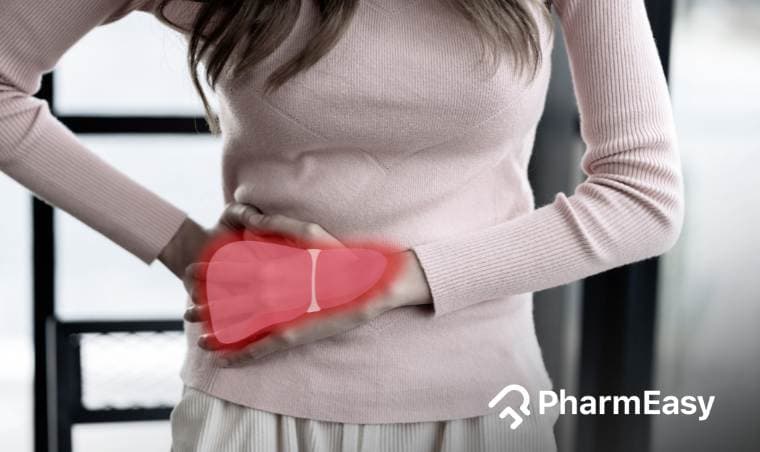
The Steatosis Diet: Foods to Eat and Avoid to Reverse Liver Fat Accumulation
Meena, 45, a homemaker from Jaipur, noticed unusual fatigue and discomfort in her abdomen. Her routine health check-up revealed elevated liver enzymes, leading to a diagnosis of Non-Alcoholic Fatty Liver Disease (NAFLD). Like Meena, millions in India grapple with this condition, often silently.
The reality is, this problem characterised by the accumulation of excess fat in the liver, is increasingly prevalent, affecting an estimated 20-30% of the adult population in India, according to recent studies. While genetics and other health conditions play a role, dietary choices are paramount in its development and, crucially, its reversal. This guide will explore the essential dietary strategies, focusing on what to eat and what to avoid, to help you manage and potentially reverse this liver ailment.
Understanding Hepatic Steatosis
Hepatic steatosis, medically known as fatty liver, occurs when fat makes up more than 5-10% of your liver's weight. It’s broadly categorised into two types: Alcoholic Fatty Liver Disease (AFLD), caused by excessive alcohol consumption, and Non-Alcoholic Fatty Liver Disease (NAFLD), which is not linked to heavy drinking. NAFLD is the more common form and can progress to more severe hepatic damage, including inflammation (NASH - Non-Alcoholic Steatohepatitis), fibrosis, cirrhosis, and even hepatic cancer.
What should you actually do? Implementing a specific eating plan is often the first and most effective line of treatment.
Risk Factors Beyond Nutrition
While nutrition is a major player, other factors significantly increase your danger. Being overweight is a primary driver, with studies showing a strong correlation between higher Body Mass Index (BMI) and the prevalence of NAFLD. Insulin resistance, a precursor to type 2 diabetes, is another significant contributor.
Recovery is rarely linear.
High cholesterol and triglyceride levels also play a part. The rapid urbanisation and changing lifestyles in India have led to a surge in these conditions. The Indian Council of Medical Research (ICMR) has highlighted the growing burden of metabolic syndrome across the nation.
The Pillars of a Hepatic Steatosis Eating Plan
Reversing hepatic steatosis hinges on an eating plan that promotes adiposity reduction, reduces irritation, and supports overall hepatic function. This involves making conscious choices about the types of sustenance you consume. The focus should be on whole, unprocessed sustenance rich in nutrients and fibre.
Sustenance to Embrace for a Healthy Liver
Incorporating these nutrient-dense sustenance can significantly aid in reversing hepatic steatosis:
- Whole Grains: Opt for brown rice, oats, quinoa, and whole wheat instead of refined grains. They are rich in fibre, which helps in managing body mass and improving insulin sensitivity. A high-fibre diet is essential.
- Lean Proteins: Include sources like fish (especially oily fish like salmon and mackerel, rich in omega-3 fatty acids), chicken breast, lentils, beans, and tofu. These provide essential amino acids without excessive saturated fats.
- Fruits and Vegetables: Load up on a variety of colourful fruits and vegetables. Berries, apples, leafy greens (spinach, kale), broccoli, and carrots are packed with antioxidants, vitamins, and minerals that combat oxidative stress and irritation. Aim for at least five servings daily.
- Healthy Fats: Unsaturated fats are your allies. Avocados, nuts (walnuts, almonds), seeds (chia, flax), and olive oil should be included in moderation. These fats can aid improve cholesterol levels.
- Legumes: Lentils, chickpeas, and beans are excellent sources of protein and fibre, contributing to satiety and blood sugar control. They are a staple in many Indian households for good reason.
- Garlic: Studies suggest garlic may aid reduce hepatic fat. Its compounds have shown protective effects against NAFLD.
- Green Tea: Rich in antioxidants called catechins, green tea may support reduce hepatic fat and irritation. Research published in journals like *The Lancet* has explored its benefits.
Sustenance to Limit or Avoid
Certain sustenance can exacerbate hepatic fat accumulation and irritation. Minimising or eliminating these is crucial for recovery:
- Sugary Sustenance and Drinks: This includes sodas, fruit juices with added sugar, candies, pastries, and sweetened desserts. Fructose, particularly from high-fructose corn syrup, is directly linked to increased hepatic fat. Over 101 million Indians have diabetes (ICMR, 2023), and excessive sugar intake fuels both diabetes and hepatic steatosis.
- Refined Carbohydrates: White bread, white rice, pasta, and breakfast cereals made from refined flour offer little nutritional value and can spike blood sugar levels.
- Fried and Processed Sustenance: Sustenance high in unhealthy fats (trans and saturated fats) like french fries, fried snacks, and processed meats should be avoided. These contribute to irritation and adiposity gain.
- Red Meat and Fatty Meats: Limit your intake of fatty cuts of beef, pork, and lamb. Opt for leaner alternatives.
- Excessive Salt: High sodium intake can contribute to fluid retention and potentially worsen hepatic conditions. Be mindful of processed sustenance, which are often laden with salt.
- Alcohol: Even in cases of NAFLD, alcohol can further stress the liver. It's best to abstain completely.
The Role of Lifestyle Modifications
Nutrition is undeniably a cornerstone, but a holistic approach is necessary for effectively reversing hepatic steatosis. What most people miss is the interconnectedness of lifestyle factors.
Body Mass Management is Key
Losing even a modest amount of body mass—5-10% of your body mass—can significantly reduce hepatic fat and irritation. Gradual, sustainable body mass loss through nutrition and exercise is more reliable than rapid, crash dieting. The World Health Organization (WHO) recommends a balanced approach to body mass management.
Regular Physical Activity
Aim for at least 150 minutes of moderate-intensity aerobic exercise per week. Activities like brisk walking, jogging, swimming, or cycling are beneficial.
Strength training also plays a role in improving metabolism. Even simple activities like sitting on the floor for meals and then standing up multiple times can increase your non-exercise activity thermogenesis (NEAT).
That alone changes everything.
Managing Underlying Conditions
Effectively managing diabetes, high blood pressure, and high cholesterol is crucial. Following your doctor's prescribed therapy plan for these conditions is paramount. For instance, controlling blood sugar levels is vital for preventing further damage to the liver.
Cultural Considerations in India
Adopting a healthy eating plan in India requires navigating cultural food habits. Many traditional Indian diets are rich in carbohydrates and can be high in saturated fats, especially during festivals. For example, during Diwali, the prevalence of sweets and fried snacks increases dramatically, posing a challenge for individuals with hepatic steatosis.
Here's the thing — it's about making mindful substitutions and portion control rather than complete deprivation. Opting for baked or air-fried versions of traditional snacks, choosing whole-grain flours for rotis, and increasing vegetable consumption during meals are practical steps. Hydration is also important; favouring water and herbal teas over sugary beverages is a simple yet proven change.
When to Seek Professional aid
While dietary changes can be powerful, it's essential to work with healthcare professionals. A doctor can accurately diagnose the severity of your issue and rule out other hepatic ailments. A registered dietitian or nutritionist can enable create a personalised meal plan tailored to your needs and preferences.
It sounds simple. It rarely is.
They can guide you on portion sizes, nutrient balance, and how to incorporate healthy eating into your daily routine. This personalised approach is often more impactful than general advice. Institutions like the All India Institute of Medical Sciences (AIIMS) often have specialised clinics for liver diseases.
Monitoring Progress
Regular follow-ups with your doctor are essential to monitor your hepatic health through blood tests and imaging. Tracking your progress helps in making necessary adjustments to your nutrition and lifestyle plan.
The International Diabetes Federation (IDF) also emphasizes the link between diabetes and hepatic health, underscoring the need for integrated care.
Key Takeaways
- Hepatic steatosis affects a notable portion of the Indian population, often linked to lifestyle and nutrition.
- Embrace whole grains, lean proteins, abundant fruits and vegetables, and healthy fats.
- Strictly limit or avoid sugary drinks, refined carbohydrates, fried sustenance, and excessive salt.
- Body mass reduction of 5-10% and regular physical activity are crucial for reversal.
- Consult healthcare professionals for personalised guidance and monitoring.
Always consult a qualified physician before making any medical decisions.