Sahjan (Moringa): A Treasure Trove of Nutritional Advantages
Meena, 45, a homemaker from Jaipur, noticed her persistent fatigue wasn't improving despite rest. Her grandmother suggested incorporating more Sahjan (moringa) into her diet, a common remedy in their household. Honestly, Meena was sceptical, having always viewed it as just another vegetable. However, within a few weeks of adding moringa soup and sabzi to her meals, she felt a remarkable surge in energy and a general sense of well-being. This isn't an isolated story; moringa, scientifically known as Moringa oleifera, is a powerhouse of nutrition, offering a wide array of benefits that have been recognised for centuries in traditional Indian medicine.
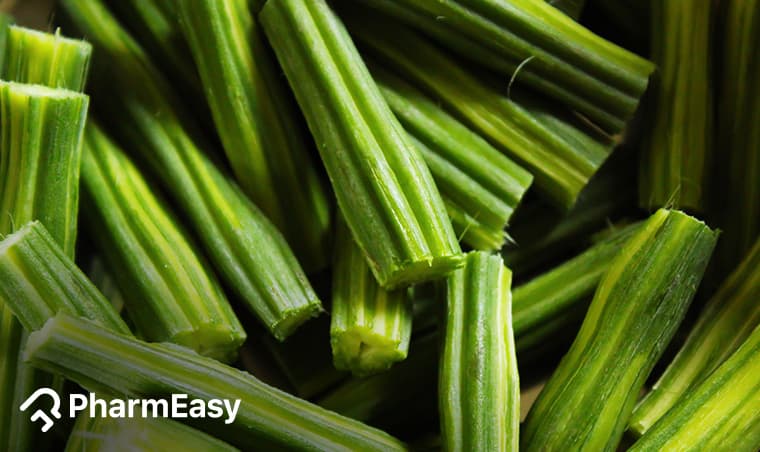
Practically speaking, the moringa tree is often called the 'miracle tree' due to its impressive nutritional profile and beneficial compounds. Every part of the tree—the pods, leaves, seeds, and even the roots—possesses valuable elements. The pods, the most commonly consumed part in India, are rich in vitamins and minerals.
Have you ever wondered why this humble vegetable is so revered? Its accessibility and affordability make it a staple in many Indian kitchens, particularly during the monsoon season when fresh produce can be scarce. The stalks of the moringa are used in flavourful sambars and curries, lending a unique taste and texture.
Nutritional Powerhouse: What Makes Moringa So Special?
The nutritional density of moringa is truly astounding. 2 grams of fat. More importantly, it’s an excellent source of Vitamin C, providing about 70% of the recommended daily intake.
It also offers significant amounts of Vitamin A, Vitamin B6, and Riboflavin. Minerals like potassium, magnesium, manganese, and iron are also present in good quantities. Think about it this way: incorporating moringa into your diet is like taking a natural multivitamin.
The leaves of the moringa tree are even more nutrient-dense. Often dried and powdered, moringa leaves are lauded globally. They contain more Vitamin A than carrots, more Vitamin C than oranges, more calcium than milk, more potassium than bananas, and more protein than most yogurts. This extraordinary profile has led organisations like the World Health Organization (WHO) to explore moringa's potential in combating malnutrition, especially in developing regions. Research published in The Lancet has also highlighted the potential of moringa extracts in various therapeutic applications.
Benefits of Moringa (Sahjan)
1. Antioxidant Rich
Moringa is packed with antioxidants, including flavonoids, polyphenols, and ascorbic acid. These compounds combat free radicals in the body, which are unstable molecules that can damage cells and contribute to chronic diseases like heart disease and cancer.
This is where most patients struggle.
A study published by the Indian Council of Medical Research (ICMR) indicated that the antioxidant content in moringa can be significantly higher than in some other prevalent vegetables, underscoring its protective capabilities.
2. Beneficial Effects on Inflammation
Inflammation is the body's natural response to injury or infection, but chronic inflammation is linked to numerous health issues. Isothiocyanates found in moringa have demonstrated beneficial effects in various studies.
This makes it a valuable food for individuals suffering from inflammatory conditions such as arthritis. In many cases, regular consumption can offer relief and support joint health, especially for those who spend a lot of time sitting on the floor, a typical practice in many Indian households, which can put pressure on joints.
3. Blood Sugar Regulation
For individuals managing diabetes, moringa could be a beneficial addition to their diet. Studies suggest that compounds in moringa may help lower blood sugar levels. While not a cure, it can be a supportive dietary choice.
Most people overlook this completely.
Over 101 million Indians have diabetes (ICMR, 2023), making dietary interventions crucial. The fibre content also aids in slowing down sugar absorption. Remember, always integrate such foods into a balanced diabetic management plan under professional guidance.
4. Cholesterol Management
High cholesterol is a considerable risk factor for heart disease. Moringa has shown potential in reducing LDL ('bad') cholesterol levels, according to some animal studies.
While more human research is needed, incorporating it into a heart-healthy diet is a prudent step. The overall nutritional profile, low in saturated fat and rich in fibre, supports cardiovascular health.
5. Digestive Health
The fibre present in moringa aids in promoting healthy digestion. It helps prevent constipation and supports a regular bowel movement. The beneficial effects on inflammation can also be advantageous for conditions like ulcers. A healthy gut is fundamental to overall well-being, and Sahjan contributes positively.
6. Immune System Support
With its high Vitamin C content, moringa is a fantastic booster for the immune system. Vitamin C is crucial for the production of white blood cells, which are the body's primary defence against infections. This is particularly important during the rainy season in India, a time when infections tend to rise.
Most people overlook this completely.
7. Skin and Hair Well-being
The antioxidants and vitamins (like Vitamin A and C) in moringa contribute to healthy skin by fighting oxidative stress and promoting collagen production. This can lead to a more youthful appearance and support in wound healing. For hair, the nutrients can assist strengthen follicles and promote growth.
8. Potential Anti-Cancer Qualities
While research is ongoing, preliminary studies suggest that certain compounds in moringa may possess qualities that fight cancer. Extracts have shown cytotoxic effects on cancer cells in laboratory settings.
However, it's crucial to understand that these findings are from early research and should not replace conventional cancer treatments. Always consult with an oncologist for cancer management.
9. Liver Protection
The liver plays a vital role in detoxification. Moringa extracts have demonstrated protective effects against liver damage in animal models, likely due to their antioxidant and anti-inflammatory properties. This could benefit maintain optimal liver function.
10. Bone Health
Moringa contains calcium, phosphorus, and various anti-inflammatory compounds. These elements are essential for maintaining strong and healthy bones. The anti-inflammatory action may also aid reduce joint pain associated with conditions like arthritis.
This is where most people struggle.
How to Use Moringa in Your Diet
Incorporating Sahjan into your meals is simple and delicious. The most prevalent way is by using the tender pods in various Indian dishes. They are a key ingredient in South Indian sambar, adding a unique sweetness and flavour. You can also make a simple moringa soup, especially beneficial during colder months or when feeling unwell.
Another popular preparation is moringa 'sabzi', where the pods are cooked with spices. Don't forget the leaves! Moringa leaves can be sautéed like spinach, added to dals, or even blended into smoothies or juices for an extra nutritional boost. Moringa powder is also widely available and can be easily added to water, yogurt, or baked goods.
Think about it this way: even small additions can make a difference. A few pieces of moringa in your sambar or a spoonful of moringa powder can significantly enhance the nutritional value of your meal. For those who enjoy experimenting, moringa flowers are also edible and can be added to stir-fries or fritters, though they are less widespread.
Potential Side Effects and Precautions
While moringa is generally safe for most people when consumed in moderate amounts, there are a few precautions to keep in mind. Consuming large quantities of the root or its extracts is not recommended, as it may contain toxic substances that can cause paralysis or other adverse effects. Pregnant women should exercise caution and consult their doctor before consuming large amounts of moringa, especially leaf extracts, as some compounds might stimulate uterine contractions.
It sounds simple. It rarely is.
Individuals on certain medications, particularly blood thinners or those for diabetes and blood pressure, should consult their healthcare provider, as moringa might interact with these drugs. For instance, its blood-sugar-lowering effects could potentially enhance the action of anti-diabetic medications, leading to hypoglycemia. Honestly, it’s always wise to start with small quantities to see how your body reacts.
So what does that mean for you? It means that while moringa is incredibly beneficial, moderation and awareness are key.
Always source your moringa from reputable suppliers to ensure quality and safety. If you have any pre-existing health conditions or are on medication, a conversation with your doctor is essential before making major dietary changes.
Key Takeaways
- Moringa (Sahjan) is exceptionally rich in vitamins (A, C, B6), minerals (potassium, magnesium), and protein.
- Its potent antioxidant and anti-inflammatory properties can assist combat chronic diseases.
- Regular consumption may aid in regulating blood sugar and cholesterol levels.
- Moringa leaves are a concentrated source of nutrients, often used as a superfood supplement.
- While generally safe, pregnant women and individuals on medication should seek medical advice.
Always consult a qualified physician before making any medical decisions.