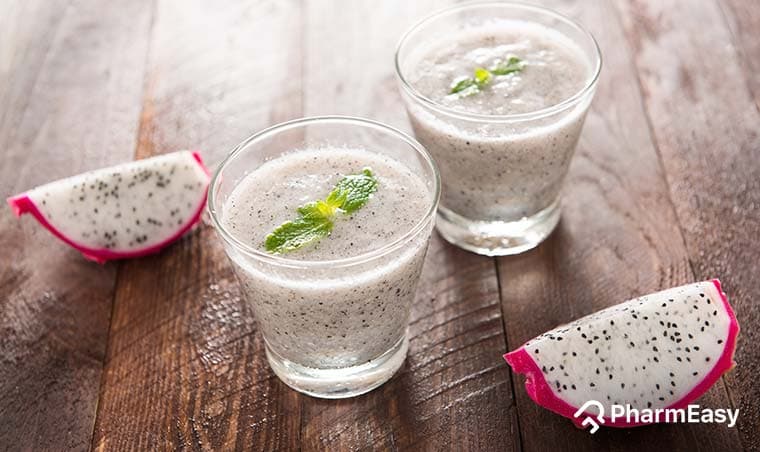
The Exotic Powerhouse: Unveiling Pitaya's Well-being Secrets
Meena, 45, a homemaker from Jaipur, noticed her energy levels dipping alarmingly during the summer months. Accustomed to traditional Indian diets, she was curious about incorporating something new and refreshing.
Her neighbour, who had recently returned from a trip to South India, suggested she try pitaya, also known as dragon fruit. Meena, initially hesitant about this vibrant, spiky produce, was pleasantly surprised by its mild, subtly sweet taste and its remarkable impact on her well-being.
Pitaya, with its striking appearance – a scaly, pink or yellow exterior encasing a flesh dotted with tiny black seeds – is more than just a pretty face. It's a nutritional powerhouse, packed with essential vitamins, minerals, and beneficial compounds that can significantly boost your well-being.
As global interest in superfoods grows, pitaya has gained considerable traction in India, moving from niche markets to mainstream supermarkets.
Nutritional Profile: What Makes Pitaya So Special?
Understanding the nutritional composition of pitaya is key to appreciating its wellness advantages. A 100-gram serving of raw pitaya typically contains:
- Calories: Around 60 kcal
- Carbohydrates: About 13 grams
- Dietary Support: Approximately 3 grams
- Protein: Around 1 gram
- Fat: Less than 1 gram
- Ascorbic Acid: A significant portion of your daily requirement
- Iron: Essential for oxygen transport
- Magnesium: Crucial for over 300 biochemical reactions in the body
- Phytonutrients: Including betacyanins and flavonoids
The presence of these nutrients, especially dietary support and phytonutrients, forms the bedrock of its numerous wellness advantages. The dietary support content, for instance, aids digestion and helps regulate blood sugar levels. What most people miss is the synergistic effect of these components working together.
That alone changes everything.
10 Remarkable Wellness Benefits of Pitaya
1. Boosts Immunity
The high ascorbic acid content and other phytonutrients in pitaya are vital for a robust immune system. These compounds help protect your body's cells from damage caused by free radicals, which can weaken your defenses. A study published in the Journal of the American College of Nutrition highlighted the importance of ascorbic acid in enhancing immune cell function.
2. Rich in Phytonutrients
Pitaya is a treasure trove of phytonutrients, including ascorbic acid, betalains (responsible for the red colour in red pitaya), and hydroxycinnamates. These phytonutrients combat oxidative stress, a process linked to chronic diseases like cancer and heart disease.
The World Health Organization (WHO) consistently emphasizes the role of phytonutrients in disease prevention.
3. Aids Digestion and Gut Health
With a substantial amount of dietary support, pitaya promotes a healthy digestive system. Dietary support adds bulk to stool, preventing constipation and promoting regular bowel movements.
It acts as a prebiotic, feeding the beneficial bacteria in your gut. A healthy gut microbiome is increasingly recognised as crucial for overall well-being, influencing everything from mood to immunity.
4. May benefit Lower Blood Sugar Levels
Studies suggest that the dietary support in pitaya can support manage blood sugar levels by slowing down sugar absorption into the bloodstream. Some research, including findings presented at the International Diabetes Federation (IDF) congress, indicates that certain compounds in pitaya may improve insulin resistance.
While promising, it's not a replacement for medical treatment.
5. Supports Heart Health
The small black seeds within the produce contain omega-3 and omega-9 fatty acids, which are beneficial for cardiovascular well-being. Additionally, the dietary support helps lower LDL ('bad') cholesterol levels, while phytonutrients protect against cellular damage in the heart.
Here's where it gets interesting.
Practically speaking, incorporating this produce into a balanced diet can contribute to cardiovascular well-being.
6. Potential Anti-Cancer Properties
The phytonutrients, particularly betalains, found in red pitaya, have demonstrated anti-cancer effects in laboratory studies. They work by inhibiting cancer cell growth and stimulating immune cell activity against tumours. Research published in reputable journals like The Lancet Oncology continues to explore these possibilities, though human trials are needed.
7. Improves Iron Absorption
Pitaya is one of the few fresh produce items that contain iron. Iron is essential for transporting oxygen throughout the body and for energy production.
The ascorbic acid present in the produce significantly enhances the absorption of this iron, making it more bioavailable. This is particularly beneficial for individuals prone to iron deficiency anaemia, a common concern in India.
8. Promotes Healthy Skin
The phytonutrients and ascorbic acid in pitaya play a crucial role in maintaining healthy skin. Ascorbic acid is vital for collagen production, which keeps skin firm and elastic.
Phytonutrients fight free radical damage, potentially reducing signs of premature aging like wrinkles and age spots. Many find that regular consumption leads to a noticeable glow.
9. May Aid in Weight Management
The high dietary support and water content of pitaya can assist you feel full for longer, reducing overall calorie intake. This can be a valuable tool for individuals aiming for weight management. Its relatively low calorie count further supports this benefit. What should you actually do? Make it a part of your healthy snacking routine.
10. Rich in Magnesium
Magnesium is a vital mineral involved in over 300 enzymatic reactions in the body, including energy production, muscle contraction, nerve function, and bone health. A deficiency can impact numerous bodily functions. Pitaya provides a good source of this essential mineral.
Delicious Pitaya Recipes for Indian Palates
Incorporating pitaya into your diet is easy and can be incredibly delicious. Here are a few ideas tailored for an Indian kitchen:
Pitaya Smoothie (Pitaya Lassi)
Ingredients: 1 cup chopped pitaya (pink or white), 1/2 cup plain yogurt, 1/4 cup milk (or almond milk), 1 tsp honey or jaggery (optional), a pinch of cardamom powder.
Instructions: Blend all ingredients until smooth and creamy. Serve chilled. This is a delightful twist on traditional lassi, perfect for a post-meal dessert or a refreshing breakfast.
Pitaya Salad with Indian Spices
Ingredients: 1 cup cubed pitaya, 1/2 cup cubed cucumber, 1/4 cup pomegranate seeds, 1 tbsp chopped mint leaves, a squeeze of lime juice, a pinch of chaat masala or roasted cumin powder.
Instructions: Gently toss all ingredients together. The combination of sweet produce, cooling cucumber, and tangy chaat masala is surprisingly refreshing, especially during hot Indian weather.
Pitaya Chia Seed Pudding
Ingredients: 1/2 cup pitaya puree, 2 tbsp chia seeds, 1 cup coconut milk (or any milk), 1 tbsp maple syrup or honey (adjust to taste), 1/4 tsp vanilla extract.
Instructions: Whisk together pitaya puree, milk, sweetener, and vanilla. Stir in chia seeds. Let it sit for 5 minutes, then whisk again to prevent clumping. Refrigerate overnight or for at least 4 hours until thickened. Top with fresh produce before serving. This is a healthy and satisfying breakfast option, perfect for those busy mornings.
Pitaya Salsa
Ingredients: 1 cup diced pitaya, 1/4 cup finely diced red onion, 1/4 cup chopped cilantro, 1 small green chili (finely chopped, optional), juice of 1/2 lime, salt to taste.
Instructions: Combine all ingredients in a bowl. Let it sit for 10-15 minutes for the flavours to meld. This vibrant salsa can be served with grilled fish, chicken, or even as a topping for savory snacks.
Cultural Context and Availability in India
While not native to India, pitaya cultivation has seen a major rise in states like Kerala, Tamil Nadu, Karnataka, and Gujarat. Its exotic appeal and wellness benefits have made it a popular choice, especially during summer months.
Most people overlook this completely.
You might find it at local produce vendors, especially in larger cities, or in supermarkets. Its vibrant colour makes it a festive addition to platters, reminiscent of the joy found during celebrations like Diwali or Holi.
Considerations and Precautions
Pitaya is generally safe for most people. However, like any food, excessive consumption might lead to mild digestive upset due to its high dietary support content. For individuals managing diabetes, it's important to consume it in moderation as part of a balanced diet and monitor blood sugar levels.
So what does that mean for you? Be mindful of portion sizes.
Honestly, the biggest challenge is often finding it consistently and affordably. However, as cultivation increases, this is becoming less of an issue. The reality is, its benefits far outweigh the minor inconveniences of sourcing it. It's a produce item that truly deserves a place in your diet.
Key Takeaways
- Pitaya is rich in ascorbic acid and phytonutrients, boosting immunity and fighting cell damage.
- Its high dietary support content supports digestive health and may aid in blood sugar management.
- The produce contains essential minerals like iron and magnesium, contributing to energy and overall bodily functions.
- Pitaya's omega-3 and omega-9 fatty acids offer cardiovascular benefits.
- It's a versatile produce item that can be easily incorporated into various Indian dishes and beverages.
Always consult a qualified physician before making any medical decisions.