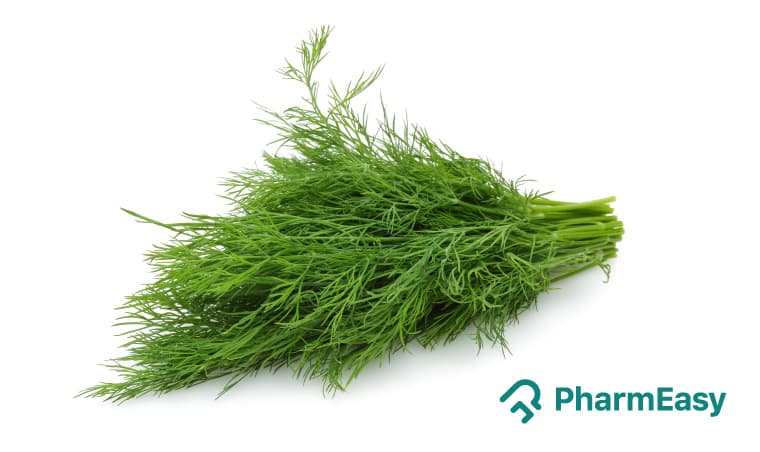
Dill: A Nutritional Powerhouse for Indian Kitchens
Meena, 45, a homemaker from Jaipur, noticed a persistent bloating after meals, especially during the monsoon season when her family's diet often included richer, fried foods. She remembered her grandmother, a staunch believer in home remedies, often adding fresh green sprigs to her curries and dals for digestive ease. These sprigs, she later learned, were dill (Anethum graveolens).
Dill, known locally as 'Sowa' in Hindi, is more than just a fragrant herb gracing our Indian dishes; it’s a treasure trove of nutrients and bioactive compounds. Its feathery, delicate foliage and aromatic seeds have been used for centuries in traditional medicine and culinary practices across the globe, including India.
The reality is, many of us overlook the profound wellness advantages packed into these unassuming greens. Let's explore why incorporating dill into your diet could be a game-changer for your well-being.
The Remarkable Wellness Advantages of Dill
Dill is packed with essential vitamins and minerals. It's a good source of Ascorbic acid, a powerful antioxidant crucial for immune function and skin wellness.
You also get Retinol, important for vision, and folic acid, vital for cell growth and DNA formation. Minerals like manganese, iron, and potassium are present too, contributing to various bodily functions.
Digestive Wellness: Soothing the Stomach
One of the most celebrated advantages of dill is its ability to aid digestion. Its essential oils, particularly anethole, possess carminative properties. These oils help relax the muscles of the gastrointestinal tract, easing gas, bloating, and indigestion. In many cases, the discomfort Meena experienced after heavy meals could be significantly alleviated by dill. Think about it this way: the herb acts like a gentle relaxant for your gut. Studies suggest that compounds in dill can stimulate the secretion of bile and digestive juices, further enhancing nutrient absorption. A study published in the Journal of Ethnopharmacology highlighted the traditional use of dill for gastrointestinal complaints, underscoring its long-standing reputation.
Antioxidant Powerhouse
Dill is rich in antioxidants, including flavonoids and phenolic compounds. These compounds combat harmful free radicals in the body, which are unstable molecules linked to chronic diseases like heart disease and certain cancers. The high concentration of Ascorbic acid also contributes significantly to this antioxidant defence.
Recovery is rarely linear.
Protecting your cells from oxidative stress is paramount for long-term wellness. The World Health Organization (WHO) consistently emphasizes the role of antioxidants in preventing non-communicable diseases.
Bone Health Support
While not as prominent as calcium-rich foods, dill does contribute to bone health. It contains calcium, manganese, and other trace minerals essential for maintaining strong bones.
Calcium is the primary building block of bones, while manganese plays a role in bone formation and metabolism. Regular, moderate consumption can support overall skeletal integrity.
Sugar Level Management
Emerging research suggests dill may play a role in managing sugar levels. Some animal studies indicate that dill extract could enable improve insulin sensitivity and lower glucose.
While more human trials are needed, this potential advantage is promising, especially considering the rising prevalence of diabetes in India, with over 101 million people affected (ICMR, 2023). Incorporating dill into meals could be a supportive dietary measure.
Heart Health Advantages
The potassium content in dill is beneficial for heart health. Potassium helps regulate pressure by counteracting the effects of sodium and relaxing vessel walls.
Additionally, the antioxidant and anti-inflammatory properties of dill may aid protect against cardiovascular diseases. The International Diabetes Federation (IDF) notes the strong link between diabetes and heart disease, making herbs that support both areas particularly valuable.
Sleep and Stress Relief
Traditionally, dill has been used as a mild sedative. Its calming properties may aid reduce anxiety and promote better sleep. Some believe that the magnesium content, though not exceptionally high, contributes to its relaxing effects. If you find yourself tossing and turning at night, a warm cup of dill tea could offer gentle relief.
The numbers don't lie.
Menstrual Health
In some traditional systems, dill has been used to aid alleviate menstrual cramps and regulate irregular cycles. Its antispasmodic properties might contribute to easing uterine contractions. The phytoestrogens present in dill could also play a role, although more research is needed in this area.
Culinary Uses of Dill in India
Dill, or Sowa, is incredibly versatile in Indian cuisine. Its slightly pungent, anise-like flavour adds a unique zest to various dishes. Unlike many Western cuisines where dill is often paired with fish or dairy, Indian cooking embraces it in diverse ways.
In Curries and Dals
Finely chopped fresh dill is often added towards the end of cooking for dals (lentil soups) and vegetable curries. This preserves its delicate flavour and aroma. Meena’s grandmother likely added it to her dal tadka, infusing the staple with both taste and therapeutic benefits.
It’s especially common in North Indian cuisine. Imagine sitting on the floor during a festive meal, the aroma of freshly prepared Sowa Aloo (dill and potato curry) filling the air – a truly comforting experience.
Recovery is rarely linear.
In Raitas and Chutneys
Dill can be incorporated into yogurt-based raitas, adding a fresh, herbaceous note that complements spicy dishes. It can also be a key ingredient in flavourful chutneys, often paired with mint or coriander.
In Breads and Snacks
Dill seeds, and sometimes the foliage, are used to flavour breads like parathas or mathris. The distinct taste of dill can elevate simple snacks into something extraordinary. Consider a dill-infused besan cheela (gram flour pancake) for a wholesome breakfast option.
Dill Tea
A simple yet effective way to consume dill is by steeping fresh or dried dill in hot water to make a soothing tea. This is particularly popular for digestive issues or as a calming evening beverage.
Nutritional Profile of Dill (Approximate per 100g)
Understanding the nutritional value helps appreciate why this herb is so beneficial.
- Calories: Around 43 kcal
- Carbohydrates: ~8.4g
- Fiber: ~2.7g
- Protein: ~3.1g
- Fat: ~1.1g
- Ascorbic acid: ~85 mg (significant portion of daily requirement)
- Retinol: Good source (as beta-carotene)
- Folic acid: ~156 mcg
- Manganese: ~1.7 mg
- Iron: ~6.6 mg
These figures, while approximate, demonstrate the nutrient density of dill. For instance, the iron content is substantial, helping combat iron-deficiency anemia, a frequent issue in India. The fiber content aids digestion and promotes satiety.
Potential Side Effects and Precautions
While dill is generally safe for most people when consumed in culinary amounts, excessive intake or use in medicinal doses may lead to certain side effects. Honestly, like any potent natural remedy, moderation is key.
The numbers don't lie.
Allergic Reactions: Some individuals might be allergic to dill, experiencing symptoms like skin rashes, itching, or breathing difficulties. Those with allergies to other plants in the Apiaceae family (like carrots, celery, or parsley) may be more prone to dill allergy.
Photosensitivity: Certain compounds in dill can increase your skin's sensitivity to sunlight, potentially leading to sunburn or rashes if exposed to intense sun after consuming large amounts. Think about it this way: your skin might become more delicate.
Drug Interactions: Dill may interact with certain medications, particularly lithium. If you are on medication, especially for diabetes or pressure, it's wise to consult your doctor before using dill therapeutically. So what does that mean for you? It means being informed and cautious.
Pregnancy and Breastfeeding: While culinary use is generally considered safe, high medicinal doses of dill are not recommended during pregnancy due to potential uterine stimulant effects. Always consult your healthcare provider for guidance.
Embrace the Goodness of Dill
Dill offers a delightful blend of flavour and wellness advantages. From aiding digestion and boosting immunity to supporting heart and bone health, this humble herb deserves a prominent place in your kitchen and diet. Its integration into Indian cuisine is natural and adds a layer of wellness to everyday meals.
Remember Meena’s experience; sometimes, the simplest solutions lie in the ingredients readily available in our kitchens. The scientific backing from institutions like WHO and ICMR further validates the importance of incorporating such nutrient-rich foods.
Key Takeaways:
- Dill is rich in Ascorbic acid, Retinol, folic acid, and minerals like manganese and iron.
- It possesses carminative properties that aid digestion and relieve bloating.
- Antioxidants in dill benefit protect the body against free radical damage.
- Potential advantages include support for sugar level control and heart health.
- Culinary uses are diverse, from dals and curries to raitas and teas.
Always consult a qualified physician before making any medical decisions.