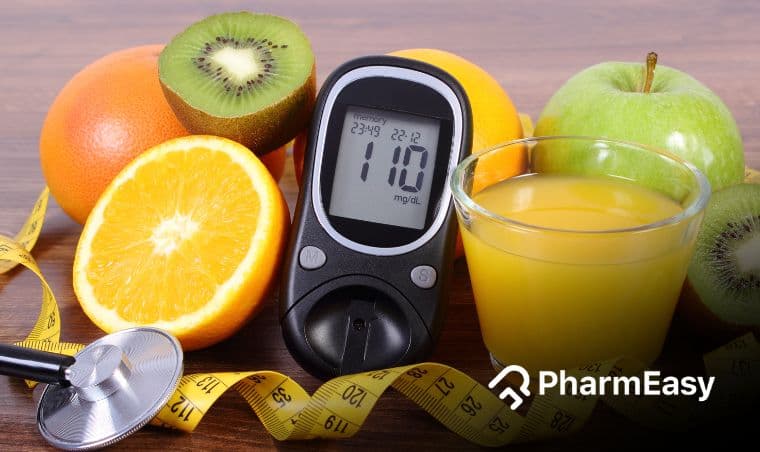
Juice for Diabetics: Navigating Glucose Levels and Beverage Choices
Meena, 45, a homemaker from Jaipur, noticed her morning ritual of a glass of freshly squeezed orange liquid felt increasingly wrong. For years, she’d associated citrus beverages with well-being, a natural method to start the day. However, her recent diabetes diagnosis made her question everything. But why does this happen? This common dilemma highlights a critical area in diabetes management: understanding how drinks, especially fruit-derived liquids, impact glucose levels. Many Indians, accustomed to traditional produce-laden diets and festive sweets, find navigating these choices challenging. What most people miss: concentrated fruit or vegetable extracts, despite being derived from whole produce, can be a potent source of sugars, often leading to rapid glucose spikes.
The Science Behind Fruit Extracts and Glucose Levels
Understanding the glycaemic index (GI) and glycaemic load (GL) is fundamental. The GI ranks foods based on how quickly they raise blood glucose levels. Foods with a high GI cause a rapid increase, while those with a low GI cause a slower, more gradual rise. The GL considers both the GI and the amount of carbohydrate in a typical serving.
Fresh whole produce, with its fibre content, generally has a lower GI and GL compared to their processed liquid counterparts. Fibre acts as a crucial moderator, slowing down sugar absorption into the bloodstream. When produce is processed into a liquid, this fibre is largely removed, leaving behind a concentrated sugar solution.
Practically speaking, a glass of fruit liquid can contain the sugar equivalent of several whole fruits. For instance, a typical 240ml serving of apple extract can contain around 24 grams of sugar, comparable to a can of cola. This rapid influx of sugar can lead to hyperglycaemia (high glucose), a major concern for individuals with diabetes.
The International Diabetes Federation (IDF) has consistently highlighted the importance of dietary choices in diabetes management, and beverages are a significant, often overlooked, component. Over 101 million Indians have diabetes (ICMR, 2023), making informed drink choices paramount.
Most people overlook this completely.
The Impact of Added Sweeteners
Many commercially available liquids, even those marketed as "100% fruit extract," can contain major amounts of added sweeteners. These are often included for flavour enhancement or as preservatives. Reading nutrition labels meticulously is essential. Look for terms like sucrose, high-fructose corn syrup, or other sweeteners.
Honestly, the sheer volume of sugar in some processed drinks is alarming. These added sweeteners contribute empty calories and further exacerbate glucose control issues. Have you ever wondered why? The body processes these added sweeteners differently, often leading to more pronounced glucose spikes than naturally occurring fruit sugars.
Fibre Loss in Processing
The process of creating liquids from produce inherently strips away most of the beneficial dietary fibre found in whole fruits and vegetables. Fibre plays a vital role in slowing digestion and the absorption of sugars. Without it, the sugars present in the liquid enter the bloodstream much more rapidly.
This can be particularly problematic for individuals with type 2 diabetes, where insulin resistance is a key factor. The absence of fibre means that the body struggles to manage the sudden sugar load effectively. A study published in The Lancet highlighted the protective role of dietary fibre against type 2 diabetes development and progression.
It sounds simple. It rarely is.
Safe Liquid Choices for Diabetics
While caution is advised, not all liquids are off-limits for individuals with diabetes. The key lies in choosing wisely and consuming in moderation.
Focusing on low-glycaemic index options and, crucially, understanding portion control are vital strategies. Here's the thing: the best approach often involves diluting liquids or opting for vegetable-based extracts, which tend to be lower in natural sugars.
Vegetable Liquids: A Better Alternative?
Vegetable liquids generally offer a safer bet for diabetics compared to fruit liquids. They are typically lower in natural sugars and carbohydrates and richer in vitamins, minerals, and antioxidants. For example, cucumber, celery, bitter gourd (karela), and spinach liquids are often recommended.
Bitter gourd liquid, in particular, has been studied for its potential hypoglycaemic properties, although more research is needed. A typical glass (200ml) of pure vegetable liquid might contain less than 10 grams of sugar, a stark contrast to many fruit liquids. Institutions like the All India Institute of Medical Sciences (AIIMS) often advise patients to incorporate a variety of non-starchy vegetables into their diet, and juicing can be one way to achieve this, provided it's done correctly.
Low-GI Fruit Liquids in Moderation
If you choose to drink fruit liquid, opt for those made from low-GI fruits. Berries (strawberries, blueberries, raspberries) are excellent choices due to their high fibre content and lower sugar levels. Pomegranate liquid, in moderation, can also be considered. Always aim for 100% liquid with no added sweeteners.
Here's where it gets interesting.
Diluting fruit liquid with water or sparkling water can significantly reduce its impact on glucose levels. A frequent recommendation is to mix equal parts liquid and water. This effectively halves the sugar concentration per serving. Remember, even low-GI options can raise glucose levels if consumed in large quantities.
Homemade vs. Store-Bought Liquids
Homemade liquids offer greater control over ingredients. You can ensure no added sweeteners and use whole fruits and vegetables. However, even homemade liquids lack the fibre of whole produce.
Store-bought liquids, especially concentrates or those from "liquid bars," often contain hidden sweeteners and additives. Always scrutinize the ingredients list and nutritional information. Practically speaking, preparing your liquid at home allows you to control the exact proportions of fruits and vegetables, favouring the latter.
Rethinking Your Beverage Habits
The monsoon season in India often brings a desire for warm, comforting drinks. While traditional options might be high in sugar, healthier alternatives exist.
The focus should shift from high-sugar drinks to hydration and nutrient intake without compromising glucose control. Consider the cultural context of communal meals where beverages are often shared; mindful choices are key.
The Role of Water and Other Healthy Drinks
Water remains the best beverage for everyone, especially for diabetics. Staying adequately hydrated is crucial for overall health and can help manage glucose levels. Other beneficial drinks include unsweetened herbal teas and black coffee (in moderation).
Recovery is rarely linear.
These beverages do not significantly impact blood glucose. For those who enjoy a bit of flavour, infusing water with fruits like lemon, mint, or cucumber can be a refreshing and healthy option. Limit intake of sweetened beverages, including fruit liquids, to occasional treats rather than daily staples.
Portion Control is Key
If you do opt for liquid, strict portion control is non-negotiable. A small glass (around 100-120ml) is generally considered a safer serving size than a large tumbler. Think of liquid as a small treat or a flavour enhancer rather than a primary source of hydration or nutrition.
This mindful consumption approach helps mitigate the risk of sharp glucose increases. Have you ever wondered why? Because even a small amount of concentrated sugar can have a meaningful effect on your glucose levels.
Expert Recommendations and Considerations
Medical professionals and dietitians generally advise a cautious approach to fruit liquids for diabetics. The consensus leans towards whole fruits over liquids due to fibre content. When liquids are consumed, they should be viewed as a source of carbohydrates and accounted for in the overall meal plan.
That alone changes everything.
What most people miss: the immediate sugar rush from liquid can negate the benefits of other healthy food choices made during the same meal. Consulting with a registered dietitian or a healthcare provider is highly recommended for personalized dietary advice. Over 50 million Indians are pre-diabetic (WHO estimates), highlighting the need for proactive health management.
Consulting Healthcare Professionals
Your doctor or a certified diabetes educator can provide tailored guidance based on your individual health status, medication, and lifestyle. They can benefit you understand how different beverages fit into your diabetes management plan.
For instance, they might suggest specific vegetable liquid combinations or safe limits for low-GI fruit liquids. Honestly, personalized advice from a professional is invaluable for navigating complex dietary choices related to diabetes.
Monitoring Glucose Levels
After consuming any liquid, monitoring your glucose levels is a practical way to understand its personal impact. This self-monitoring empowers you with knowledge about how your body responds to different foods and drinks.
The numbers don't lie.
If you notice considerable spikes after drinking a particular liquid, it's a clear sign to reduce or eliminate it. This feedback loop is essential for effective diabetes self-management.
Key Takeaways
- Whole fruits are generally preferable to fruit liquids for diabetics due to their fibre content, which slows sugar absorption.
- Vegetable liquids, particularly those made from non-starchy vegetables like cucumber and bitter gourd, are often safer options due to lower natural sugar content.
- Commercial liquids frequently contain added sweeteners and lack fibre, leading to rapid glucose spikes; always check labels.
- Portion control is critical; if consuming liquid, opt for small servings (around 100-120ml) and consider diluting it with water.
- Water, unsweetened herbal teas, and black coffee are the best beverage choices for individuals managing diabetes.
Always consult a qualified physician before making any medical decisions.