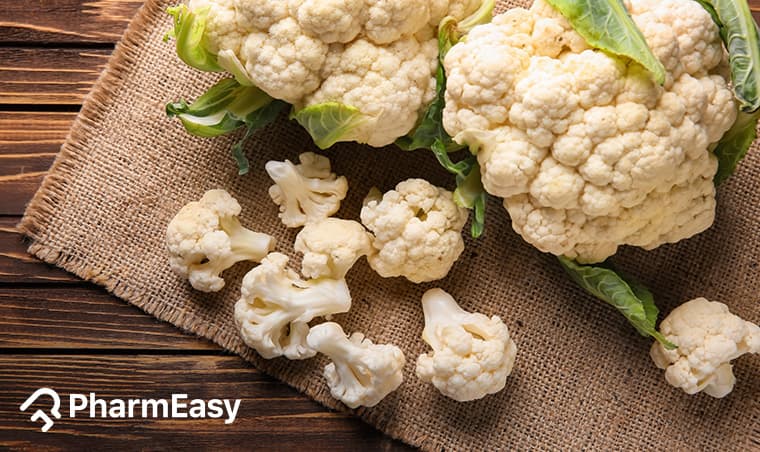
Cauliflower (Gobi): A Nutritional Powerhouse for Indian Diets
Meena, 45, a homemaker from Jaipur, noticed her energy levels dipping significantly after her son’s wedding festivities, which involved indulging in rich, traditional sweets and fried snacks. Concerned, she decided to incorporate more wholesome meals into her daily routine. Her grandmother suggested adding more desi vegetables, including the humble cauliflower, or gobi as it's known across India. This versatile cruciferous vegetable, a staple in many Indian kitchens, offers a surprising array of wellness benefits that go far beyond its culinary appeal.
Have you ever wondered why cauliflower is so widely recommended for a nutritious diet? It’s not just its mild flavour and adaptability in various dishes, but its impressive nutritional profile.
Cauliflower belongs to the *Brassica oleracea* family, which also includes broccoli, cabbage, and Brussels sprouts. Its dense florets are packed with essential vitamins, minerals, and antioxidants, making it a valuable addition to any meal plan, especially in India where dietary habits can vary widely and sometimes lean towards heavier, carbohydrate-rich items.
Nutritional Profile of Cauliflower
A single cup (about 100 grams) of raw cauliflower provides a significant amount of your daily nutritional needs. What most people miss: it’s incredibly low in calories, typically around 25 calories per cup, making it an excellent choice for weight management.
It is also a good source of dietary fibre, which aids digestion and promotes satiety. Fibre consumption is crucial, and according to the National Institute of Nutrition (NIN) in India, recommended daily intake varies between 25-30 grams for adults, a target many fail to meet.
Key Nutrients per 100g (approximate):
- Calories: 25
- Carbohydrates: 5g
- Fibre: 2g
- Protein: 2g
- Vitamin C: 77% of Daily Value (DV)
- Vitamin K: 7% of DV
- Folate (Vitamin B9): 14% of DV
- Potassium: 3% of DV
The reality is, cauliflower is particularly rich in Vitamin C, a potent antioxidant vital for immune function and skin wellness. It also contains notable amounts of Vitamin K, essential for blood clotting and bone health.
Most people overlook this completely.
Folate, crucial for cell growth and DNA formation, is another notable component. The presence of various phytonutrients, such as glucosinolates and isothiocyanates, contributes to its potential wellness-promoting properties.
Wellness Benefits of Cauliflower
1. Rich in Antioxidants
Cauliflower is loaded with antioxidants, compounds that protect your body’s cells from damage caused by free radicals. Free radicals are unstable molecules that can contribute to chronic diseases like heart disease and cancer. The antioxidants in cauliflower, including Vitamin C and various flavonoids like kaempferol and quercetin, help neutralize these harmful molecules. Studies published in journals like The Lancet have highlighted the role of dietary antioxidants in disease prevention.
2. Aids in Digestion
The fibre content in cauliflower plays a vital role in maintaining a healthy digestive system. Fibre adds bulk to stool, promoting regular bowel movements and preventing constipation.
For many Indians, especially those who consume large amounts of rice or wheat-based staples, ensuring adequate fibre consumption is paramount. A healthy gut microbiome is increasingly linked to overall well-being, and items like cauliflower can contribute positively to this.
3. Supports Heart Wellness
The fibre, potassium, and antioxidants in cauliflower all contribute to cardiovascular wellness. Fibre can assist lower cholesterol levels, while potassium helps regulate blood pressure.
Sulforaphane, a compound found in cruciferous vegetables, has also been studied for its potential to protect blood vessels from damage. Given that cardiovascular diseases remain a leading cause of mortality in India — with the Indian Heart Association reporting high prevalence — incorporating heart-friendly items is essential.
4. May Have Cancer-Fighting Properties
Cruciferous vegetables, including cauliflower, contain compounds like glucosinolates, which break down into isothiocyanates. Research, including studies supported by institutions like the WHO, suggests that these compounds may aid prevent certain types of cancer by reducing inflammation and protecting DNA from damage.
Recovery is rarely linear.
While more research is needed, the evidence points towards a protective effect, particularly against lung, colon, and breast cancers.
5. Supports Bone Wellness
Cauliflower is a good source of Vitamin K, a nutrient critical for bone wellness. Vitamin K plays a role in bone mineralization and helps prevent bone loss.
Adequate Vitamin K consumption, alongside calcium and Vitamin D, is crucial for maintaining strong bones throughout life. This is particularly relevant in India, where Vitamin D deficiency is widespread.
6. Promotes Brain Wellness
The choline content in cauliflower is noteworthy. Choline is an essential nutrient that is central to in brain development and function. It is vital for neurotransmitter synthesis and maintaining cell membrane structure.
Adequate choline consumption, especially during pregnancy and early childhood, is crucial for cognitive development. Have you ever wondered why prenatal vitamins often include choline?
7. Aids in Weight Management
With its low calorie and high fibre content, cauliflower is an excellent item for those aiming to manage their weight. The fibre helps you feel full for longer, reducing overall calorie consumption. Its versatility allows it to be used as a substitute for higher-calorie ingredients, such as rice or flour, in various dishes.
Culinary Uses of Cauliflower in India
In India, cauliflower is a beloved vegetable, prepared in countless ways. From hearty curries and sabzis to crispy pakoras, its adaptability is remarkable. During the winter months, when cauliflower is in season, families often gather for meals featuring dishes like Aloo Gobi (potato and cauliflower curry) or Gobi Paratha (stuffed flatbread). The monsoon season, however, can sometimes be a concern for vegetable quality, making reliable sources and proper cooking crucial.
Popular Indian Preparations:
- Aloo Gobi: A classic North Indian dish combining potatoes and cauliflower in a spiced tomato-based gravy.
- Gobi Manchurian: A popular Indo-Chinese dish where cauliflower florets are deep-fried and then tossed in a tangy, spicy sauce.
- Gobi Pakora: Cauliflower florets coated in a spiced chickpea flour batter and deep-fried until crispy – a popular snack, especially during festivals.
- Gobi ki Sabzi: Simple preparations often involving ginger, garlic, tomatoes, and spices, served as a side dish.
- Gobi Paratha: Whole wheat flatbread stuffed with spiced grated cauliflower, often eaten for breakfast or lunch.
Here's the thing — cauliflower can even be transformed into low-carb alternatives for rice and flour. Cauliflower rice, made by pulsing florets in a food processor, can be used in place of traditional rice, significantly reducing carbohydrate consumption.
It sounds simple. It rarely is.
Cauliflower flour, similarly processed and dried, can be used in baking, offering a gluten-free and lower-carb option.
Potential Side Effects and Precautions
While cauliflower is generally safe and beneficial for most people, there are a few potential side effects to consider. As a cruciferous vegetable, it contains goitrogens, compounds that can interfere with thyroid function in individuals with iodine deficiency.
However, this is usually only a concern for those with pre-existing thyroid issues and consuming very large quantities of raw cruciferous vegetables. Cooking cauliflower significantly reduces the goitrogenic potential.
On top of that,, the high fibre content, while beneficial, can cause gas and bloating in some individuals, especially if they are not accustomed to a high-fibre diet. Starting with small portions and gradually increasing consumption can assist the digestive system adjust.
People with existing digestive issues like Irritable Bowel Syndrome (IBS) might find certain vegetables trigger symptoms, and it’s wise to monitor personal tolerance.
What most people miss: individuals taking blood-thinning medications, such as warfarin, should be mindful of their Vitamin K consumption, as this vitamin plays a role in blood clotting. While cauliflower contains Vitamin K, it's unlikely to cause issues unless consumed in extremely large, uncharacteristic amounts.
It sounds simple. It rarely is.
Nevertheless, maintaining a consistent consumption of Vitamin K-rich items is advisable for those on such medications.
Does this sound familiar? You might be experiencing mild digestive discomfort after trying a new, high-fibre vegetable. It’s often a temporary adjustment period for your gut.
Cauliflower and Blood Sugar Management
Cauliflower has a low glycemic index (GI), meaning it does not cause rapid spikes in blood sugar levels. Its fibre content also helps to slow down the absorption of sugar into the bloodstream. This makes it a suitable vegetable for individuals managing diabetes.
Over 101 million Indians have diabetes (ICMR, 2023), and incorporating low-GI, nutrient-dense items like cauliflower can be a strategic part of a diabetes management plan. The International Diabetes Federation (IDF) consistently recommends dietary strategies that emphasize fibre and nutrient-rich items.
Conclusion: Embracing Gobi for a Healthier You
Cauliflower, or gobi, is far more than just a common vegetable; it’s a nutritional powerhouse offering many kinds of wellness benefits. From boosting immunity and aiding digestion to potentially fighting chronic diseases, its inclusion in the Indian diet is highly recommended. Whether prepared in traditional curries, stir-fries, or used in innovative low-carb recipes, cauliflower provides essential nutrients and versatile culinary options. Remember to enjoy it as part of a balanced diet.
Key Takeaways:
- Cauliflower is low in calories and rich in fibre, vitamins (especially C and K), and minerals.
- It is packed with antioxidants that assist protect cells from damage and may reduce the risk of chronic diseases.
- The fibre in cauliflower supports digestive health and can aid in weight management.
- Cauliflower has a low glycemic index, making it a good choice for individuals managing diabetes.
- While generally safe, individuals with thyroid issues or those on blood thinners should consume it in moderation and consult their doctor.
Always consult a qualified physician before making any medical decisions.