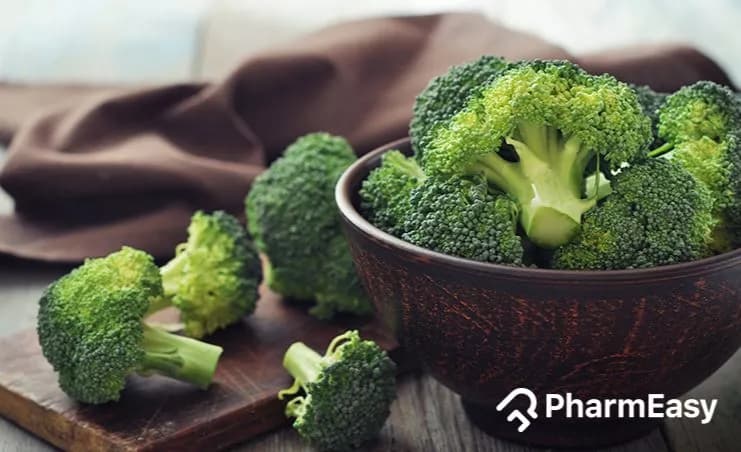
Broccoli: A Nutritional Powerhouse for Indian Wellness
Meena, 45, a homemaker from Jaipur, experienced persistent fatigue that rest couldn't alleviate. Her physician, suspecting a dietary gap, suggested adding more nutrient-rich vegetables. Among these was broccoli, a cruciferous vegetable often absent from traditional Indian meals.
While some are familiar with it, many across India are still discovering the extensive advantages of these vibrant green florets. Dr. Rajeev Singh, a respected physician, explains why broccoli merits a prominent place on your plate.
Broccoli belongs to the *Brassica oleracea* family, a close relative of cabbage, cauliflower, and kale. Its distinctive structure, resembling a small tree with a thick stem and clustered flower buds, is brimming with an impressive array of vitamins, minerals, and antioxidants.
Worldwide, it's recognized as a superfood, and rightly so. Its capacity to support general wellness is considerable, offering benefits from bolstering immunity to potentially fending off chronic ailments.
Recovery is rarely linear.
The Nutritional Profile of Broccoli
Understanding what makes broccoli so valuable starts with its abundant nutritional makeup. A single cup (approximately 91 grams) of raw broccoli is a treasure chest of essential nutrients. Consider this: this small portion delivers over 100% of the daily recommended intake of Vitamin C, a potent antioxidant vital for immune function and skin vitality.
It also stands out as an excellent source of Vitamin K, indispensable for blood clotting and bone strength. For many individuals experiencing challenges with bone density, this specific nutrient can be particularly advantageous.
Beyond this, broccoli provides a good amount of Vitamin A (in the form of beta-carotene), folate, potassium, and dietary fiber. 4 grams of this crucial nutrient. This aids digestion, promotes feelings of fullness, and can help manage blood sugar levels.
The presence of various B vitamins, including B6 and B2, supports energy production and nerve system function. Quick fact: Fiber is key for gut health.
Minerals like manganese, phosphorus, and selenium are also present, contributing to many kinds of bodily processes, from bone development to antioxidant defense. Truly, the sheer concentration of nutrients in such a common vegetable is quite remarkable.
This is where most patients struggle.
Its low calorie count—around 55 calories per cup—makes it an ideal food for managing weight and promoting overall well-being.
Wellness Benefits of Broccoli
Cancer Prevention
One of the most extensively studied advantages of broccoli lies in its potential to combat certain types of cancer. This vegetable contains several compounds that may offer protection against specific malignancies. Sulforaphane, a powerful isothiocyanate compound, is particularly concentrated in broccoli sprouts but is also found in mature florets.
Research, including studies published in journals like *The Lancet Oncology*, indicates that sulforaphane can impede the growth of malignant cells and trigger apoptosis (programmed cell death) within them. Another compound, indole-3-carbinol (I3C), also found in cruciferous vegetables, has shown promise in regulating estrogen metabolism, potentially lowering the risk of hormone-driven cancers like breast and prostate cancer.
The antioxidant capacity of broccoli, primarily from Vitamin C and beta-carotene, also plays a role in disease prevention by neutralizing harmful free radicals that can damage DNA and lead to cellular changes. The World Health Organization (WHO) advocates for diets rich in fruits and vegetables to support prevent disease, and broccoli exemplifies a food that aligns perfectly with this guidance.
Heart Health
Maintaining cardiovascular wellness is crucial, and broccoli can be a valuable ally. The fiber within broccoli aids in reducing cholesterol levels by binding to bile acids in the digestive tract, preventing their reabsorption. Elevated cholesterol is a significant possibility factor for heart disease. On top of that,, the sulforaphane present in broccoli may benefit shield blood vessels from inflammation and oxidative stress, contributing to improved cardiovascular function.
It sounds simple. It rarely is.
Potassium, also found in broccoli, assists in regulating blood pressure by counteracting the effects of sodium. This combination of factors makes broccoli a heart-conscious vegetable. What does this mean for you? It means incorporating broccoli into your meals regularly can be a proactive step towards a healthier heart.
Digestive Health
A thriving gut is foundational to overall vitality. Broccoli's substantial fiber content is a boon for digestive wellness. The insoluble fiber adds bulk to stool, encouraging regular bowel movements and preventing constipation.
The soluble fiber, conversely, acts as a prebiotic, nourishing beneficial gut bacteria. A balanced gut microbiome is associated with enhanced digestion, improved nutrient uptake, and even a more robust immune system. Good to know: a healthy digestive system impacts everything from mood to immunity.
Additionally, compounds like sulforaphane may assist protect the stomach lining from damage caused by bacteria such as *Helicobacter pylori*, a frequent source of ulcers. This protective effect is meaningful for long-term gastrointestinal well-being.
This is where most individuals struggle.
Bone Health
Strong bones are vital throughout life, and broccoli contributes significantly to their maintenance. It serves as a good source of Vitamin K, which is essential for bone metabolism and mineralization. Vitamin K helps activate proteins crucial for building and preserving robust bones.
It also plays a part in calcium absorption, ensuring your body effectively utilizes this key mineral. Alongside Vitamin K, broccoli provides calcium and phosphorus, both of which are fundamental components of bone structure. For individuals, especially women nearing or in menopause, who face a higher chance of osteoporosis, ensuring adequate intake of Vitamin K and calcium from sources like broccoli is recommended.
Eye Health
Safeguarding your vision is important, and broccoli contains nutrients that support ocular wellness. It is a good source of lutein and zeaxanthin, two antioxidants that accumulate in the retina. These compounds function like natural sunglasses, filtering out damaging blue light and shielding the macula from oxidative harm.
Reduced levels of lutein and zeaxanthin are linked to an increased possibility of age-related macular degeneration (AMD) and cataracts. The beta-carotene in broccoli is also converted into Vitamin A within the body, which is essential for good sight, particularly in dim lighting conditions.
It sounds simple. It rarely is.
Skin Health
The abundance of antioxidants in broccoli, notably Vitamin C, contributes to vibrant, healthy skin. Vitamin C is crucial for collagen synthesis, a protein that provides structure and suppleness to the skin.
It also acts as an antioxidant, shielding skin cells from damage caused by UV radiation and environmental pollutants. Sulforaphane may also offer defense against sun damage by reducing inflammation and oxidative stress in the skin.
Culinary Uses of Broccoli in India
While broccoli isn't a traditional staple in most Indian kitchens like spinach or gourds, its adaptability allows for its inclusion in various Indian dishes. Its subtly bitter, earthy flavor complements the spices and aromas characteristic of Indian cooking. Many families, like Meena's, are now experimenting with it. It can be steamed and incorporated into vegetable pulao or biryani, adding a nutritional boost and a pleasant texture.
Stir-frying with Indian spices—mustard seeds, cumin, turmeric, and a hint of chilli—alongside other vegetables like carrots and beans creates a delightful sabzi. You could even try a broccoli paratha, finely chopped and mixed into the dough, especially appealing for children who might otherwise avoid their greens. Even during a festive meal, a simple steamed or lightly sautéed broccoli dish can enhance the spread.
Here's where it gets interesting.
Broccoli soup, seasoned with ginger, garlic, and a touch of cream or coconut milk, offers another comforting option. For those seeking healthier choices, broccoli florets can be blended into smoothies, though this is less typical in traditional Indian eating patterns.
The key is light cooking to retain its nutrients and texture. Overcooking can result in a mushy consistency and a loss of beneficial compounds.
Potential Side Effects and Precautions
Despite its numerous advantages, broccoli can cause adverse effects in some individuals, particularly when consumed in large amounts. But why does this occur? The high fiber content, while beneficial for most, can lead to gas, bloating, and abdominal discomfort in individuals not accustomed to a high-fiber diet.
Those with sensitive digestive systems or certain gastrointestinal conditions like Irritable Bowel Syndrome (IBS) may need to introduce broccoli gradually. A gentle start is often best.
Broccoli also contains goitrogens, compounds that can affect thyroid function, especially in those with iodine deficiency. While moderate consumption is generally safe for most, individuals with existing thyroid issues should consult their physician before significantly increasing their intake of cruciferous vegetables.
The International Diabetes Federation (IDF) highlights the importance of balanced diets for diabetes management, and while broccoli is beneficial, moderation is key for all dietary shifts.
On top of that,, owing to its high Vitamin K content, individuals taking anticoagulant medications like warfarin should maintain a consistent intake of Vitamin K-rich foods. Sudden fluctuations in Vitamin K consumption can impact the effectiveness of these medications.
It sounds simple. It rarely is.
Always seek advice from a qualified healthcare professional before making any health-related decisions.
Key Takeaways
- Broccoli is rich in Vitamin C (over 100% DV per cup), Vitamin K, and dietary fiber.
- It contains sulforaphane and indole-3-carbinol, linked to potential disease prevention.
- The vegetable supports heart wellness by lowering cholesterol and regulating blood pressure.
- Broccoli aids digestion through its high fiber content and prebiotic effects.
- It contributes to bone health, eye health, and skin health due to its nutrient profile.