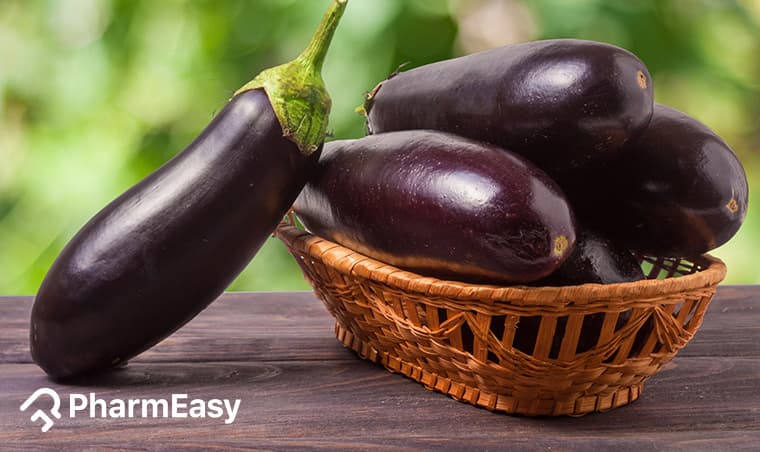
Brinjal (Baingan): A Culinary Gem with Surprising Wellness Perks
Meena, 45, a homemaker from Jaipur, noticed a persistent dull ache in her joints and a general feeling of sluggishness. While she enjoyed her family's favourite baingan bharta during the monsoon season, she wondered if her favourite vegetable could be contributing to her physical discomfort. Like many, Meena’s perception of brinjal was primarily as a delicious staple in Indian cuisine, but its deeper impact on well-being remained a mystery. Have you ever wondered why? This humble vegetable, known scientifically as Solanum melongena, is more than just a flavour enhancer; it's packed with nutrients and offers a range of wellness advantages. The reality is, understanding its full spectrum of advantages and potential drawbacks can empower us to make informed dietary choices. From its rich antioxidant profile to its dietary fibre, brinjal plays a significant role in a balanced Indian diet, particularly during times when traditional foods are savoured.
Nutritional Powerhouse: What Brinjal Offers
Brinjal is a nutritional heavyweight, despite its low calorie count. A single cup (around 82 grams) of raw brinjal contains approximately 20 calories, less than half a gram of fat, and about 5 grams of carbohydrates, of which 3 grams are dietary fibre. It also provides a modest amount of protein (about 1 gram) and is an excellent source of essential vitamins and minerals. For instance, it offers notable amounts of Vitamin B6, important for brain development and function, and Vitamin C, a crucial antioxidant.
Brinjal also contains minerals like potassium, manganese, and magnesium, all vital for maintaining bodily functions. Its dietary fibre is particularly noteworthy; a single serving can provide up to 10% of the recommended daily intake. This makes it an ideal food for weight management and digestive well-being.
Wellness Benefits of Incorporating Brinjal
The advantages of regular brinjal consumption extend across various aspects of physical well-being. Its rich antioxidant content, particularly nasunin, found in the purple skin, is a meaningful draw. Antioxidants combat free radicals, unstable molecules that can damage cells and contribute to ageing and chronic diseases. Studies published in journals like The Lancet have highlighted the role of antioxidants in reducing the risk of heart disease and certain cancers. Brinjal's high dietary fibre aids in digestion, promotes satiety, and can help regulate glucose levels. This is especially relevant in India, where over 101 million people have diabetes (ICMR, 2023). The glycaemic index of brinjal is low, meaning it causes a slower, more gradual rise in glucose after consumption, making it a safe choice for individuals managing diabetes. The potassium in brinjal also contributes to cardiovascular well-being by helping to regulate pressure. On top of that,, its anti-inflammatory properties may offer relief from conditions like arthritis. What should you actually do? Consider adding brinjal to your weekly meal plan.
Cardiovascular Support
Brinjal's contribution to heart well-being is substantial. The soluble fibre present in brinjal can assist lower cholesterol levels by binding to cholesterol in the digestive tract and preventing its absorption into the bloodstream. Potassium, another key nutrient found in brinjal, helps to relax vessels, thereby lowering pressure.
This dual action—reducing LDL cholesterol and managing pressure—significantly lowers the likelihood of heart attacks and strokes. According to the World Health Organization (WHO), cardiovascular diseases remain the leading cause of death globally, making dietary choices that support heart well-being paramount.
Most people overlook this completely.
Digestive Health Champion
The abundance of dietary fibre in brinjal makes it a true champion for digestive well-being. Fibre adds bulk to stool, facilitating regular bowel movements and preventing constipation. It also acts as a prebiotic, feeding the beneficial bacteria in your gut microbiome.
A healthy gut is linked to numerous aspects of well-being, including improved immunity and even mental state. The roughage provided by brinjal can benefit cleanse the digestive tract, promoting overall gut efficiency.
Weight Management Aid
For those aiming to manage their weight, brinjal is an excellent ally. Its high water content and fibre contribute to a feeling of fullness, reducing overall calorie intake. Being low in calories and fat, it can be incorporated generously into meals without adding excessive energy. Many popular Indian preparations, like baingan ka raita or grilled brinjal, are relatively low in calories compared to other dishes. Practically speaking, substituting a high-calorie vegetable with brinjal in a recipe can make a marked difference in your daily intake.
Antioxidant Powerhouse
The vibrant colour of brinjal, especially the deep purple varieties, is a testament to its rich antioxidant content. Nasunin, a potent anthocyanin, is particularly concentrated in the skin. These antioxidants neutralise harmful free radicals, protecting your cells from oxidative stress.
Oxidative stress is implicated in the development of chronic conditions such as heart disease, cancer, and neurodegenerative disorders. The presence of Vitamin C further bolsters this protective effect.
Here's where it gets interesting.
Glucose Level Regulation
Brinjal's low glycaemic index and high dietary fibre make it beneficial for individuals monitoring their glucose levels. The fibre slows down the absorption of sugar into the bloodstream, preventing sharp spikes and crashes.
This characteristic is invaluable for individuals with insulin resistance or type 2 diabetes, helping them maintain more stable glucose levels throughout the day.
Culinary Versatility of Brinjal
Brinjal's mild flavour and spongy texture allow it to absorb the flavours of spices and other ingredients beautifully, making it incredibly versatile in the kitchen. It can be roasted, grilled, fried, baked, stuffed, or pureed. Indian cuisine offers a vast array of brinjal dishes, from the smoky baingan bharta, often enjoyed during cooler months and festivals, to crispy baingan pakora, a popular monsoon snack. Other regional specialities include bharli vangi (stuffed brinjal) in Maharashtra and kathirikai poriyal (brinjal stir-fry) in South India. What most people miss: its ability to be a flavour sponge makes it adaptable to countless flavour profiles, from spicy curries to tangy chutneys.
Potential Side Effects and Precautions
While brinjal is generally safe and beneficial for most people, there are a few considerations. Brinjal belongs to the nightshade family, which also includes tomatoes, potatoes, and peppers. Some individuals may have sensitivities or allergies to nightshades, experiencing symptoms like digestive upset or skin rashes. Although rare, allergic reactions can occur. Worth knowing: the seeds of brinjal can be slightly bitter and, in very large quantities, may contain compounds that could be mildly toxic, though this is highly unlikely with normal consumption.
For individuals prone to kidney stones, the moderate oxalate content in brinjal might be a concern, although it is not considered a primary trigger. The preparation method also impacts wellness advantages; deep-frying brinjal significantly increases its calorie and fat content, negating some of its benefits. Therefore, opting for healthier cooking methods like baking, grilling, or stir-frying is advisable. Have you ever wondered why? Because healthier preparation maximises the vegetable's inherent advantages.
Nightshade Sensitivity
A small percentage of the population experiences adverse reactions to nightshade vegetables. warning signs can range from mild gastrointestinal discomfort, such as bloating or indigestion, to more pronounced reactions like joint pain or skin issues.
Recovery is rarely linear.
If you suspect a sensitivity, it is best to reduce your intake and observe any changes in your signs. Consulting with a healthcare provider can support in identifying potential food sensitivities.
Oxalate Content
Brinjal contains oxalates, naturally occurring compounds found in many plant-based foods. While oxalates are not harmful to most people, individuals with a history of calcium oxalate kidney stones may be advised to moderate their intake of high-oxalate foods.
However, brinjal is not typically considered among the highest oxalate-containing vegetables, and moderate consumption is usually not an issue for most.
Preparation Methods
The way brinjal is cooked significantly influences its wellness profile. Deep-frying, a popular method in some Indian snacks like bhajji, makes brinjal highly palatable but also very high in calories and unhealthy fats. This preparation method can counteract the vegetable's inherent wellness advantages. Instead, consider grilling brinjal slices until tender, roasting them for a smoky flavour, or incorporating them into vegetable stir-fries. These methods preserve the nutrient integrity and keep the calorie count low, aligning with a healthy eating pattern.
Choosing and Storing Brinjal
Selecting the freshest brinjal is key to enjoying its taste and nutritional value. Look for firm, heavy eggplants with smooth, glossy skin. Avoid those with soft spots, blemishes, or bruises. The stem should be fresh and green.
Smaller eggplants tend to be less bitter and have fewer seeds than larger ones. Once purchased, store brinjal in a cool, dry place or in the refrigerator's crisper drawer. It is best consumed within a few days for optimal freshness and flavour, as it can spoil relatively quickly. Proper storage helps maintain its texture and prevent wilting.
Conclusion: Embracing Brinjal in Your Diet
Brinjal, or baingan, is a remarkably versatile and nutritious vegetable that offers a wealth of wellness advantages. Its rich antioxidant, dietary fibre, and vitamin content supports cardiovascular well-being, aids digestion, assists in weight management, and contributes to overall physical vitality. While potential sensitivities exist, they affect only a small portion of the population.
This is where most patients struggle.
By choosing healthier preparation methods and selecting fresh produce, you can confidently incorporate this beloved Indian vegetable into your diet. Always consult a qualified physician before making any medical decisions.
Key Takeaways
- Brinjal is low in calories and fat but high in dietary fibre, vitamins (like B6 and C), and minerals.
- Its antioxidants, especially nasunin, protect against cell damage and chronic diseases.
- The high dietary fibre content supports digestive well-being and aids in glucose regulation.
- Potassium in brinjal helps in managing pressure and supporting cardiovascular well-being.
- Opt for healthier cooking methods like grilling or baking over deep-frying to maximise advantages.