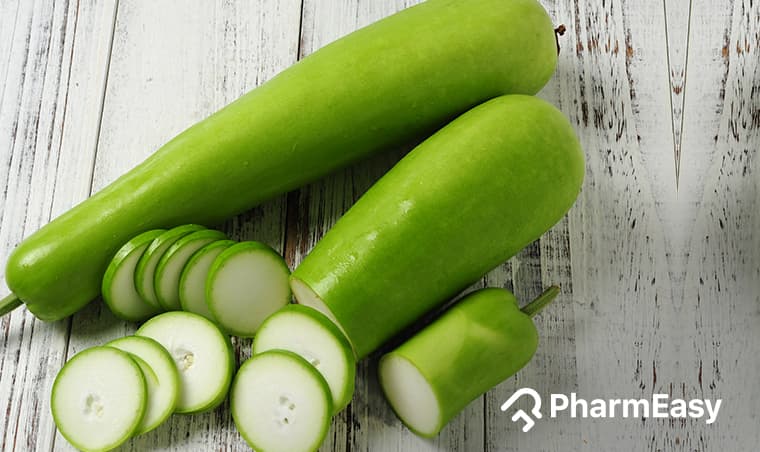
Bottle Gourd (Lagenaria siceraria): Nature's Gift for a Healthier You
Meena, 45, a homemaker from Jaipur, noticed her persistent acidity was making meals a chore. Her grandmother, a staunch believer in home remedies, suggested a daily glass of fresh Lagenaria siceraria. Skeptical but desperate, Meena tried it. Within a fortnight, the discomfort eased, and she felt lighter. This simple, age-old remedy highlights the profound benefits packed within this humble vegetable, a staple in Indian households for centuries.
This squash, known scientifically as Lagenaria siceraria, is more than just a culinary ingredient; it's a powerhouse of nutrients and a traditional remedy for various ailments. Its high moisture content and mild flavour make it incredibly versatile. Think about it this way: incorporating this vegetable into your diet is like giving your body a gentle, natural cleanse.
The Nutritional Powerhouse: What Makes This Squash So Good?
Understanding the nutritional profile of this vegetable reveals why it's so highly regarded. It's exceptionally low in calories and fat, making it an ideal food for weight management. A 100-gram serving typically contains only about 15-20 calories. Its primary component is moisture, often exceeding 90%, which contributes to hydration and satiety.
Beyond moisture, this squash offers essential vitamins and minerals. It's a good source of Vitamin C, crucial for immune function and skin health. You'll also find B vitamins (like niacin, thiamine, and riboflavin) that play vital roles in energy metabolism.
Minerals such as potassium, important for regulating pressure, and manganese, involved in bone formation and metabolism, are also present. On top of that,, the fibre content, both soluble and insoluble, aids digestion and helps maintain healthy sugar levels. Over 101 million Indians have diabetes (ICMR, 2023), making fibre-rich foods like this squash particularly beneficial.
Key Nutrients in 100g of Bottle Gourd:
- Calories: ~15-20
- Moisture: ~90-95%
- Carbohydrates: ~3g
- Fibre: ~1g
- Protein: ~0.5g
- Fat: <0.5g
Health Benefits: From Digestion to Detoxification
The benefits of consuming this vegetable are extensive, touching upon various aspects of health. Its cooling properties are particularly valued during the hot Indian summers.
1. Aids Digestion and Relieves Constipation
The high fibre and moisture content in this squash work synergistically to promote a healthy digestive system. Fibre adds bulk to stool, facilitating smooth passage through the intestines and preventing constipation. Studies published in The Lancet have repeatedly highlighted the importance of dietary fibre in preventing gastrointestinal disorders. Does this sound familiar? If you often struggle with digestive discomfort, incorporating this vegetable could be a simple yet effective solution. The soluble fibre can also act as a prebiotic, feeding beneficial gut bacteria.
2. Promotes Weight Loss
Here's the thing: this squash is a dieter's dream vegetable. Its low calorie and fat content, combined with its high moisture and fibre volume, helps you feel full for longer, reducing overall calorie intake. This makes it an excellent addition to weight loss diets, often recommended by nutritionists across India.
Here's where it gets interesting.
3. Hydration and Cooling Effect
With over 90% moisture, this squash is incredibly hydrating. Consuming it, especially in a liquid form, helps replenish fluids, particularly significant in a climate like India's. This cooling effect can also help reduce body heat and alleviate symptoms of heatstroke.
4. May benefit Manage Blood Pressure
The potassium content in this squash is notable. Potassium is a vital mineral that helps counteract the effects of sodium in the body, thereby helping to regulate pressure. Adequate potassium intake is linked to a lower risk of stroke and cardiovascular diseases, as emphasized by the World Health Organization (WHO).
5. Detoxifies the Body
This squash is believed to possess natural detoxifying properties. Its high moisture content helps flush out toxins from the body through urine. Some traditional practices also suggest its liquid form can aid cleanse the liver and kidneys.
6. Soothes Acidity and Ulcers
What most people miss is the potent antacid effect of this vegetable. Its alkaline nature helps neutralize excess stomach acid, providing relief from heartburn and acidity. Regular consumption can be beneficial for individuals suffering from peptic ulcers.
This is where most patients struggle.
7. Improves Sleep Quality
While less commonly known, some anecdotal evidence and traditional Ayurvedic texts suggest that this squash may have a calming effect on the nervous system, potentially aiding in better sleep. This could be attributed to its cooling properties and nutrient profile.
8. Boosts Energy Levels
Because it's easily digestible and rich in B vitamins, this vegetable can assist boost energy levels without the crash associated with sugary foods. This makes it a great option for a light meal or snack.
Culinary Uses: More Than Just Sabzi
This squash's mild flavour allows it to be used in a wide array of dishes. Its versatility shines, especially in Indian cuisine, where it's a common sight during festivals and everyday meals.
1. Lauki ki Sabzi
The most typical preparation, this involves cubing the squash and cooking it with spices, onions, tomatoes, and sometimes lentils. It’s often enjoyed with roti or rice.
2. Lauki Juice
Freshly squeezed liquid from this squash, often consumed on an empty stomach in the morning, is popular for its health benefits. A pinch of salt or a squeeze of lime can make it more palatable.
3. Lauki Kofta
Grated squash is mixed with gram flour (besan) and spices, formed into balls, and then deep-fried or steamed before being added to a rich gravy. This is a popular North Indian delicacy.
4. Lauki Halwa
A sweet dessert made by simmering grated squash with milk, sugar, and ghee, often flavoured with cardamom and nuts. It’s a rich, indulgent treat, especially during festive seasons.
5. Lauki Raita
Grated or finely chopped squash is added to yogurt along with spices and herbs to make a cooling side dish, perfect for spicy meals.
6. Soups and Stews
Its mild flavour complements other ingredients, making it a great addition to soups and vegetable stews.
Worth knowing: The seeds and skin are also edible and nutritious, though often discarded. Ensure the skin is well-scrubbed if you plan to consume it.
Potential Side Effects and Precautions
While generally safe and beneficial, this squash can have side effects for some individuals. The most considerable concern relates to its potential bitterness.
1. Bitter Bottle Gourd: A Serious Concern
Occasionally, this squash can become unusually bitter due to the presence of cucurbitacins – toxic compounds. Consuming even a small amount of bitter liquid from it can lead to severe stomach upset, vomiting, diarrhoea, and in rare, extreme cases, even more serious complications. Think about it this way: the sweetness of the squash is its safety signal; bitterness is a warning.
Always taste a small amount of the raw squash or its liquid before consuming it in larger quantities. If it's bitter, discard it immediately.
2. Digestive Issues in Some Individuals
Despite being known for aiding digestion, some people might experience bloating or gas, especially if they are not accustomed to a high-fibre diet or consume it in very large quantities. Starting with small portions is advisable.
Here's where it gets interesting.
3. Interactions with Medications
While not extensively documented, it's always prudent to discuss meaningful dietary changes with your doctor, especially if you are on medication for conditions like diabetes or high pressure, given this squash's potential effects on sugar and pressure. The International Diabetes Federation (IDF) also recommends careful monitoring when introducing new foods into a diabetic diet.
4. Cooling Effect for Certain Individuals
In Ayurveda, this squash is considered to have a cooling effect. Individuals who are naturally prone to feeling cold or have respiratory issues like asthma or bronchitis might want to consume it in moderation, perhaps cooked with warming spices, especially during colder months or the monsoon season.
What Should You Actually Do?
Integrating this squash into your diet is straightforward. Start with small, manageable portions. If opting for a liquid preparation, fresh is best. Avoid commercially prepared drinks that may contain added sugars or preservatives. When cooking, remember that overcooking can diminish its nutritional value.
For those new to this vegetable, trying it in a simple sabzi or raita is a good starting point. If you experience any adverse reactions, discontinue use and consult a healthcare professional. Remember Meena's story – sometimes the simplest remedies offer the most profound relief.
Recovery is rarely linear.
Key Takeaways
- This squash is low in calories and high in moisture and fibre, aiding digestion and weight management.
- It provides essential nutrients like Vitamin C and potassium, supporting immunity and potentially pressure regulation.
- Always ensure the squash is not bitter, as this indicates toxic compounds (cucurbitacins) that can cause severe illness.
- This vegetable can be used in various dishes, from sabzi and liquid preparations to halwa and kofta, offering culinary flexibility.
- While generally safe, consume in moderation and consult a doctor if you have pre-existing health conditions or experience adverse effects.
Always consult a qualified physician before making any medical decisions.