Eyes That Appear Deep-Set: Understanding the Causes, Symptoms, and Effective Management
Meena, 45, a homemaker from Jaipur, noticed her eyes beginning to look increasingly shadowed and hollow, giving her a perpetually weary expression. She initially attributed this to insufficient slumber, a common concern during the busy festival season, especially with late-night preparations.
However, the persistent depth beneath her eyes, coupled with a slight dryness, urged her to seek explanations. Her experience is not unusual; many individuals in India encounter eyes that seem deep-set, a condition that can alter one's look and, at times, indicate underlying health concerns.
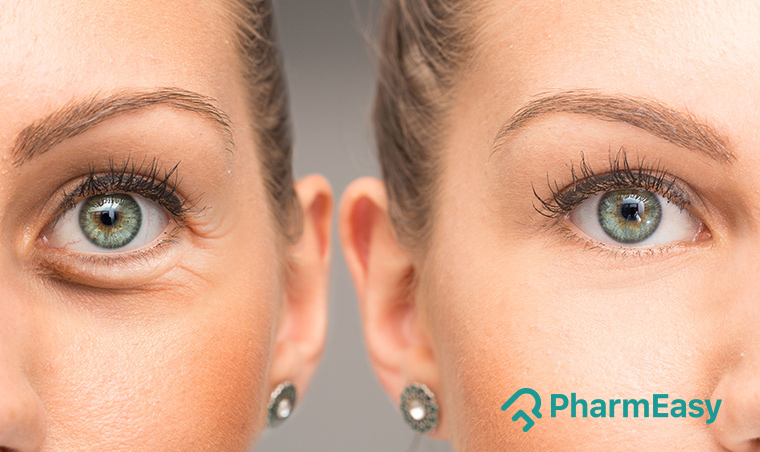
The reality is, eyes that appear deep-set—often described as tear troughs or under-eye depressions—can arise from a spectrum of factors, ranging from straightforward lifestyle habits to more intricate health issues. Grasping these origins is the initial stride toward discovering reliable resolutions and regaining a more refreshed, youthful aspect.
typical Origins of Deep-Set Eyes
Numerous elements contribute to the formation of deep-set eyes. Consider this: the delicate skin surrounding our eyes is particularly vulnerable to shifts within our bodies and external surroundings.
Insufficient Fluid Intake
In numerous instances, a lack of adequate fluids is a primary instigator. When your body is deprived of sufficient liquids, it can lead to a reduction in circulating volume, causing the tissues around the eyes to seem more prominent and the skin to lose its fullness.
That alone changes everything.
This effect is especially noticeable following periods of strenuous physical exertion, illness involving vomiting or diarrhea, or simply failing to consume enough water throughout the day. A deficit in fluids can manifest swiftly, and its influence on facial character, particularly the eyes, is often among the earliest indicators.
Lack of Rest and Weariness
The saying "beauty sleep" carries substantial weight. Inadequate rest can result in pallid skin, making the darker tissues and vascular structures beneath your eyes more apparent, thereby creating the impression of depth and shadows.
Persistent exhaustion doesn't merely make you feel drained; it visibly affects your complexion. Over time, this can foster a consistently fatigued look.
Advancing Age and Diminished Fat Volume
As we grow older, our bodies naturally shed subcutaneous adipose tissue, including the cushioning pads that support the area beneath the eyes. This reduction in volume can lead to skin laxity and the creation of depressions. The skin also becomes thinner with age, further intensifying the deep-set aspect.
This natural aging process is a significant factor for individuals past their early forties. The World Health Organization (WHO) indicates that life expectancy in India has risen, meaning more people are experiencing changes linked to aging.
This is where most patients struggle.
Inherited Traits
For certain individuals, deep-set eyes are simply an inherited characteristic. If your parents or close family members exhibit hollowed under-eye regions, you are more prone to developing them as well.
This genetic predisposition signifies that some people may naturally possess thinner skin or less adipose volume, irrespective of lifestyle influences.
Hypersensitivities
Allergic responses, whether periodic (such as during the monsoon when airborne particles increase) or ongoing, can induce inflammation and fluid accumulation around the eyes. This disorder, frequently termed "allergic shiners," can make the under-eye zone appear darker and more recessed.
The act of rubbing itchy eyes due to allergies can also exacerbate the visual effect and potentially harm the sensitive skin.
Nutritional Shortcomings
A deficiency in vital vitamins and minerals can compromise skin integrity and overall appearance. Lacks in iron (leading to anemia), vitamin C, vitamin K, or specific B vitamins can contribute to pale skin and darkened areas, making recessed eyes more evident.
For example, iron deficiency anemia affects an estimated 56% of expectant mothers in India, according to ICMR statistics, underscoring a prevalent nutritional challenge.
Solar Radiation Exposure
Sustained exposure to the sun's ultraviolet (UV) rays can inflict damage on the skin, breaking down collagen and elastin, the proteins responsible for maintaining skin firmness and suppleness. This damage can lead to skin thinning and increased visibility of vascular structures, contributing to a recessed look.
It sounds simple. It rarely is.
It also accelerates the aging process, causing wrinkles and depressions to manifest earlier.
Nicotine and Alcohol Use
Both smoking and excessive alcohol consumption can dehydrate the body and adversely affect skin health. Smoking constricts vascular channels, diminishing oxygen delivery to the skin, while alcohol acts as a diuretic, resulting in fluid loss. These habits can hasten aging and worsen the appearance of eyes that seem deep-set.
Medical Ailments
While less frequently encountered, specific health conditions can lead to eyes that appear deep-set. These encompass chronic illnesses, renal impairment, thyroid dysfunctions (such as Graves' disease, which can cause eye protrusion or recession), and certain infections.
If your recessed eyes emerge abruptly or are accompanied by other concerning indicators, seeking medical advice is paramount.
Manifestations Associated with Deep-Set Eyes
The primary indication is, naturally, the visible indentation or depression beneath the eyes. However, this can be accompanied by other signs:
- Dark circles that seem more pronounced.
- A weary or gaunt facial aspect.
- Occasionally, a mild swelling or puffiness in conjunction with the recession.
- Dryness or irritation of the skin below the eyes.
- Visible vascular structures beneath the thin dermis.
So, what does this imply for you? Recognizing these accompanying signals can assist in identifying the underlying cause more effectively.
Home-Based Solutions for Deep-Set Eyes
While marked issues might necessitate professional intervention, several home-based remedies can help refine the appearance of recessed eyes, particularly those stemming from lifestyle elements.
Maintain Adequate Fluid Intake
This is arguably the most straightforward yet highly powerful remedy. Consume ample water throughout the day—aim for at least 8-10 glasses. Proper hydration aids in plumping the skin and enhances overall skin elasticity, diminishing the visual depth. Sufficient fluid consumption is vital, especially in India's often warm and humid climate.
Achieve Sufficient Rest
Prioritize 7-9 hours of restorative slumber each night. Establishing a consistent sleep schedule, cultivating a calming pre-bedtime ritual, and ensuring your sleeping environment is dim and tranquil can yield a major positive change. Reflect on this: your body undertakes tissue repair and regeneration while you are asleep.
This is where most sufferers struggle.
Cool Compress Application
Applying a cool compress—such as a chilled fabric, cucumber segments, or cooled spoons—to your closed eyelids for 10-15 minutes can benefit constrict vascular channels and reduce swelling. This can offer temporary relief from the appearance of darkness and puffiness. This is a rapid solution often utilized before major social engagements.
Cucumber Segments
Cucumbers possess cooling and mild astringent properties. Placing chilled cucumber pieces over your eyes for approximately 15 minutes can soothe the skin and alleviate puffiness. Their high water content also contributes to hydration.
Infused Tea Bags
Caffeinated tea bags (such as those containing black or green tea), once cooled after brewing, can be beneficial. The caffeine assists in constricting vascular channels, and the antioxidants may aid reduce puffiness and darkened areas. Position the cooled, moist tea bags over your closed eyes for 10-15 minutes.
Nourishing Diet
Incorporate foods abundant in vitamins A, C, E, and K, along with iron. Fruits, vegetables, lean proteins, and whole grains are essential.
A balanced dietary approach, perhaps drawing inspiration from traditional Indian cuisine but emphasizing nutrient density, can improve skin vitality from within. For instance, dark leafy greens are excellent sources of iron and vitamin K.
It sounds simple. It rarely is.
Facial Rubbing
Gentle friction around the eye region can enhance circulation. use your ring finger to lightly pat or massage the under-eye area in a circular motion. This should be executed with extreme delicacy to prevent stretching the fragile skin.
Refrain from Rubbing Eyes
Make a conscious effort to avoid rubbing your eyes, particularly if you experience hypersensitivities. This habit can harm the delicate capillaries and worsen discoloration and puffiness.
When to Seek Professional Medical Consultation
While home-based strategies can address numerous superficial origins, it's important to recognize when to obtain expert medical assistance. But why does this occur? At times, eyes that appear deep-set are indicative of something more serious.
Consult a healthcare provider if:
- Eyes that appear deep-set emerge suddenly and without a clear reason.
- They are accompanied by other indicators such as persistent exhaustion, unexplained weight reduction, alterations in vision, or marked edema.
- Home remedies fail to elevate the concern after several weeks.
- You suspect an underlying health issue like thyroid irregularities or severe anemia. The National Institute of Diabetes and Digestive and Kidney Diseases (NIDDK) offers resources for kidney-related concerns, which can sometimes present with ocular changes.
A physician can conduct a physical assessment, review your health background, and order necessary diagnostic tests (such as laboratory analyses of your blood) to ascertain the root cause. Depending on the diagnosis, treatment may involve addressing fluid deficits, managing hypersensitivities, modifying your dietary intake, or treating an underlying medical ailment.
Clinical Interventions
For persistent or severe presentations, a dermatologist or cosmetic surgeon might propose interventions such as:
- Injectable Fillers: Substances administered via injection, like hyaluronic acid, can be employed to replenish lost volume in the under-eye zone, immediately plumping the depressions. This is a widely favored cosmetic procedure.
- Adipose Tissue Grafting: A surgical technique where fat is extracted from another bodily region and introduced into the area beneath the eyes.
- Chemical Exfoliation or Laser Therapies: These methods can aid refine skin texture and diminish hyperpigmentation, making dark circles less conspicuous.
- Platelet-Rich Plasma (PRP) Therapy: This involves utilizing your own blood platelets to stimulate collagen synthesis and enhance skin revitalization.
The selection of management hinges on the individual's specific circumstances, desired outcomes, and financial considerations. Data from the International Diabetes Federation (IDF) points to an increasing prevalence of non-communicable diseases in India, emphasizing the importance of addressing visible health indicators like recessed eyes, which can occasionally be linked to systemic conditions.
That's the part worth remembering.
Crucial Takeaways
- Eyes that appear deep-set can be attributed to insufficient fluid intake, lack of slumber, aging, inherited traits, hypersensitivities, nutritional deficits, solar exposure, and certain health conditions.
- Maintaining adequate hydration and ensuring 7-9 hours of restorative sleep are vital lifestyle modifications.
- Home-based remedies such as cool compresses, cucumber segments, and a nutrient-dense diet can aid in improving the appearance of mild to moderate recessed eyes.
- Seek medical counsel if eyes that appear deep-set emerge suddenly, are accompanied by other concerning manifestations, or do not show improvement with home care.
- Clinical interventions like injectable fillers or adipose tissue grafting are available for more persistent or severe instances of under-eye depressions.
Always confer with a qualified physician before making any health-related decisions.