Effective Home Solutions for Eye Irritation
Meena, 45, a homemaker from Jaipur, noticed her eyes turning noticeably red and feeling gritty after a long day of cleaning during the dusty pre-monsoon season. She initially dismissed it as fatigue, but the persistent ocular redness and itching made her concerned.
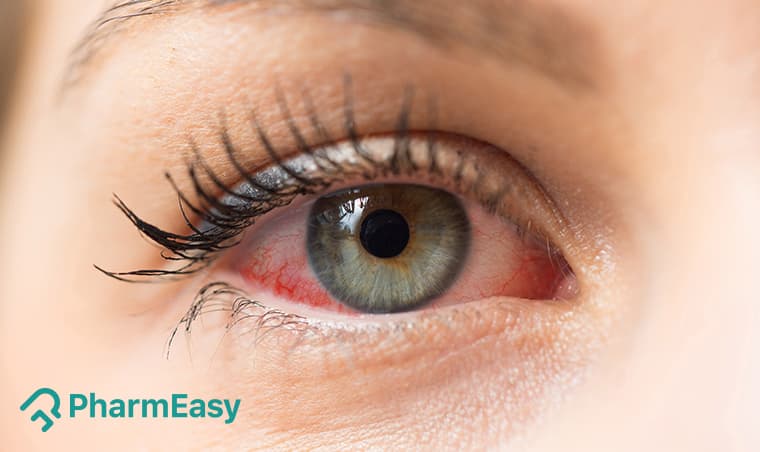
Like Meena, many of us experience irritated eyes at some point. This common ailment, medically known as conjunctival hyperemia, can stem from various causes, ranging from simple environmental irritants to more serious underlying conditions.
Understanding the root cause is paramount. But why does this happen?
Redness in the eyes occurs when the tiny blood vessels on the surface of the conjunctiva—the thin, transparent membrane covering the white part of the eye—become swollen and inflamed. This inflammation can be triggered by allergies, infections, dry eye syndrome, prolonged screen time, or even exposure to smoke and pollution, which are sadly typical in many Indian cities.
frequent Causes of Ocular Redness
The reasons behind irritated eyes are diverse. Allergies are a frequent culprit, especially during certain seasons or when exposed to specific allergens like pollen, dust mites, or pet dander. Viral or bacterial infections, commonly known as conjunctivitis or 'pink eye', can also cause significant redness, discharge, and discomfort.
It sounds simple. It rarely is.
Dry eye syndrome, where the eyes don't produce enough lubricating fluid or the fluid evaporates too quickly, leaves the eye surface vulnerable to irritation and redness. In India, prolonged exposure to dust, particularly during construction or agricultural activities, is a major contributor.
Digital eye strain, a growing concern in our tech-driven world, leads to discomforts like redness, dryness, and impaired sight after extended periods of screen use. Over 101 million Indians have diabetes (ICMR, 2023), and uncontrolled blood sugar levels can sometimes manifest in eye issues, including redness.
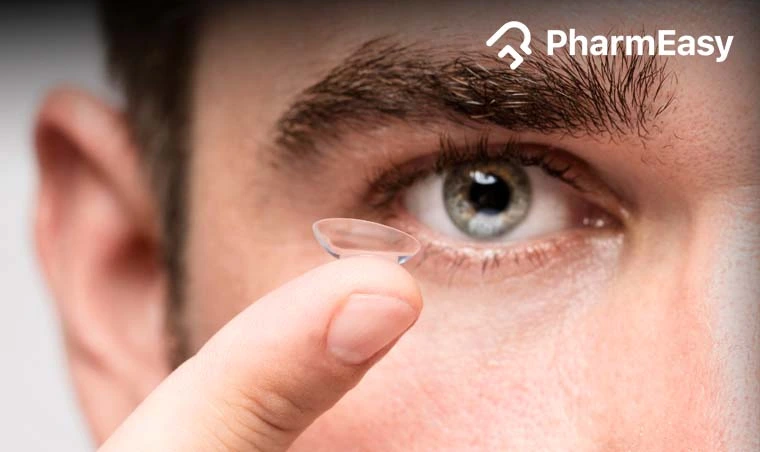
Even something as simple as wearing contact lenses for too long or improper hygiene can irritate the eyes. Practically speaking, identifying the trigger is the first step towards proven relief.
Home Solutions for Soothing Irritated Eyes
When your eyes feel irritated and look red, reaching for immediate relief is natural. Fortunately, several simple and impactful home solutions can provide comfort. Worth knowing: consistency is key with many of these approaches.
1. Cool Compress Therapy
A cool compress is a go-to solution for inflamed eyes. Soak a clean, soft cloth in cool water, wring out the excess, and gently place it over your closed eyelids for 10-15 minutes. This helps constrict blood vessels, reducing redness and soothing irritation.
Most people overlook this completely.
Repeat this several times a day as needed. This is particularly proven for redness caused by allergies or fatigue.
2. Artificial Tears (Preservative-Free)
Over-the-counter artificial tears can effectively lubricate the eyes and wash away irritants. Look for preservative-free options, as preservatives can sometimes cause further irritation with frequent use.
Use them as directed on the packaging. Over 200 million people worldwide suffer from dry eye disease (IDF), making artificial tears a widely beneficial solution.
3. Gentle Eyelid Cleansing
Keeping your eyelids clean is crucial, especially if an infection is suspected. You can use a diluted tear-free baby shampoo mixed with warm water or a commercially available eyelid cleansing solution. Gently wipe your eyelids with a clean cotton swab or pad. This helps remove debris, crusts, and potential allergens or pathogens.
4. Cucumber Slices
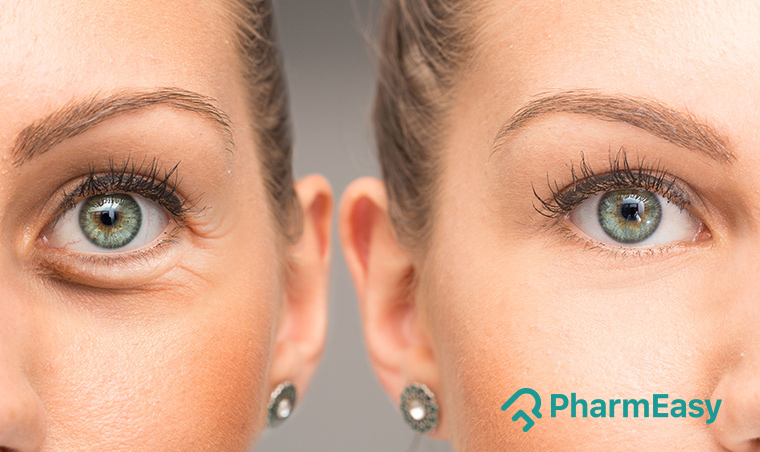
A classic solution, cucumber slices offer a cooling and hydrating effect. The high fluid content and anti-inflammatory properties of cucumber can help reduce puffiness and soothe tired, red eyes.
Place chilled, clean slices over your closed eyes for about 10-15 minutes. What most people miss: ensure the cucumber is fresh and has not been treated with pesticides.
5. Rose Water Rinse
Rose water, particularly pure, food-grade varieties, possesses mild astringent and anti-inflammatory properties. Some find it soothing for irritated eyes.
Use it as an eyewash by placing a few drops onto a clean cloth and gently dabbing around the eyes, or by using an eyewash cup with a few drops of diluted rose water. Honestly, its effectiveness can vary greatly among individuals.
6. Stay Hydrated and Rested
Dehydration can exacerbate dry eye symptoms. Ensure you are drinking plenty of clear fluids throughout the day. Adequate sleep is also vital for eye recovery. Aim for 7-8 hours of quality sleep each night. Rest your eyes frequently during the day, especially if you spend long hours in front of screens.
This is where most patients struggle.
7. Avoid Eye Rubbing
It might feel instinctive to rub itchy or irritated eyes, but doing so can worsen inflammation and potentially introduce more irritants or even cause micro-tears. Instead, try gently blinking or using a cool compress.
8. Warm Compress for Styes
If the redness is accompanied by a painful lump on the eyelid (a stye), a warm compress can be more beneficial. Apply a clean cloth soaked in warm water to the affected eyelid for 10-15 minutes, several times a day.
This helps to open the blocked oil gland and promotes healing. Styes are typical and usually resolve on their own with home care, but persistent ones require medical attention.
When Home Solutions Aren't Enough: Seeking Medical Advice
While home solutions offer relief for mild irritation, it's crucial to know when to seek professional support. Persistent or severe warning signs warrant a visit to an eye specialist or a general physician. So what does this mean for you? Prompt diagnosis can prevent potential impairment of sight.
Signs That Require Medical Attention
- Severe eye pain
- Sudden changes in sight or blurred sight
- Sensitivity to light (photophobia)
- Thick, yellow, or green discharge from the eye
- Redness that doesn't improve after a few days of home care
- Recent injury to the eye
- A feeling that something is stuck in the eye
These manifestations could indicate a more serious condition like keratitis (inflammation of the cornea), uveitis (inflammation inside the eye), or a severe bacterial infection, which require specific medical treatment. For instance, untreated bacterial conjunctivitis can, in rare cases, lead to corneal ulcers and sight impairment.
That's the part worth remembering.
The World Health Organization (WHO) highlights the importance of timely intervention for eye infections.
Understanding Specific Conditions
Allergic Conjunctivitis: Often presents with intense itching, redness, and fluid discharge, typically affecting both eyes. Antihistamine eye drops are usually prescribed. It's estimated that up to 30% of the global population suffers from allergic conjunctivitis at some point in their lives.
Viral Conjunctivitis: Characterized by fluid discharge and redness, often starting in one eye and spreading to the other. It's highly contagious and usually resolves on its own, but supportive care like artificial tears and cool compresses is recommended. Severely inflamed eyes might require antiviral medication in specific cases.
Bacterial Conjunctivitis: Typically involves thicker, pus-like discharge, crusting of eyelids, and notable redness. Antibiotic eye drops or ointments are usually necessary. Early approach, as recommended by institutions like AIIMS, is vital to prevent complications.
Dry Eye Syndrome: A chronic situation where the eyes lack adequate lubrication. indicators include redness, a gritty sensation, burning, and fluctuating sight. Management often involves lifestyle changes, artificial tears, and sometimes prescription medications.
Other Causes: Conditions like blepharitis (eyelid inflammation), styes, chalazions, and even systemic diseases can cause red eyes. For example, rheumatoid arthritis can sometimes affect the eyes, leading to uveitis. It is estimated that approximately 1.5 million people in India suffer from severe dry eye disease, highlighting the prevalence of this issue.
Preventive Measures for Red Eyes
Prevention is always better than cure. Simple lifestyle adjustments can significantly reduce the frequency and severity of red eyes. Honestly, many of these are typical sense but easily overlooked.
- Practice Good Eye Hygiene: Wash your hands thoroughly before touching your eyes or face. Avoid sharing towels or eye makeup.
- Manage Screen Time: Follow the 20-20-20 rule: every 20 minutes, look at something 20 feet away for at least 20 seconds. Ensure proper lighting and screen positioning.
- Use Protective Eyewear: Wear sunglasses outdoors to protect against UV rays and wind. Use safety glasses during activities that pose a risk of eye injury.
- Control Allergies: Identify and avoid known allergens. Keep windows closed during high pollen seasons. Consider over-the-counter or prescription allergy medications if recommended by a doctor.
- Maintain a Healthy Diet: Include foods rich in Omega-3 fatty acids (like fish and flaxseeds) and antioxidants (found in colourful fruits and vegetables) for overall eye health.
- Stay Hydrated: Drink plenty of clear fluids throughout the day to maintain overall bodily fluid balance, including fluid production.
- Proper Contact Lens Care: Follow your eye doctor's instructions meticulously for cleaning, storing, and replacing contact lenses. Never sleep in lenses unless specifically approved by your doctor.
What most people miss: often, a combination of these preventive strategies yields the best results. For instance, someone prone to digital eye strain might benefit from the 20-20-20 rule combined with preservative-free artificial tears.
Conclusion: Prioritizing Eye Health
Red eyes, while often a minor inconvenience, can sometimes signal a more serious underlying issue. By understanding the widespread causes and utilizing powerful home solutions, most people can find relief.
However, never hesitate to consult a healthcare professional if your signs are severe, persistent, or accompanied by sight changes. A timely visit to a doctor, perhaps to an institution like the LV Prasad Eye Institute or a local clinic, can ensure proper diagnosis and intervention, safeguarding your precious sight.
Always consult a qualified physician before making any medical decisions.
Key Takeaways
- Cool compresses and artificial tears are reliable for immediate relief of mild red eye manifestations.
- Avoid rubbing your eyes, as this can worsen irritation and inflammation.
- Seek immediate medical attention for severe eye pain, sight changes, or thick discharge.
- Preventive measures like good eye hygiene and managing screen time are crucial for reducing red eye occurrences.
- Home solutions are beneficial for minor irritation, but professional medical advice is essential for persistent or severe conditions.