Contact Lenses: A Clearer View of Your Options
Meena, 45, a homemaker from Jaipur, noticed her eyesight blurring during the recent Diwali preparations. While she’d always relied on glasses, the intricate work of decorating and preparing sweets felt cumbersome with them. She wondered if there was a more convenient solution.
Many of us face similar situations where glasses become a hindrance, and the thought of ocular aids crosses our minds. But what exactly are they, and how do they work?
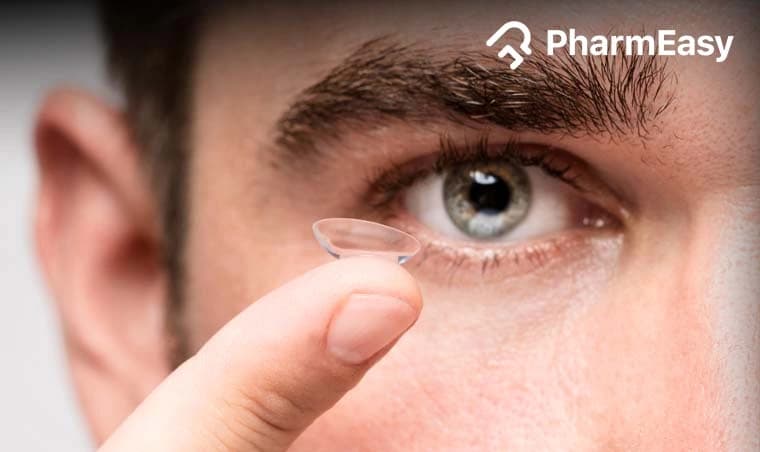
Ocular aids are thin, curved discs that sit directly on the surface of your eye to correct refractive errors. They are a popular alternative to eyeglasses for millions worldwide, offering a more natural field of sight and freedom for various activities.
Think about it this way: they act like a natural extension of your eye's own structure, precisely reshaping how light enters your pupil to achieve clearer sight.
The Evolution of Sight Correction
The concept of sight correction dates back centuries, but the modern ocular aid is a marvel of optical engineering. Initially, rigid, uncomfortable discs were the only option.
Today, advancements have led to a wide array of materials and designs, catering to diverse needs and preferences. Over 101 million Indians have diabetes (ICMR, 2023), a condition that can often impact sight, making ocular aids a potentially beneficial option for some individuals seeking sight correction without the bulk of glasses.
Types of Ocular Aids: Finding Your Perfect Fit
Selecting the right ocular aid is crucial for comfort and eye health. Discs are broadly categorized based on their material and replacement schedule. Have you ever wondered why there are so many different kinds?
The numbers don't lie.
Soft Ocular Aids
These are the most common type, making up over 90% of the market. Soft discs are made from flexible plastic materials containing water.
They are generally comfortable from the moment you put them in and require a shorter adaptation period. What most people miss: their high water content makes them breathable, allowing oxygen to reach the cornea, which is vital for eye health.
- Daily Disposables: Worn once and then discarded. They offer maximum convenience and cleanliness, eliminating the need for cleaning solutions. This is particularly beneficial during busy periods, like navigating the monsoon season where maintaining cleanliness can be more challenging.
- Two-Week/Monthly Disposables: These discs are worn for a specified period (e.g., two weeks or one month) and then replaced. They require daily cleaning and disinfection using appropriate ocular aid solutions.
- Extended Wear Discs: Designed for continuous wear, sometimes even overnight, for up to 30 days. However, their use requires careful monitoring by an eye care professional due to increased risks of contamination.
Rigid Gas Permeable (RGP) Discs
Often referred to as 'hard' discs, RGP discs are made from a firmer plastic material that allows oxygen to pass through to the eye. They offer excellent sight clarity, especially for those with significant astigmatism or certain corneal conditions like keratoconus.
While they may take a little longer to get used to compared to soft discs, their durability and crisp sight are marked advantages. For specific visual imperfections, RGP discs can provide unparalleled sharpness.
Hybrid Ocular Aids
These innovative discs combine the benefits of both soft and RGP discs. They feature a rigid gas permeable center for clear sight and a soft skirt for enhanced comfort. Hybrid discs are a great option for individuals who need the visual acuity of RGP discs but struggle with comfort.
Most people overlook this completely.
Specialty Ocular Aids
Beyond the typical types, specialty discs exist for specific conditions:
- Toric Discs: Designed to correct astigmatism, a disorder where the eye's surface is not perfectly spherical.
- Multifocal Discs: Allow clear sight at multiple distances (near, intermediate, and far), ideal for people with presbyopia (age-related farsightedness).
- Cosmetic/Color Discs: Change the apparent color of the iris for aesthetic purposes. It is imperative that these are fitted by a professional, just like any other prescription disc, to avoid eye damage.
Uses of Ocular Aids
Ocular aids primarily serve as a sight correction tool. However, their applications extend beyond just improving sight. They are used by people who need correction for myopia (nearsightedness), hyperopia (farsightedness), astigmatism, and presbyopia.
In many cases, ocular aids offer a wider, more natural field of sight compared to eyeglasses, which can be particularly beneficial for athletes and individuals with active lifestyles. The freedom from frames can be liberating during activities like playing sports or even during festive occasions where one might be engaged in activities like floor sitting during traditional meals.
On top of that,, cosmetic discs can alter eye color, providing a temporary change in appearance. Therapeutic ocular aids, prescribed by ophthalmologists, are also used to treat certain eye diseases and injuries, promoting healing and reducing pain. For instance, they can protect the surface of the eye after surgery or injury.
Ocular Aid Safety: Prioritizing Your Eye Health
While ocular aids offer convenience, they are medical devices that require diligent care and adherence to safety protocols. Improper use can lead to serious eye contaminations and sight loss.
The World Health Organization (WHO) estimates that uncorrected refractive errors are responsible for notable sight impairment globally, and while aids can correct these, unsafe practices can negate their benefits.
That alone changes everything.
Does this sound familiar? You might have heard stories about eye contaminations linked to ocular aid wear. These are often preventable.
Essential Cleanliness Practices
The cornerstone of safe ocular aid wear is impeccable cleanliness. This starts with thoroughly washing and drying your hands before touching your discs or eyes. Using soap and water and then a lint-free towel is paramount.
Never use tap water, distilled water, or saliva to rinse or store your discs, as these can harbor microorganisms that can cause severe contaminations. Think about it this way: your discs create a barrier between your eye and the environment; keeping that barrier clean is essential.
Proper Disc Care and Storage
Follow your eye doctor's instructions for cleaning and disinfecting your discs meticulously. Use only the recommended multipurpose solutions or hydrogen peroxide systems.
Replace your disc case every one to three months, as these can become breeding grounds for bacteria. Over 50% of ocular aid-related eye contaminations are associated with poor cleanliness and improper care, according to the Centers for Disease Control and Prevention (CDC).
Adhering to Wear Schedules
Never exceed the recommended wearing time for your specific type of disc. Sleeping in discs not approved for extended wear significantly increases the risk of microbial keratitis, a potentially blinding contamination.
Recovery is rarely linear.
If your eye doctor prescribes daily disposables, use them as directed and discard them after a single use. Do not try to stretch their lifespan.
Regular Eye Examinations
Regular check-ups with your eye care professional are non-negotiable. These appointments allow your doctor to monitor your eye health, check the fit of your discs, and detect any early signs of complications.
A study published in The Lancet highlighted that prompt diagnosis and treatment are key to managing ocular aid-related complications effectively. 2 million people in India are estimated to be blind or visually impaired due to various causes, underscoring the importance of proactive eye care (WHO India).
Potential Side Effects and Risks
While generally safe when used correctly, ocular aids do carry potential risks. Understanding these can help you recognize symptoms and seek timely medical attention.
- Eye Infections (Keratitis): This is the most serious danger, often caused by bacteria, viruses, or fungi entering the eye. signs include redness, pain, discharge, blurred sight, and sensitivity to light. Prompt approach is crucial.
- Dry Eyes: Some individuals experience dryness, especially with prolonged wear or in dry environments. Using lubricating eye drops (specifically approved for ocular aid wearers) can enable.
- Allergic Reactions: Reactions to disc materials or cleaning solutions can cause itching, redness, and swelling.
- Corneal Ulcers: Open sores on the cornea, which can result from contaminations or overwear.
- Ocular Aid Intolerance: Some people may develop an inability to wear ocular aids comfortably over time due to various factors.
What most people miss: even mild discomfort should not be ignored. Persistent redness or pain is a red flag requiring immediate attention from an eye specialist. Minor issues can escalate quickly if neglected.
When to Seek Immediate Medical aid
If you experience sudden severe eye pain, major sight loss, discharge from the eye, or extreme light sensitivity, remove your discs immediately and consult an eye doctor without delay. These could be signs of a serious contamination or injury. Remember, your sight is precious.
Most people overlook this completely.
Conclusion: A Balanced Approach to Clear Sight
Ocular aids offer a fantastic alternative to glasses for many, providing clear sight and freedom of movement. However, their safe and effective use hinges on strict adherence to cleanliness, proper care, and regular professional check-ups.
By understanding the different types available and the potential risks involved, you can make informed decisions about your eye care. Always consult a qualified physician before making any medical decisions.
Key Takeaways:
- Ocular aids are thin discs placed directly on the eye for sight correction.
- Soft discs (daily, monthly disposables) and RGP discs are the most frequent types.
- Strict cleanliness, proper disc care, and adhering to wear schedules are vital for safety.
- Risks include eye infections (keratitis), dry eyes, and allergic reactions.
- Regular eye examinations by a professional are essential for monitoring eye health.