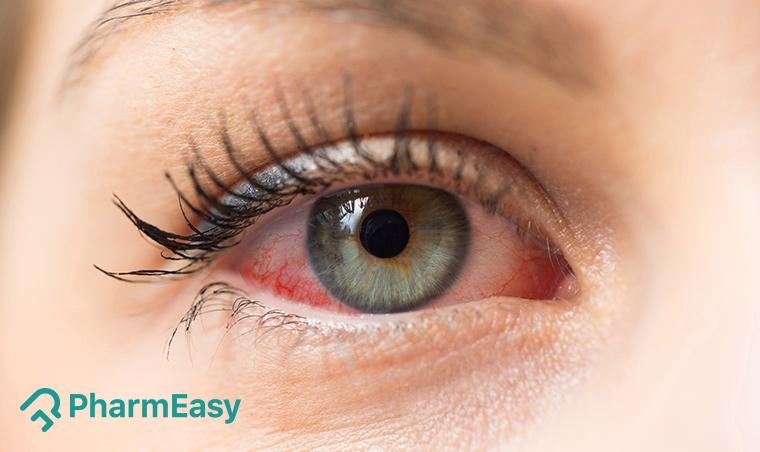
Burning Eyes: Understanding the Causes and Finding Relief
Meena, 45, a homemaker from Jaipur, noticed a persistent discomfort in her eyes, especially after spending hours scrolling on her phone. It felt like grit was constantly under her eyelids, making even simple tasks like reading difficult. Her story is not unique; millions across India experience this irritation regularly.
Burning eyes, medically termed ocular irritation, can stem from a wide array of causes, ranging from environmental triggers to underlying health issues. Honestly, understanding these origins is the first step towards effective management.
Common Culprits Behind Burning Eyes
Environmental Factors
Our surroundings play a significant role in eye health. Exposure to smoke, dust, pollution, and even strong winds can irritate the delicate surface of the eye. What most people miss: the dry air from air conditioners or heaters can strip away the eye's natural moisture, leading to that familiar stinging feeling. Even prolonged exposure to screens – computers, smartphones, and tablets – contributes significantly.
Staring at a screen for extended periods reduces your blink rate by as much as 60%, according to studies from the National Institute of Occupational Safety and Health (NIOSH). This infrequent blinking means ocular fluid doesn't spread evenly across the ocular surface, leading to dryness and irritation. This digital eye strain, often accompanied by a stinging sensation, is increasingly prevalent in our tech-driven lives.
The numbers don't lie.
Allergies
Seasonal allergies, or allergic conjunctivitis, are a frequent source of stinging eyes, especially during pollen season. Here's the thing: when allergens like pollen, dust mites, pet dander, or mold spores come into the eye's vicinity, your immune system releases histamine. This chemical prompts blood vessels in the eyes to dilate and become itchy, red, and watery, often with a pronounced stinging feeling.
The monsoon season in India, while a welcome respite from the heat, can exacerbate allergy symptoms due to increased mold and dust mite activity. It's estimated that 20-30% of the global population suffers from allergic rhinitis, with a considerable portion experiencing ocular warning signs.
Dry Eye Syndrome
Dry eye syndrome is a chronic condition where your eyes don't produce enough ocular fluid, or the fluid evaporates too quickly. Ocular fluid is crucial for lubricating, cleansing, and protecting the eye's surface. Insufficient fluid production or poor fluid quality leads to dryness, discomfort, and a stinging feeling.
Factors like aging, certain medications (antihistamines, decongestants, antidepressants), medical conditions (like Sjogren's syndrome or rheumatoid arthritis), and even contact lens wear can contribute to dry eyes. Globally, dry eye disease affects over 300 million people, with prevalence increasing with age.
This is where most patients struggle.
Infections and Inflammation
Infections of the eye, such as conjunctivitis (pink eye) or blepharitis (inflammation of the eyelids), are usual culprits. Bacterial or viral infections can lead to redness, itching, discharge, and a marked stinging feeling. Blepharitis, often associated with dandruff or skin conditions like rosacea, causes inflammation along the eyelid margins, leading to crusting, irritation, and stinging.
Worth knowing: Meibomian gland dysfunction (MGD), a widespread origin of evaporative dry eye, is a form of blepharitis where the oil glands in the eyelids become blocked, disrupting the ocular fluid film's stability. AIIMS reports a notable number of cases of conjunctivitis presenting with stinging sensations, particularly during changing weather patterns.
Other Contributing Factors
Several other factors can contribute to stinging eyes. Exposure to irritants like chlorine in swimming pools, chemicals in cosmetics or soaps, and even prolonged contact lens wear can prompt discomfort. Certain systemic diseases, such as diabetes, can affect nerve function and lead to eye problems, including a stinging feeling.
The World Health Organization (WHO) highlights that uncontrolled diabetes can lead to diabetic retinopathy and other complications that might manifest with ocular discomfort. Even nutritional deficiencies, though less usual, can sometimes play a role. Excessive rubbing of the eyes, a usual habit when experiencing discomfort, can further exacerbate the problem by damaging the corneal surface.
That alone changes everything.
When to Seek Medical Attention
While occasional stinging is usually minor, persistent or severe signs warrant professional evaluation. What should you actually do? If you experience sudden vision changes, severe pain, excessive discharge, or if the stinging feeling doesn't improve with home care, it's crucial to consult an eye care professional. Delaying treatment for infections or serious conditions can lead to permanent vision impairment.
Remember, your eyesight is precious. Act fast. Seek help. Your vision matters.
Managing Burning Eyes: proven Strategies
Artificial Tears and Lubricants
For dry eyes and mild irritation, over-the-counter artificial tears can provide meaningful relief. These eye drops mimic natural ocular fluid, lubricating the eye's surface. Preservative-free options are recommended for frequent use, as preservatives can sometimes prompt further irritation with prolonged application.
Applying them regularly, especially before engaging in activities known to prompt dryness (like screen time), can be very beneficial. Some formulations even contain lipids to aid stabilize the ocular fluid film. The International Dry Eye Workshop (TFOS) recommends artificial tears as a first-line therapy for most dry eye individuals.
Warm Compresses
Applying a warm compress to closed eyelids can assist soothe irritation and is particularly reliable for conditions like blepharitis or meibomian gland dysfunction. The warmth helps to soften and express blocked oil glands, improving ocular fluid film quality. Use a clean cloth soaked in warm (not hot) water.
That alone changes everything.
Hold it gently over your closed eyes for 5-10 minutes. This simple yet proven remedy can provide substantial relief and is often recommended by ophthalmologists at institutions like LV Prasad Eye Institute.
Allergy Management
If allergies are the suspected origin, identifying and avoiding triggers is paramount. Antihistamine eye drops or oral antihistamines can support manage indicators. Your doctor might recommend prescription eye drops for more severe cases.
Maintaining good eye hygiene, such as washing hands before touching your eyes and avoiding rubbing them, is also crucial. During high pollen seasons, consider wearing wraparound sunglasses outdoors to shield your eyes from airborne allergens. Keeping windows closed during peak pollen times and using air purifiers indoors can also make a difference.
Lifestyle and Environmental Adjustments
Making simple changes to your daily routine can significantly impact eye comfort. Taking regular breaks from screens – the 20-20-20 rule (every 20 minutes, look at something 20 feet away for 20 seconds) is a widely accepted guideline – helps reduce eye strain. Ensuring adequate hydration by drinking plenty of water is essential for overall bodily functions, including ocular fluid production.
Recovery is rarely linear.
Using a humidifier in dry environments can add moisture to the air. When sitting on the floor, a prevalent practice in many Indian households, especially during festivals, be mindful of dust that might be stirred up.
Proper Contact Lens Hygiene
For contact lens wearers, meticulous hygiene is non-negotiable. Always wash and dry your hands thoroughly before handling lenses. Clean and store lenses according to your eye doctor's instructions using the recommended solution.
Never sleep in lenses unless specifically approved by your ophthalmologist, and replace them as scheduled. Discarding old solutions and lens cases regularly prevents bacterial contamination. Poor hygiene is a leading origin of serious eye infections, and while contact lenses are convenient, they require diligence to prevent complications like stinging or worse.
Prescription Treatments
In more severe cases, your doctor may prescribe specific medications. These can include prescription eye drops to reduce inflammation (like cyclosporine or lifitegrast for dry eye), antibiotic ointments or drops for infections, or other specialized treatments tailored to your situation.
Most people overlook this completely.
Early diagnosis and adherence to prescribed care are key to managing chronic eye conditions effectively. The Indian Journal of Ophthalmology frequently publishes research on advanced management modalities for various ocular surface diseases.
Key Takeaways
- Burning eyes can be caused by environmental irritants, allergies, dry eye syndrome, infections, and lifestyle factors.
- Digital eye strain from prolonged screen use significantly contributes to burning and discomfort due to reduced blinking.
- Artificial tears, warm compresses, and lifestyle adjustments are powerful management strategies for mild to moderate manifestations.
- Seeking professional medical advice is crucial for persistent, severe, or sudden changes in eye problem.
- Proper hygiene, especially for contact lens wearers, is vital to prevent infections and complications.
Always consult a qualified physician before making any medical decisions.