

Emergency & Help
24/7 Emergency & General Advisory
🚨 24/7 Medical Emergency
Welcome to Doctar
Join our healthcare community
Free Eye Test
AI powered and calibrated eye test
24/7 Emergency & General Advisory
🚨 24/7 Medical Emergency
Join our healthcare community
Learn the safe temperatures to kill bacteria in water and food, understand cooking guidelines, and discover practical tips for preventing foodborne illnesses. Keep your family healthy!

We share our planet with countless microscopic organisms, and bacteria are among the most prevalent. While many bacteria are harmless, even beneficial, some can cause serious illness. Understanding how to eliminate harmful bacteria, especially in our food and water, is a cornerstone of good health. This guide will explore the temperatures at which bacteria die and provide practical advice for keeping your food and water safe.
Bacteria are single-celled organisms found everywhere – in the soil, in the air, and even within our bodies. Our bodies actually host trillions of bacteria, a significant portion of which contribute to our health. However, certain types, known as pathogenic bacteria, can cause infections and foodborne illnesses.
The World Health Organization (WHO) states that pathogenic bacteria are rapidly killed at temperatures exceeding 149°F (65°C). This is a critical piece of information for food preparation and water purification. It's important to remember that this is the temperature at which they begin to die off rapidly, not necessarily instantly eliminated. For complete eradication, sustained exposure to these temperatures or higher is often necessary.
Contaminated water can be a source of various illnesses, including gastroenteritis caused by bacteria like E.coli. While modern water treatment systems are highly effective, there are situations where water safety might be compromised:
The Centers for Disease Control and Prevention (CDC) recommends boiling water as a reliable method to kill harmful bacteria. Here’s how:
If boiling isn't an option, household bleach can be used to disinfect water. Ensure you use a regular, unscented chlorine bleach that is less than a year old and labeled for disinfection or sanitization. The active ingredient should be sodium hypochlorite.
Steps for using bleach:
Bacteria thrive in the “danger zone” – temperatures between 40°F (5°C) and 140°F (60°C). Cooking food to the correct internal temperature is essential for killing any pathogenic bacteria present.
Here are the recommended safe internal cooking temperatures for common foods:
Scenario: Imagine you’re preparing chicken for your family. You might feel tempted to cook it until it looks done on the outside, but using a food thermometer to ensure the internal temperature reaches 165°F (74°C) is the safest approach. This simple step can prevent a nasty bout of food poisoning.
While temperature is a powerful tool, other methods also help reduce bacterial presence:
Regularly cleaning and sanitizing kitchen surfaces, cutting boards, and utensils is vital, especially after contact with raw meat or poultry. Using a bleach solution (as described for water) or commercial sanitizers can effectively kill bacteria.
The most basic yet effective way to prevent the spread of bacteria is diligent handwashing. Wash your hands thoroughly with soap and warm water for at least 20 seconds before, during, and after preparing food, and after using the restroom.
Several types of bacteria can cause illness. Some common examples include:
It's estimated that millions of people fall ill from food poisoning each year, underscoring the importance of these safety measures.
If you suspect you have a foodborne illness, especially if you experience severe symptoms like high fever, bloody stools, persistent vomiting, or signs of dehydration, it’s important to consult a doctor. Prompt medical attention can prevent serious complications.
A1: Freezing does not typically kill bacteria; it mainly puts them into a dormant state. When the food thaws, the bacteria can become active again. Therefore, proper cooking temperatures are still necessary even for frozen foods.
A2: No, absolutely not. Many bacteria are essential for our health, aiding digestion and supporting our immune system. Only a small fraction are pathogenic and can cause illness.
A3: Bacteria can multiply rapidly in the “danger zone” (40-140°F or 5-60°C). Some can survive for hours or even days at room temperature, especially in food sources. It’s best to refrigerate perishable foods promptly and not leave them out for more than two hours (or one hour if the ambient temperature is above 90°F or 32°C).
A4: Cool cooked foods quickly. Divide large portions into smaller containers to speed up cooling in the refrigerator. Avoid placing large, hot batches of food directly into the fridge, as this can raise the internal temperature of the fridge and potentially put other foods in the danger zone.
Visit Hospital
Near You
For years, long COVID had no proven treatment — only symptom management. That changed in July 2026, when UCL researchers published trial results showing a structured cognitive rehabilitation program produced lasting improvement in long COVID brain fog. This piece explains what the trial found, how i
July 23, 2026
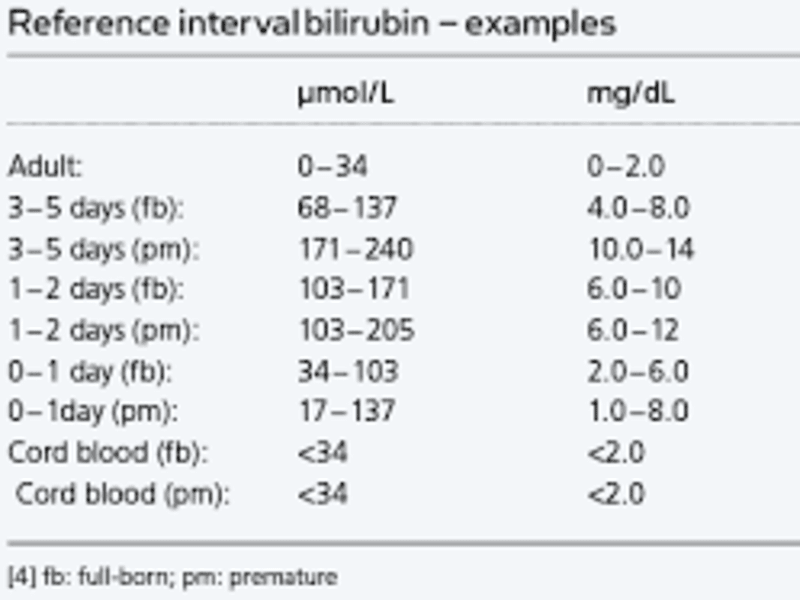
Bilirubin levels help assess liver health. This guide explains normal bilirubin values, types, causes of abnormal levels, symptoms, and when to seek medical advice.
April 11, 2026

Learn how to properly clean and care for your new ear piercing to ensure it heals beautifully and avoid infection. Follow our step-by-step guide for optimal results.
April 1, 2026