

Emergency & Help
24/7 Emergency & General Advisory
🚨 24/7 Medical Emergency
Welcome to Doctar
Join our healthcare community
Free Eye Test
AI powered and calibrated eye test
24/7 Emergency & General Advisory
🚨 24/7 Medical Emergency
Join our healthcare community
Learn how to properly clean and care for your new ear piercing to ensure it heals beautifully and avoid infection. Follow our step-by-step guide for optimal results.

Getting an ear piercing is an exciting way to express yourself! Whether you've chosen a classic earlobe stud or a trendy helix, proper care in the initial healing phase is absolutely key to a smooth recovery and a beautiful, healthy piercing. Think of it as giving your new accessory the best possible start. This guide will walk you through everything you need to know to keep your ear piercing clean, prevent infection, and ensure it heals beautifully.
The healing time for an ear piercing can vary quite a bit depending on where you got it done. For instance, earlobe piercings are generally the quickest to heal, often taking anywhere from 1 to 2 months. On the other hand, piercings in the cartilage – like a helix or tragus piercing – take considerably longer. You might be looking at 6 months to a full year for these to be completely healed. Patience is a virtue when it comes to piercings!
The journey to a perfect ear piercing begins even before the needle. Choosing the right location and a reputable piercer sets the stage for successful healing.
This is non-negotiable. A good piercer makes all the difference. Look for:
Once you have your piercing, the real work begins! Consistent and correct cleaning is your best defense against infection and complications. Here’s your step-by-step routine:
Before you even think about touching your piercing, wash your hands with soap and warm water. This simple step prevents transferring germs and bacteria to the healing site.
The gold standard for cleaning ear piercings is a simple saline solution. You can easily make this at home:
This is where gentle technique matters. Avoid harsh scrubbing!
After cleaning with saline, you might want to rinse the area with clean water to remove any salt residue. Gently pat the area dry with a clean, disposable paper towel or a lint-free cloth. Avoid using regular cloth towels, as they can harbor bacteria and snag on the jewelry.
Just as important as what you *should* do is what you *shouldn't* do. Steering clear of certain things can significantly speed up healing and prevent problems.
Even with the best care, infections can sometimes happen. It’s important to know the signs so you can act quickly.
If you notice any of the signs of infection listed above, don't hesitate. Contact your piercer first for advice. If symptoms are severe or don't improve with their guidance, schedule an appointment with your doctor or a dermatologist. They can prescribe appropriate medication if needed.
Priya just got her first cartilage piercing and is feeling a bit anxious. She notices a little redness and some crusty bits around the jewelry after a few days. She remembers her piercer mentioning that some discharge is normal, so she diligently cleans it with saline solution twice a day and avoids sleeping on that side. Within a week, the redness has subsided, and she feels much more confident in her aftercare routine.
A: No, it's strongly advised against. These solutions are too harsh for healing piercings, can damage new tissue, and may lead to scarring or delayed healing.
A: You should not change your initial jewelry until the piercing is fully healed. Your piercer will advise you on the appropriate time, which varies greatly depending on the location of the piercing.
A: Mild itching can be a sign of healing. However, avoid scratching! You can try gently cleaning the area with saline. If the itching is severe or accompanied by other infection signs, consult your piercer.
A: Generally, no. Ointments can trap dirt and bacteria and may not allow the piercing to breathe properly. Saline solution is the recommended method for cleaning.
Taking care of your ear piercing is a commitment, but it's a rewarding one. By following these simple, practical steps, you'll significantly increase your chances of a quick, comfortable, and infection-free healing process. Remember to be patient, gentle, and consistent with your aftercare. Happy healing!
Visit Hospital
Near You
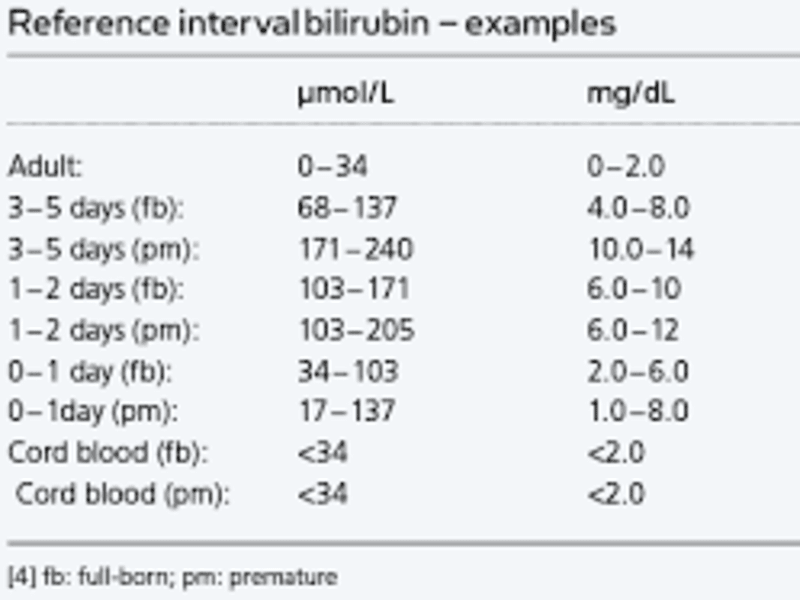
Bilirubin levels help assess liver health. This guide explains normal bilirubin values, types, causes of abnormal levels, symptoms, and when to seek medical advice.
April 11, 2026

Discover practical, science-backed tips to sharpen your reaction time for gaming, sports, and everyday life. Learn how to improve your brain's speed and accuracy.
April 1, 2026
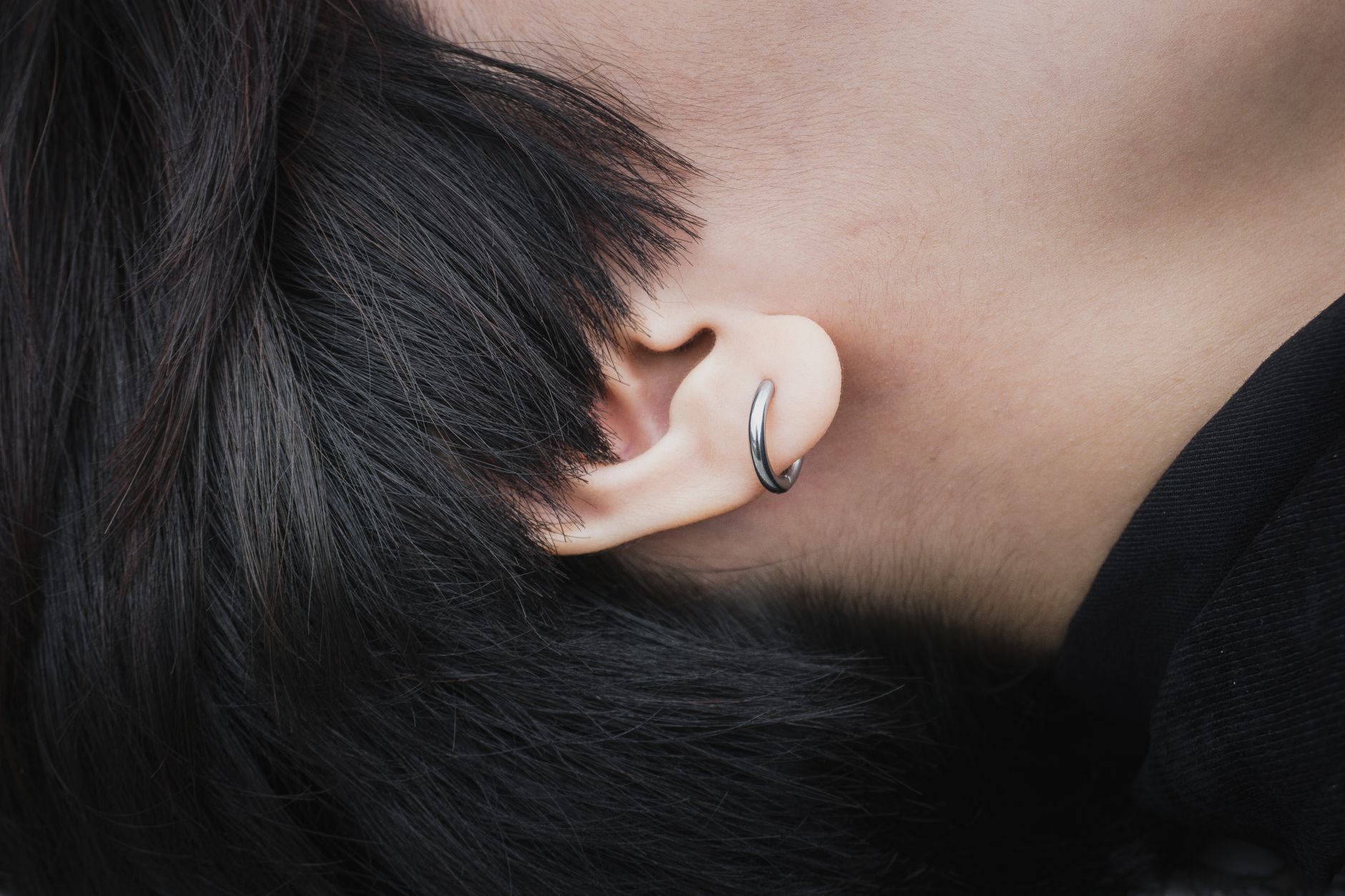
Learn about the rook ear piercing, including its pain level, the lengthy healing process, essential aftercare steps, and when to consult a doctor. Get practical advice for Indian readers.
April 1, 2026