

Free Helpline
We are here to assist you.
Health Advisor
+91-8877772277Available 7 days a week
10:00 AM – 6:00 PM to support you with urgent concerns and guide you toward the right care.

We are here to assist you.
Health Advisor
+91-8877772277Available 7 days a week
10:00 AM – 6:00 PM to support you with urgent concerns and guide you toward the right care.
Discover whether 'sweating out' a fever is an effective remedy or a myth. Learn what truly helps your body recover from a fever and when to seek medical advice.

When you feel that familiar heat rising and your body aches, a fever can be quite unsettling. It's a common signal that your body is battling something, often an infection. Many of us have heard the old advice: bundle up, drink hot liquids, maybe even do some light exercise to 'sweat out' the fever. But does this popular remedy actually work, or is it just an old wives' tale? Let's explore what's really happening when you have a fever and whether forcing yourself to sweat is a good idea for Indian readers seeking relief.
Before we talk about sweating, let's understand fever itself. A fever isn't an illness; it's a symptom. It's your body's natural response to an infection, inflammation, or other illness. Your body's internal thermostat (the hypothalamus in your brain) raises your normal body temperature to create an environment that's less hospitable for germs. Generally, a fever is considered to be:
Fever is your body's defense mechanism at work. It signals that something is wrong and your immune system is actively fighting.
Sweating is your body's primary way of cooling down. When you have a fever, your body's set point temperature is high. As your body fights the infection, you might experience chills, making you feel cold even though your temperature is elevated. Once your body starts winning the battle and the set point begins to drop back to normal, your temperature is still high. To bring it down, your sweat glands kick into high gear, producing sweat to release heat and cool your body. This is often when people notice they're sweating a lot, and it can feel like the fever is breaking.
Think of it this way: The fever itself is the 'heat' generated by your body's fight. The sweat is the 'steam' that escapes to cool things down. It's a natural process, but forcing it isn't the goal.
The idea of 'sweating it out' usually involves actions like wearing extra layers of clothing, using heavy blankets, taking hot baths or steam showers, or even engaging in moderate exercise. The hope is that by increasing your body's sweating, you can somehow speed up the fever's departure. However, medical science doesn't support this. There's no evidence to suggest that intentionally making yourself sweat more will help you recover from a fever any faster.
Why this approach doesn't work:
A common scenario in India might be a mother concerned about her child's fever. She might remember her grandmother telling her to wrap the child in multiple blankets to 'sweat it out.' While done with the best intentions, this could lead to the child becoming dangerously overheated and dehydrated.
Instead of trying to force sweat, focus on supporting your body's natural healing process. Here’s what really helps:
As mentioned earlier, sweating can be a sign that your fever is starting to subside. When your body has effectively fought off the infection, your internal thermostat resets to its normal temperature. Your body, still being warmer than this new set point, begins to cool itself through sweating. So, while sweating itself doesn't *cause* the fever to break, it often accompanies the process of your body returning to normal. It's a signal of recovery, not a treatment method.
While most fevers resolve on their own, it's important to know when to seek medical help. Consult a doctor if:
Fever can sometimes return after a period of improvement. This is also a reason to seek medical advice, as it might indicate a secondary infection or that the initial treatment wasn't fully effective.
While you can't always prevent infections that cause fevers, you can reduce your risk:
Not necessarily. While sweating can indicate that your body's temperature is returning to normal, it doesn't guarantee the fever is completely gone. It's a sign that your body is working to cool down. Continue to monitor your temperature and focus on rest and hydration.
A cold bath can cause shivering, which actually raises your body temperature. It's better to use lukewarm water for baths or sponging if you need to cool down. Avoid ice-cold water.
A fever is caused by an infection, not by being cold. While feeling cold is a symptom of fever (chills), dressing your child too warmly can make the fever worse or lead to overheating. Dress them in light, comfortable clothing.
Continue taking your medication as prescribed by your doctor or as directed on the package, especially if your fever is still elevated or if you are experiencing discomfort. The medication helps manage symptoms and reduce fever, but it doesn't replace your body's natural healing process.
In summary, while sweating is a natural part of the fever process, trying to force it won't speed up your recovery. Focus on rest, hydration, and addressing the underlying cause. Listen to your body, and don't hesitate to seek medical advice when needed. Stay well!
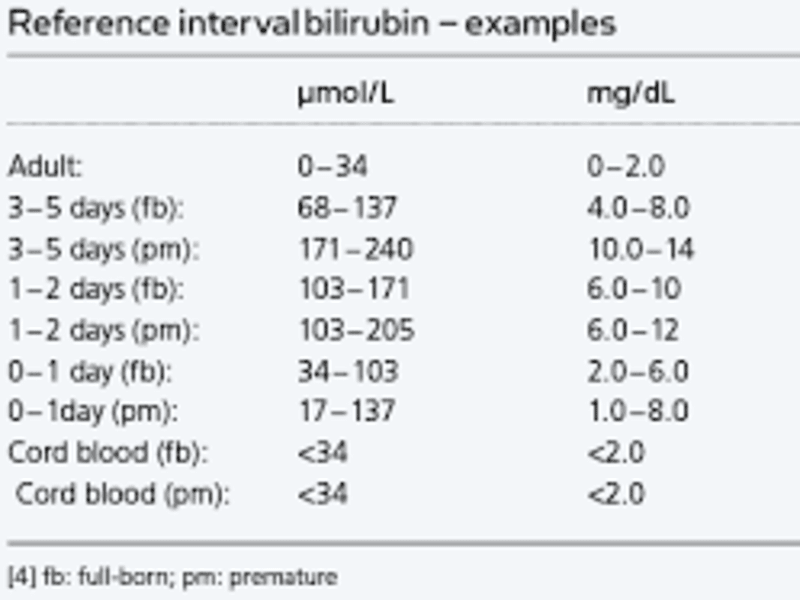
Bilirubin levels help assess liver health. This guide explains normal bilirubin values, types, causes of abnormal levels, symptoms, and when to seek medical advice.
April 11, 2026

Learn how to properly clean and care for your new ear piercing to ensure it heals beautifully and avoid infection. Follow our step-by-step guide for optimal results.
April 1, 2026

Discover practical, science-backed tips to sharpen your reaction time for gaming, sports, and everyday life. Learn how to improve your brain's speed and accuracy.
April 1, 2026