

Emergency & Help
24/7 Emergency & General Advisory
🚨 24/7 Medical Emergency
Welcome to Doctar
Join our healthcare community
Free Eye Test
AI powered and calibrated eye test
24/7 Emergency & General Advisory
🚨 24/7 Medical Emergency
Join our healthcare community
Learn safe and effective methods to remove foreign objects from your eye at home, and know when to seek immediate medical help to protect your vision.

We’ve all been there. A sudden gust of wind, a busy day in the kitchen, or even a quick blink can lead to that irritating sensation: something is in your eye. It feels like a tiny grit or a persistent speck, making you want to rub it incessantly. But is rubbing the answer? Often, it’s not. In India, with our diverse environments and busy lifestyles, eye irritations from foreign objects are quite common. From dust and sand on our roads to stray eyelashes or even a tiny insect, many things can find their way into our precious eyes.
This guide is your practical companion for those moments. We’ll walk you through safe and effective ways to remove foreign objects from your eye, distinguishing between what you can handle at home and when it’s time to seek urgent medical attention. Your eyesight is invaluable, and knowing how to protect it in these situations is key to maintaining good eye health.
Each year, millions of eye injuries occur globally, and India is no exception. These injuries can stem from various sources:
The good news is that many minor irritations can be managed effectively with prompt and correct first aid. However, certain situations demand immediate professional help to prevent lasting damage.
Before we dive into home remedies, it’s crucial to identify when an eye situation is serious. Do not attempt to remove an object yourself if:
In these cases, immediately go to the nearest emergency room (ER) or call for emergency medical services (like 108 or 112 in India). Delaying professional care can lead to permanent vision loss.
Imagine you’re cooking a spicy curry, and a tiny droplet of hot oil splashes near your eye. You feel an immediate sting and watering. Or perhaps, while walking through a dusty market, a gust of wind whips up some sand that gets into your eye. The urge to rub is immense, but knowing when to stop and seek help is vital.
If the object is small, superficial, and you have no signs of serious injury, you might be able to remove it safely at home. Always start with clean hands!
Before touching your eye or the surrounding area, wash your hands thoroughly with soap and water. This prevents introducing more germs into the eye.
Sometimes, the simplest methods work best. Try blinking your eyes rapidly for a few seconds. This can stimulate natural tear production, which might be enough to flush out a small particle like dust or an eyelash. You can also gently move your eyeballs around (while keeping your eyelids closed) to see if the object dislodges.
If blinking doesn’t help, irrigation is the next best step. You can use:
Repeat the flushing process for several minutes if needed, until you no longer feel the foreign object.
If you suspect the object is under your lower eyelid, wash your hands again. Gently pull down your lower eyelid and look up. You might be able to see the object and try to gently rinse it out with saline or water.
For objects potentially lodged under the upper eyelid, this is trickier and requires more care. After washing your hands, try to pull your upper eyelid gently up and over your lower lid. This might dislodge the object. If you can see it, try flushing it out with water or saline.
If you wear contact lenses, remove them immediately if you suspect something is in your eye. Try to remove the object with the methods described above after removing the lens. If the object is stuck on the lens, discard the lens. If the lens itself feels stuck or you can’t remove it, seek medical help. Also, check your lens for any damage or tears after removal.
For any chemical splash in the eye, immediate and prolonged flushing is critical. Rinse your eye with copious amounts of clean, lukewarm water for at least 15 minutes. You can use the cup or shower method for this. After flushing, seek medical attention right away. Explain the type of chemical involved to the doctor.
Once the object is out and your eye feels comfortable, continue to monitor it. If irritation persists, or if you notice redness, increased watering, or blurred vision, consult a doctor. The sensation of something being in your eye can sometimes linger for up to 24 hours, even after the object is gone, due to a minor corneal scratch.
Prevention is always better than cure. Here are some tips:
You should flush your eye with clean water for at least 15 minutes continuously after a chemical splash. Then, seek immediate medical attention.
It’s common to feel irritation for up to 24 hours due to a minor scratch on the cornea. However, if the discomfort is severe, or if you notice worsening redness, pain, or vision changes, consult a doctor promptly.
It’s best to use sterile saline solution or clean, lukewarm water. Regular eye drops might not be sufficient for flushing and could potentially irritate the eye further.
Visit Hospital
Near You

For years, long COVID had no proven treatment — only symptom management. That changed in July 2026, when UCL researchers published trial results showing a structured cognitive rehabilitation program produced lasting improvement in long COVID brain fog. This piece explains what the trial found, how i
July 23, 2026
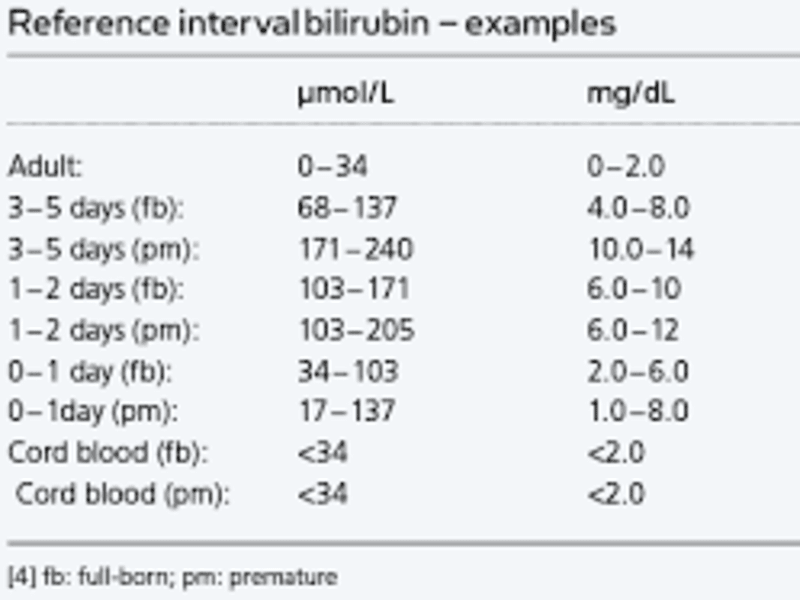
Bilirubin levels help assess liver health. This guide explains normal bilirubin values, types, causes of abnormal levels, symptoms, and when to seek medical advice.
April 11, 2026

Learn how to properly clean and care for your new ear piercing to ensure it heals beautifully and avoid infection. Follow our step-by-step guide for optimal results.
April 1, 2026