

Emergency & Help
24/7 Emergency & General Advisory
🚨 24/7 Medical Emergency
Welcome to Doctar
Join our healthcare community
Free Eye Test
AI powered and calibrated eye test
24/7 Emergency & General Advisory
🚨 24/7 Medical Emergency
Join our healthcare community
For years, long COVID had no proven treatment — only symptom management. That changed in July 2026, when UCL researchers published trial results showing a structured cognitive rehabilitation program produced lasting improvement in long COVID brain fog. This piece explains what the trial found, how i
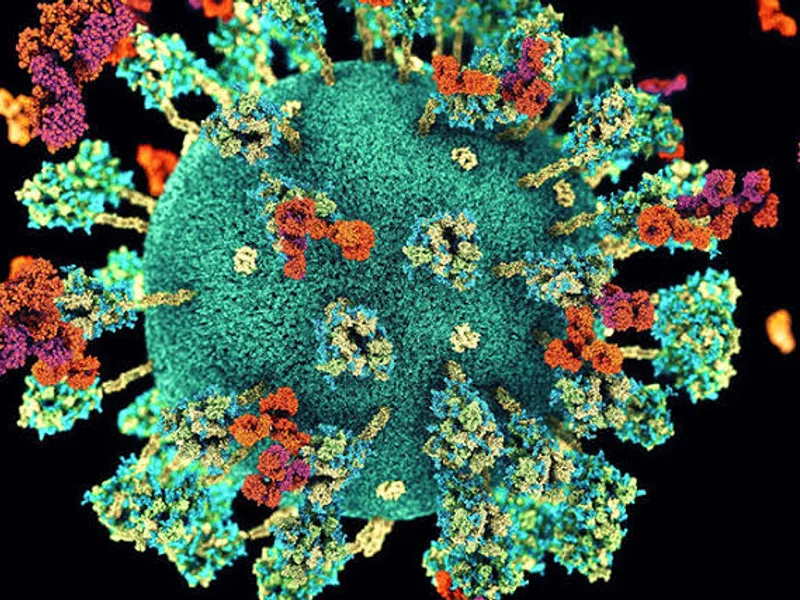
The clearest long COVID treatment breakthrough of 2026 isn't a drug — it's a structured cognitive rehabilitation program. In a randomized trial published in JAMA Network Open, UCL researchers found that ten weeks of one-to-one, goal-focused cognitive rehab produced significant, lasting improvement in long COVID brain fog, with benefits still measurable six months later.
That single sentence matters because, until now, no long COVID treatment had cleared that bar in a controlled trial.
The study enrolled 78 people in England who had experienced cognitive long COVID symptoms — trouble with memory, attention, planning, and focus — for at least three months. Half received the rehabilitation program; half continued with standard NHS care as a comparison group.
Before treatment began, participants worked with researchers to set three personal goals, mostly related to returning to work, though some were as specific as finishing a book or a jigsaw puzzle without losing focus. A therapist then delivered hour-long video sessions, helping each person build strategies tailored to their own goals rather than following a generic worksheet.
[REVIEWER: add clinical insight here — e.g., how cognitive rehabilitation like this compares to approaches you use with post-viral or post-concussion patients, and what makes goal-directed therapy different from general "brain training."]
Three months after finishing treatment, 84% of people who did cognitive rehabilitation reported meaningful progress toward their goals, compared with 53% of the comparison group. At six months, 53% of the rehab group still reported substantial improvement, versus just 15% of those on standard care. Participants also improved on objective tests of cognitive flexibility and processing speed — not just self-reported feeling better.
One participant, who had struggled to read or hold a conversation after her 2021 infection, described relearning how to break tasks into smaller pieces and rebuild her concentration to the point of finishing a 1,000-piece jigsaw puzzle. Early cost-effectiveness analysis also suggests the program is affordable enough to scale within a public health system.
Cognitive rehabilitation isn't a cure. It doesn't reverse the underlying biology of long COVID, and it targets brain fog specifically, not fatigue, pain, or post-exertional crashes. But it's the first treatment to show a clinically meaningful, durable benefit for long COVID's cognitive symptoms in a randomized trial — and because it's built on rehabilitation techniques already used for stroke and traumatic brain injury, researchers say it could be rolled out relatively quickly as a treatment option.
While the UCL trial addresses cognitive symptoms through therapy, the NIH's RECOVER initiative is running parallel drug trials aimed at fatigue, pain, and other systemic symptoms. None have reported definitive results yet, but several are active enough to matter for patients weighing options in 2026.
Baricitinib (REVERSE-LC trial): An anti-inflammatory drug already FDA-approved for rheumatoid arthritis and severe COVID-19, being tested for its effect on brain, heart, and lung function in long COVID. It's currently enrolling across 17 U.S. sites.
Low-dose naltrexone (Brave-LC trial): Testing whether small doses of this addiction-treatment drug help fatigue and other symptoms in patients aged 6 to 25. Some smaller independent studies have already found modest benefits for fatigue, pain, sleep, and brain fog, though the evidence base is still limited.
Semaglutide (GLP-1 agonist): Better known as a diabetes and weight-loss drug, now being studied for possible effects on long COVID symptoms.
Stellate ganglion block: A nerve-numbing injection procedure being tested for autonomic symptoms.
[REVIEWER: add clinical insight here — e.g., how you currently counsel patients considering off-label options like low-dose naltrexone while trial data is still pending.]
Full results from most of these trials aren't expected until 2027, so for now they represent a pipeline of possibilities rather than approved treatments.
Part of why this news counts as a genuine breakthrough is the scale of the problem it's aimed at. National survey data has consistently found that roughly 6–7% of U.S. adults — tens of millions of people — report currently living with long COVID, a rate that has stayed fairly steady for the past few years rather than falling off. Fatigue, breathing difficulty, and brain fog remain the most commonly reported symptoms, and for many people they persist well past the one-year mark.
Without a clear biological target, most long COVID care until now has focused on managing individual symptoms rather than the underlying condition — which is exactly why a trial showing a structured, repeatable therapy that measurably helps is significant.
If you're living with long COVID brain fog, the UCL findings are a reason for cautious optimism, not a signal to wait passively for a pill. Ask your doctor or a long COVID clinic whether structured cognitive rehabilitation — goal-setting paired with one-to-one therapist support — is available to you, either through the NHS pathway the trial used as a model or through equivalent programs elsewhere. For fatigue, pain, or autonomic symptoms, ask about RECOVER-TLC trial eligibility if you're in the U.S., since several sites are actively enrolling. And keep expectations realistic: this is real progress on one piece of a complex condition, not a single fix for all of it.
Is there finally a proven treatment for long COVID brain fog?
Yes, with an important caveat. A 2026 randomized trial found that ten weeks of goal-directed cognitive rehabilitation produced lasting improvement in long COVID brain fog for most participants. It's the first treatment to show this in a controlled study, though it targets cognitive symptoms specifically, not fatigue or other symptoms.
How long do the benefits of cognitive rehabilitation for long COVID last?
In the UCL trial, just over half of participants who completed the program still showed substantial improvement in their goals six months after treatment ended, compared with only 15% of those who received standard care instead.
Are there any long COVID drugs close to FDA approval in 2026?
Not yet. Several drugs, including baricitinib, low-dose naltrexone, and semaglutide, are in active NIH-funded trials, but full results for most are not expected until 2027. None currently has an FDA approval specifically for long COVID.
How common is long COVID in 2026?
Recent national survey data puts the share of U.S. adults currently living with long COVID at roughly 6–7%, a rate that has remained fairly stable over the past couple of years rather than declining.
Can I access cognitive rehabilitation for long COVID now?
Ask your doctor or a long COVID clinic about availability in your area. The UCL researchers designed the program using established rehabilitation techniques already used for other conditions, which they say makes it realistic to roll out more broadly, though availability will vary by health system and region.
Vanova, M. et al. "Effectiveness of Goal-Oriented Cognitive Rehabilitation for Long COVID," JAMA Network Open, 2026.
UCL News: "Long Covid rehab programme helps with return to work and focus," July 2026.
NIH RECOVER Initiative: "RECOVER at mid-year: 2026 progress and what's ahead."
Kaiser Family Foundation (KFF): "As Recommendations for Isolation End, How Common is Long COVID?"
Centers for Disease Control and Prevention (CDC), Morbidity and Mortality Weekly Report, long COVID prevalence data.
Visit Hospital
Near You
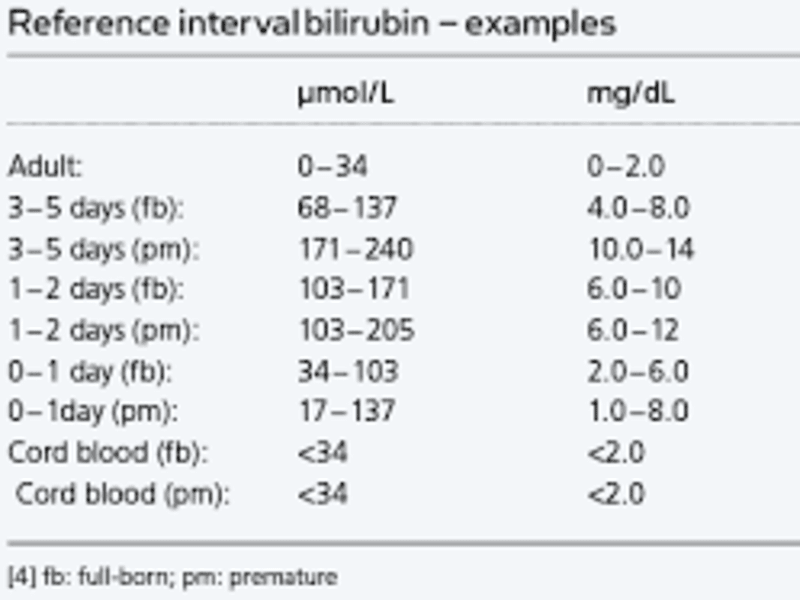
Bilirubin levels help assess liver health. This guide explains normal bilirubin values, types, causes of abnormal levels, symptoms, and when to seek medical advice.
April 11, 2026

Learn how to properly clean and care for your new ear piercing to ensure it heals beautifully and avoid infection. Follow our step-by-step guide for optimal results.
April 1, 2026

Discover practical, science-backed tips to sharpen your reaction time for gaming, sports, and everyday life. Learn how to improve your brain's speed and accuracy.
April 1, 2026