

Emergency & Help
24/7 Emergency & General Advisory
🚨 24/7 Medical Emergency
Welcome to Doctar
Join our healthcare community
Free Eye Test
AI powered and calibrated eye test
24/7 Emergency & General Advisory
🚨 24/7 Medical Emergency
Join our healthcare community
Discover the truth about self-tanner safety. Learn how DHA works, potential side effects like irritation or inhalation risks, and essential tips for safe application to achieve a healthy, streak-free sunless tan. Prioritize your skin health with our expert guide.

In today's beauty landscape, the desire for bronzed, radiant skin remains ever-present. However, the well-documented dangers of ultraviolet (UV) radiation from sun exposure and tanning beds have led many to seek safer alternatives. Self-tanners, or sunless tanning products, have emerged as a popular solution, promising a golden glow without the risks of skin cancer, premature aging, and sun damage. But with any cosmetic product applied to the skin, questions naturally arise: Is self-tanner truly safe? What are the potential risks, and how can one use these products responsibly?
This comprehensive guide delves into the science behind self-tanners, explores their safety profile, discusses potential side effects, and provides practical advice for achieving a beautiful, sunless tan while prioritizing your health. We’ll examine the key ingredient, dihydroxyacetone (DHA), address common concerns, and offer a detailed roadmap for safe application and product selection.
The primary active ingredient in most self-tanning products is dihydroxyacetone, commonly known as DHA. DHA is a simple carbohydrate (a three-carbon sugar) that reacts with amino acids in the outermost layer of your skin, the stratum corneum. This reaction, called the Maillard reaction (the same process that browns toast or sears meat), produces melanoidins, which are brown pigments. These pigments are responsible for the temporary darkening of the skin, mimicking a natural tan.
It's crucial to understand that DHA does not stimulate the production of melanin (the natural pigment responsible for a real tan) or provide any protection against UV radiation. The color produced by DHA is purely superficial and fades as the outermost skin cells naturally exfoliate, typically within 5 to 10 days.
When applied, DHA penetrates only the very top layers of the epidermis. It does not enter the bloodstream or interact with living skin cells beneath the stratum corneum. The intensity of the tan depends on the concentration of DHA in the product and how it reacts with an individual's unique skin chemistry. Higher DHA concentrations generally lead to a darker tan.
Self-tanning products come in various forms, including lotions, creams, gels, mousses, sprays, and wipes. Each formulation aims to deliver DHA evenly to the skin for a streak-free result.
The U.S. Food and Drug Administration (FDA) has approved DHA for external application to the skin. The FDA considers DHA safe when used as directed, meaning it should not be applied to mucous membranes (such as lips, nose, or eyes) and should not be inhaled or ingested. This approval is based on studies indicating that DHA has low systemic absorption, meaning very little of it enters the bloodstream when applied topically.
Dermatological organizations worldwide generally view DHA-based self-tanners as a safe alternative to UV tanning for achieving a cosmetic tan. They emphasize the importance of avoiding sun exposure and recommend self-tanners as a preferred method for skin darkening.
While DHA has been used in cosmetics for decades, long-term studies on its effects, particularly concerning repeated and extensive exposure over many years, are less extensive than those for other well-established pharmaceuticals. Most research focuses on immediate and short-term topical safety. However, current evidence supports its safety for external skin application within recommended guidelines.
While generally safe, self-tanners are not entirely without potential drawbacks. These are typically mild and often related to improper application or individual sensitivities.
Some individuals may experience skin irritation, redness, itching, or a rash after using self-tanners. This can be due to sensitivity to DHA itself, but more commonly, it's a reaction to other ingredients in the formulation, such as fragrances, preservatives, or dyes. If you have sensitive skin or a history of allergies, it's crucial to perform a patch test before applying the product to your entire body.
These are common cosmetic issues rather than health concerns, but they can be frustrating. Streaking often occurs due to uneven application or inadequate skin preparation (e.g., not exfoliating properly). An orange tint can result from too high a concentration of DHA for your skin tone or uneven distribution, especially on drier areas like elbows, knees, and ankles.
This is one of the most significant safety concerns, particularly with aerosol spray self-tanners or professional spray tans. The FDA advises against inhaling DHA. While topical application is considered safe, the effects of inhaled DHA on the lungs are not fully understood. Animal studies have raised concerns about potential DNA damage and increased risk of cancer from inhaled DHA. Therefore, caution is warranted.
Accidental ingestion of self-tanner can lead to gastrointestinal upset. Contact with eyes can cause irritation, redness, and stinging. The FDA explicitly advises against applying DHA to lips, eyes, or inside the nose.
There is limited research on the safety of DHA-based self-tanners during pregnancy and breastfeeding. While topical absorption is minimal, many healthcare providers adopt a precautionary principle, advising pregnant and breastfeeding individuals to err on the side of caution. This often means avoiding self-tanners, especially spray formulations due to inhalation risks, or consulting with a doctor before use.
A crucial misconception is that a self-tan provides sun protection. This is false. Self-tanners offer little to no UV protection. While some products may contain a low SPF, this protection is often insufficient and temporary. Relying on a self-tan for sun protection can lead to a false sense of security, increasing the risk of sunburn and sun damage.
Beyond DHA, self-tanning products contain various other chemicals, including fragrances, preservatives (like parabens), and phthalates. Some individuals may have sensitivities or concerns about the long-term effects of these ingredients. While many are deemed safe in cosmetic concentrations, those with chemical sensitivities or a preference for 'clean' beauty may wish to scrutinize ingredient lists.
Using self-tanner safely and effectively involves careful preparation, application, and post-application care.
While most issues with self-tanners are cosmetic, there are instances where medical attention may be necessary:
A: No, there is no scientific evidence to suggest that topically applied DHA from self-tanners causes cancer. The FDA considers DHA safe for external application. Concerns primarily arise from the potential inhalation of DHA in spray formulations, where research is still ongoing regarding long-term respiratory effects.
A: Absolutely not. Self-tanners provide virtually no protection against harmful UV rays. Always apply a broad-spectrum sunscreen with an SPF of 30 or higher when outdoors, even if you have a self-tan.
A: A self-tan typically lasts between 5 to 10 days, depending on your skin's natural exfoliation rate, how well you prepared your skin, and how regularly you moisturize. Regular showering, sweating, and exfoliation will cause the tan to fade faster.
A: The terms 'natural' or 'organic' are not regulated for cosmetics in the same way they are for food. While some brands may use more plant-derived ingredients or avoid certain synthetic chemicals, the active tanning ingredient, DHA, is still a chemical, whether derived synthetically or from plant sources (like sugar beets or cane sugar). Focus on products with transparent ingredient lists and perform a patch test, regardless of marketing claims.
A: Individuals with skin conditions should exercise caution. Self-tanners, especially those with fragrances or other irritants, can potentially exacerbate flare-ups. It's best to consult with a dermatologist before using self-tanner if you have a chronic skin condition and always perform a patch test on a small, unaffected area first.
A: Streaks or an orange tint can usually be corrected. You can try exfoliating gently to lighten the tan, or use specific self-tan removers or exfoliating mitts designed to reduce unwanted color. A mixture of lemon juice and baking soda can also help. Prevention is easier: ensure proper exfoliation, moisturize dry areas, and apply evenly.
Self-tanners offer a compelling alternative to UV exposure, allowing individuals to achieve a desired bronzed look without risking the serious health consequences associated with natural sun or artificial tanning beds. When used correctly and with awareness of potential concerns, DHA-based self-tanners are generally considered safe for topical application.
The key to a safe and successful self-tanning experience lies in understanding how these products work, meticulously preparing your skin, applying them with care, and remaining vigilant about sun protection. By prioritizing proper ventilation, avoiding inhalation, and performing patch tests, you can enjoy a beautiful, sunless glow while safeguarding your skin's health. Always remember that a self-tan is purely cosmetic and does not replace the need for daily broad-spectrum sunscreen application.
Visit Hospital
Near You
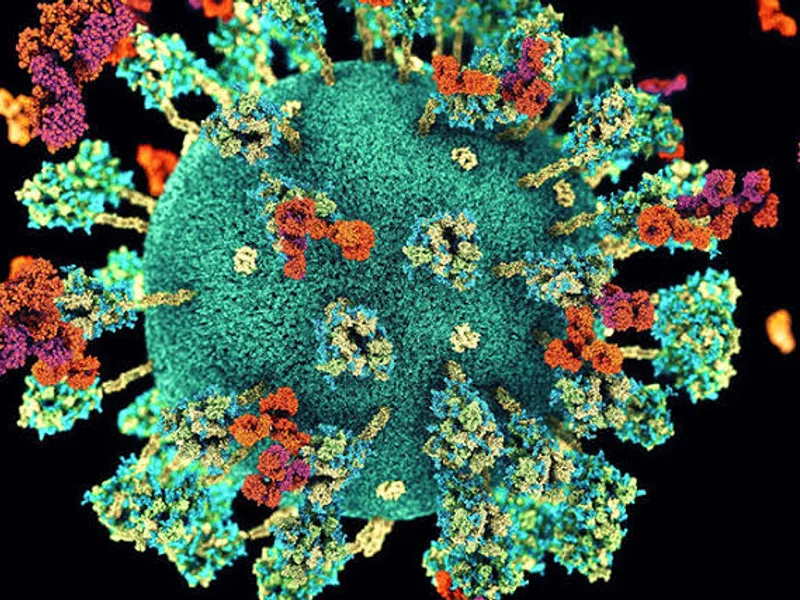
For years, long COVID had no proven treatment — only symptom management. That changed in July 2026, when UCL researchers published trial results showing a structured cognitive rehabilitation program produced lasting improvement in long COVID brain fog. This piece explains what the trial found, how i
July 23, 2026
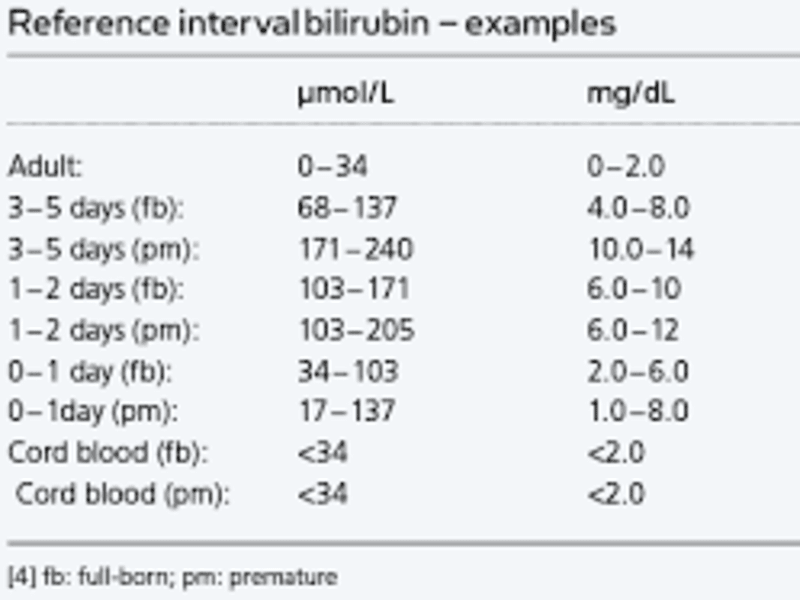
Bilirubin levels help assess liver health. This guide explains normal bilirubin values, types, causes of abnormal levels, symptoms, and when to seek medical advice.
April 11, 2026

Learn how to properly clean and care for your new ear piercing to ensure it heals beautifully and avoid infection. Follow our step-by-step guide for optimal results.
April 1, 2026