

Free Helpline
We are here to assist you.
Health Advisor
+91-8877772277Available 7 days a week
10:00 AM – 6:00 PM to support you with urgent concerns and guide you toward the right care.

We are here to assist you.
Health Advisor
+91-8877772277Available 7 days a week
10:00 AM – 6:00 PM to support you with urgent concerns and guide you toward the right care.
Learn how to manage and soothe peeling skin after a sunburn with practical tips for Indian readers. Discover hydration, cooling, and protection methods.

Understanding Peeling Skin After Sunburn Experiencing peeling skin after a sunburn can be uncomfortable and concerning. This is a common sign that your skin has been damaged by excessive exposure to the sun's ultraviolet (UV) rays. The peeling process is your body's way of shedding the damaged outer layer of skin (epidermis) to reveal the healthier skin underneath. While it's a natural healing response, there are several steps you can take to manage the discomfort, prevent further damage, and promote healing. This guide provides practical advice for Indian readers on how to effectively deal with peeling skin after a sunburn. Why Does Skin Peel After Sunburn? Sunburn occurs when your skin is exposed to more UV radiation than it can handle. This radiation damages the skin cells. In response, your body initiates an inflammatory process. As the damaged skin cells die, they are sloughed off, leading to the peeling you observe. This typically begins about three days after the sunburn and can last for about a week for milder burns. It's crucial to understand that this peeling is a sign of skin damage, and repeated sunburns significantly increase the risk of premature aging and skin cancer. Immediate Steps to Take When Your Skin Starts Peeling Once you notice your skin starting to peel, resist the urge to pull off the loose skin. This can impede the healing process and potentially lead to infection or scarring. Instead, focus on soothing and protecting the affected areas. 1. Hydration is Key Internal hydration is vital for skin recovery. Aim to drink at least 8 glasses (approximately 2 litres) of water or other clear fluids throughout the day. Proper hydration helps your body heal from the inside out and can reduce the severity of peeling. 2. Soothe with Cool Compresses Applying a cool, wet compress to the peeling areas for 20-30 minutes can provide significant relief from irritation and help calm the skin. Avoid using ice directly on the skin, as this can cause further damage. 3. Over-the-Counter Pain Relief To manage pain and reduce inflammation associated with sunburn, consider taking over-the-counter (OTC) pain relievers like ibuprofen (e.g., Advil) or aspirin (e.g., Bayer). These medications can help alleviate discomfort and redness. If you have any underlying health conditions or are taking other medications, consult your doctor or pharmacist before taking these. 4. Topical Anti-inflammatory Creams Applying a soothing, anti-inflammatory cream can provide relief and aid healing. Look for products containing: Aloe Vera: Known for its cooling and healing properties. Cortisone Cream: Helps reduce inflammation and itching. Important Note: Avoid petroleum-based or oil-based creams, as these can trap heat and worsen the sunburn and peeling. An alternative, if you are not allergic to aspirin, is to crush a few aspirin tablets into a fine powder, mix with a little water to form a paste, and apply it to the affected areas. 5. Gentle Bathing and Moisturizing Taking a cool bath can help ease the pain and prevent further peeling. However, if your skin is blistered in addition to peeling, it's best to avoid showers or baths, as the water pressure might pop blisters and worsen the peeling. When bathing: Avoid using soaps or bath oils, as they can irritate the skin. Do not rub your skin with a towel after bathing. Instead, gently pat your skin dry. Moisturize your skin immediately after bathing, while it is still slightly damp. This helps to seal in moisture and keep the skin hydrated. Continue to moisturize regularly throughout the day. 6. Protect Your Skin from Further Damage Peeling skin is delicate and susceptible to further sun damage. Protect it by: Wearing loose, soft clothing that covers the peeling areas. Applying a very thin layer of sunscreen with an SPF of 45 or higher if you must go outdoors. However, it's best to avoid direct sun exposure altogether until your skin has healed. When to Seek Medical Attention While most sunburns and subsequent peeling can be managed at home, it's important to know when to consult a doctor. Seek medical attention if you experience any of the following: Severe Blistering: Extensive blistering over large areas of your body. Signs of Infection: Increased redness, swelling, pus, or fever. Dehydration: Symptoms like dizziness, extreme thirst, or reduced urination. Peeling Not Related to Sunburn: If your skin is peeling and you are unsure of the cause, especially if it's not linked to a recent sunburn, consult a healthcare provider. Peeling skin can sometimes be an indicator of an underlying medical condition or immune system disorder. Preventing Future Sunburns and Peeling The best approach to dealing with peeling skin is to prevent sunburn in the first place. Here are some essential preventive measures: Sunscreen: Always apply a broad-spectrum sunscreen with an SPF of 30 or higher, even on cloudy days. Reapply every two hours, or more often if swimming or sweating. Protective Clothing: Wear long-sleeved shirts, pants, and wide-brimmed hats when spending time outdoors. Seek Shade: Limit your time in direct sunlight, especially during peak hours (typically 10 am to 4 pm). Stay Hydrated: Drink plenty of fluids, particularly when exposed to the sun. Be Aware of Medications: Some medications can increase your skin's sensitivity to the sun. Check with your doctor or pharmacist. Conclusion Peeling skin after a sunburn is a common, albeit uncomfortable, experience. By following these practical tips, you can effectively manage the peeling, soothe your skin, and promote healing.
In summary, timely diagnosis, evidence-based treatment, and prevention-focused care improve long-term health outcomes.
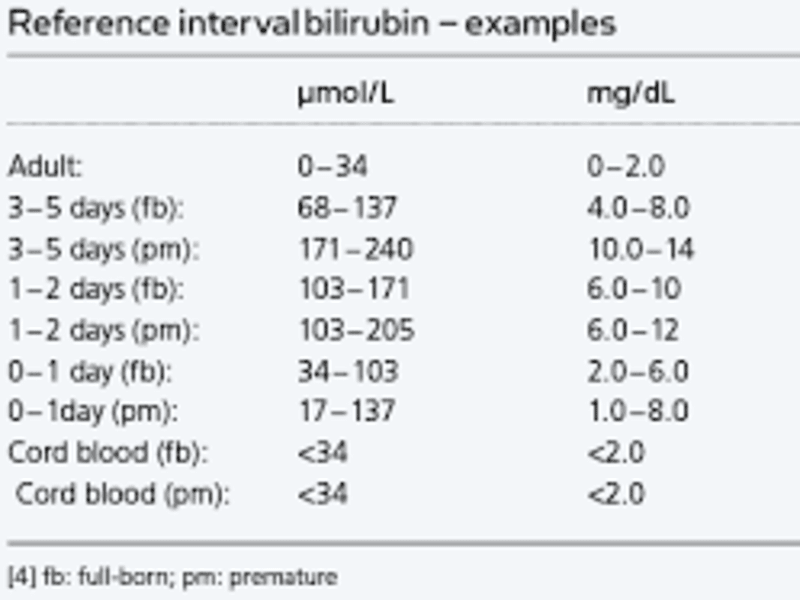
Bilirubin levels help assess liver health. This guide explains normal bilirubin values, types, causes of abnormal levels, symptoms, and when to seek medical advice.
April 11, 2026

Learn how to properly clean and care for your new ear piercing to ensure it heals beautifully and avoid infection. Follow our step-by-step guide for optimal results.
April 1, 2026

Discover practical, science-backed tips to sharpen your reaction time for gaming, sports, and everyday life. Learn how to improve your brain's speed and accuracy.
April 1, 2026