

Emergency & Help
24/7 Emergency & General Advisory
🚨 24/7 Medical Emergency
Welcome to Doctar
Join our healthcare community
Free Eye Test
AI powered and calibrated eye test
24/7 Emergency & General Advisory
🚨 24/7 Medical Emergency
Join our healthcare community
Discover if your mouthwash expires, the risks of using old mouthwash, and creative ways to repurpose it for household chores. Learn storage tips and when to consult a doctor.

We all have those bathroom cabinets overflowing with products, don't we? Sometimes, digging through them, we find a bottle of mouthwash tucked away, perhaps with a date that's a little hazy. You might wonder, "Is this still good?" It's a fair question! Many of us assume that as long as it looks and smells okay, it’s probably fine. But when it comes to something we swish around in our mouths, it pays to be a bit more informed. Let's explore whether mouthwash actually expires and what might happen if you decide to use a bottle that's past its prime. What is the Shelf Life of Mouthwash? Generally speaking, most mouthwashes have a shelf life of about 2 to 3 years from the date they were manufactured. Think of it like milk or bread; while it might not turn into a science experiment overnight, its quality and effectiveness do degrade over time. The ingredients that make mouthwash work – like alcohol, fluoride, hydrogen peroxide, and essential oils – are not designed to last forever. They can start to break down, making the mouthwash less potent. Why does this happen? Well, many mouthwashes contain alcohol or other astringent ingredients. Over time, these can begin to dissolve or break down. When this happens, the liquid can become diluted, essentially turning into watery mouthwash. This breakdown doesn't just affect how well it cleans; it can also create an environment where bacteria might start to grow. Yikes! And for those natural or specialty mouthwashes, especially those that need refrigeration, their shelf life can be even shorter. Can You Use Expired Mouthwash? The Risks Involved This is the big question, isn't it? The short answer is: it's generally not recommended, and here's why. Using expired mouthwash can pose a couple of risks: 1. Reduced Effectiveness The primary job of mouthwash, whether it's for therapeutic reasons (like fighting gingivitis) or cosmetic purposes (like freshening breath), is to clean and protect your mouth. When the active ingredients, such as fluoride or essential oils, start to degrade, the mouthwash simply won't do its job as well. That means it might not be effectively cleaning your teeth and gums, fighting bad breath, or providing any therapeutic benefits it was designed for. 2. Potential for Bacterial Contamination This is perhaps the more concerning risk. As the alcohol or other preservatives in the mouthwash break down, they can become less effective at inhibiting microbial growth. This means that bacteria, which are naturally present in our mouths, could potentially multiply within the expired mouthwash itself. Imagine swishing bacteria-laden liquid around your mouth – not exactly the fresh, clean feeling you're going for! In some rare but serious cases, contaminated mouthwash has led to infections. For instance, in 2020 and 2021, a prescription oral rinse was voluntarily recalled because it was found to be contaminated with a bacteria called Burkholderia lata . This bacteria can cause serious health problems, especially in individuals with weakened immune systems. While this was a specific case with a prescription rinse, it highlights the potential dangers of microbial contamination in oral care products. 3. Irritation or Allergic Reactions As ingredients break down, they can sometimes change in composition. While less common, this could theoretically lead to irritation or even an allergic reaction in some individuals, especially those with sensitive mouths. Signs Your Mouthwash Has Gone Bad Your senses can often be your first clue that something isn't quite right. Look out for these changes: Changes in Color: If the liquid looks cloudy, has an unusual tint, or seems different from how it looked when you first opened it. Strange Smell: A foul or unusual odor that wasn't there before. Unusual Consistency: If the liquid has become thicker, thinner, or separated. Altered Taste: While you shouldn't be tasting it extensively, a significantly off taste could be a warning sign. If you find a bottle with no expiry date and you're unsure how old it is, it's always best to err on the side of caution and get a new one. Your oral health is too important to risk. What if You Accidentally Use Expired Mouthwash? If you've used expired mouthwash and are feeling worried, try to stay calm. For most people, using a slightly expired mouthwash occasionally is unlikely to cause significant harm, especially if it didn't show obvious signs of spoilage. However, if you experience any unusual symptoms like increased mouth irritation, a sore throat, or any signs of infection, it's wise to consult your doctor or dentist. In very rare cases, contaminated products have led to more severe systemic infections, so paying attention to your body is key. How to Dispose of Expired Mouthwash Safely So, what do you do with that old bottle? Disposal is usually straightforward: Down the Drain: For most standard mouthwashes, simply pouring them down the drain with running water is perfectly acceptable. Avoid Pouring Large Amounts at Once: While a single bottle is fine, avoid pouring very large quantities of any chemical down the drain without dilution, as it's generally not the best practice for plumbing or the environment. Creative Ways to Reuse Expired Mouthwash (Household Uses) Don't toss that bottle just yet! While you shouldn't use expired mouthwash for oral hygiene, it can still have a second life around the house. Its antiseptic and cleaning properties, even when diminished, can be useful for various tasks. Important Note: Avoid using expired mouthwash for any applications that involve prolonged skin contact or ingestion. Toilet Bowl Cleaner: Pour a capful or two into your toilet bowl, let it sit for about 30 minutes, then scrub and flush. The alcohol and other ingredients can help disinfect and deodorize. Laundry Freshener: Add about 1 cup of mouthwash to a load of laundry along with your regular detergent. It can help eliminate stubborn odors from clothes, especially gym gear. Flower Preserver: Add a tablespoon of mouthwash to the water in a vase of fresh flowers. It can help kill bacteria in the water, allowing your flowers to last a bit longer. Mirror and Window Cleaner: Mix equal parts mouthwash and water in a spray bottle. Use it to clean mirrors and windows for a streak-free shine. Just spray, wipe with a microfiber cloth, and buff. Bug Repellent (for Plants): Create a natural pest deterrent for your plants by mixing one part mouthwash with two parts water in a spray bottle. Lightly mist your plants (avoiding direct sunlight when spraying). This can help deter certain garden pests. How to Store Mouthwash Properly To get the most out of your mouthwash and ensure it stays effective for as long as possible, proper storage is key: Keep it Cool and Dark: Store your mouthwash in a cool, dry place, away from direct sunlight and heat. Your bathroom cabinet is usually a good spot, but avoid placing it near a window or a heat source. Keep the Cap Tight: Ensure the cap is tightly sealed after each use to prevent evaporation and contamination. Visible Location: If you often forget to use your mouthwash, try placing it in a visible spot in your bathroom. This gentle reminder can help you make it a regular part of your oral hygiene routine. When Should You Consult a Doctor or Dentist? While most concerns about expired mouthwash are about its effectiveness, it's important to know when to seek professional advice. You should consult your doctor or dentist if: You experience any persistent irritation, sores, or unusual sensations in your mouth after using mouthwash (expired or not). You develop signs of an oral infection, such as swelling, increased pain, or pus. You have a weakened immune system and are concerned about using any oral care products. You have questions about specific ingredients or the safety of a particular product. Your health and peace of mind are truly worth investing in. While repurposing expired mouthwash for household chores can be a clever way to reduce waste, it's always best to purchase a fresh bottle for your oral hygiene needs. A new bottle guarantees effectiveness and safety, ensuring you get the best results for a healthy smile! Frequently Asked Questions (FAQ) Q1: Can expired mouthwash make you sick? While unlikely for most people with occasional use, it's possible. Expired mouthwash may contain bacteria or its active ingredients may have degraded, reducing its effectiveness and potentially causing irritation or even infection in rare cases, especially if the product was contaminated. Q2: How can I tell if my mouthwash has gone bad? Look for changes in color (cloudiness), an unusual or foul smell, a strange consistency (like separation or thickening/thinning), or an off taste. If you notice any of these, it's best to discard it. Q3: Is it okay to use mouthwash with alcohol after it expires? Alcohol-based mouthwash can still expire. The alcohol can break down over time, making the mouthwash less effective and potentially allowing bacteria to grow. It's best to replace it. Q4: Can I use expired mouthwash on cuts or scrapes? No, it is not recommended. While
In summary, timely diagnosis, evidence-based treatment, and prevention-focused care improve long-term health outcomes.
Visit Hospital
Near You

For years, long COVID had no proven treatment — only symptom management. That changed in July 2026, when UCL researchers published trial results showing a structured cognitive rehabilitation program produced lasting improvement in long COVID brain fog. This piece explains what the trial found, how i
July 23, 2026
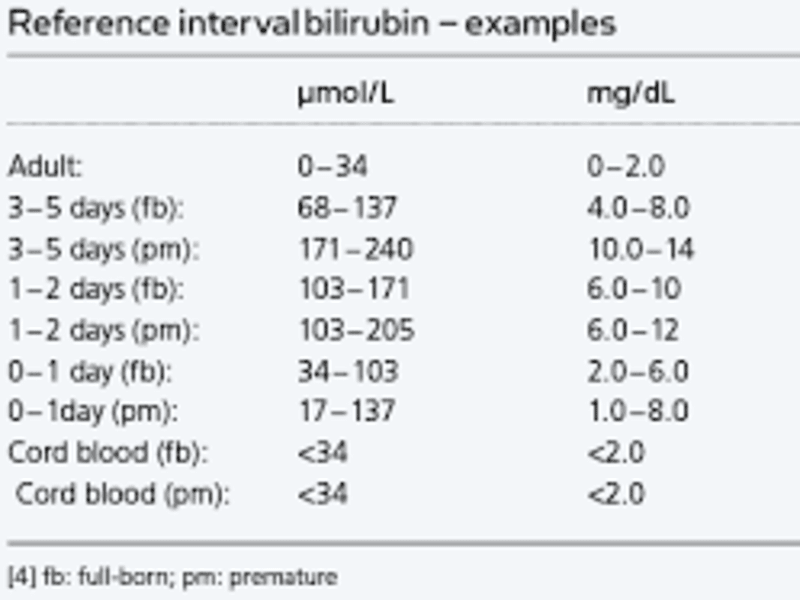
Bilirubin levels help assess liver health. This guide explains normal bilirubin values, types, causes of abnormal levels, symptoms, and when to seek medical advice.
April 11, 2026

Learn how to properly clean and care for your new ear piercing to ensure it heals beautifully and avoid infection. Follow our step-by-step guide for optimal results.
April 1, 2026