

Emergency & Help
24/7 Emergency & General Advisory
🚨 24/7 Medical Emergency
Welcome to Doctar
Join our healthcare community
Free Eye Test
AI powered and calibrated eye test
24/7 Emergency & General Advisory
🚨 24/7 Medical Emergency
Join our healthcare community
Explore the factors influencing your height, natural changes throughout life, and whether it's possible to become shorter. Learn about common myths and how to create the illusion of being shorter.

Have you ever wondered if it's possible to get shorter? Many people ponder this question, perhaps influenced by stories or a desire to change their physical appearance. While the idea of intentionally shrinking might seem appealing to some, the reality is quite different. Your height is a complex trait, influenced by a combination of genetics and environmental factors. This article will explore what determines your height, how it changes throughout your life, and whether it's truly possible to become shorter. We'll also discuss how to create the illusion of being shorter if that's something you desire, and address common myths about height.
Your final adult height is a fascinating interplay of nature and nurture. Research suggests that genetics play a significant role, accounting for approximately 80 percent of your height. This means your inherited genes from your parents lay the foundation for how tall you will likely be. However, the remaining 20 percent is influenced by environmental factors. These include:
It's also worth noting that there are average height differences between sexes. For instance, in the United States, men are, on average, taller than women.
Your height isn't static; it evolves from infancy through adulthood and even into old age. Here's a breakdown:
During these formative years, your long bones are actively growing. Growth plates, which are soft areas at the ends of long bones, are responsible for this lengthening. This period of rapid growth usually concludes in your late teens or early twenties, when these growth plates fuse, and you reach your peak adult height.
Once you reach your early twenties, your height generally stabilizes. However, it's common to experience very gradual height loss as you age. This is primarily due to the natural compression of the intervertebral discs in your spine.
As you get older, typically starting in middle age, the cartilage in your spinal discs wears down and loses water content. This leads to a gradual decrease in the space between your vertebrae, resulting in a slight reduction in overall height. Over a lifetime, people can lose about 2 to 4 centimeters (roughly 0.8 to 1.6 inches) compared to their peak adult height. This is a natural part of aging and not usually a cause for concern.
Did you know you're actually taller in the morning than you are in the evening? This is another effect of spinal disc compression. Throughout the day, gravity compresses the discs in your spine. When you lie down to sleep, your spine decompresses, allowing the discs to expand slightly. This can lead to a noticeable, though minor, difference in height from the time you wake up to the time you go to bed, sometimes ranging from about 1 millimeter to 1.6 centimeters.
Let's address the core question: can you intentionally make yourself shorter? The straightforward answer is no, not in a medically safe or feasible way.
The primary structures that determine your height are your long bones (like those in your legs and arms) and your spine. The length of your long bones is largely fixed once you reach adulthood. While bone-shortening surgeries exist, they are extremely rare and typically performed only to correct significant leg length discrepancies, not for cosmetic reasons or to simply become shorter.
The height loss experienced with aging is due to disc compression, not actual bone shortening. You cannot reverse the natural processes of bone growth or safely induce bone shrinkage.
Several myths surround height and growth. Let's debunk a few:
While you can't medically shorten yourself, you can use styling techniques to create the illusion of being shorter or appearing less tall. These are purely visual tricks:
Real-life Scenario: Imagine Priya, who feels self-conscious about her height at family gatherings. She often wears dark, well-fitted clothes. For an upcoming event, she decides to try wearing a patterned, slightly looser dress with flat sandals. She notices that by breaking up her silhouette and avoiding anything that elongates her frame, she feels more comfortable and appears more in proportion with others.
While minor height changes due to aging or daily fluctuations are normal, certain situations warrant a doctor's visit:
A doctor can perform physical examinations, order diagnostic tests like X-rays or blood work, and provide appropriate medical advice and treatment if necessary.
While chronic stress can negatively impact overall health, including potentially affecting growth in children if it leads to hormonal imbalances or poor nutrition, it doesn't directly cause adults to become shorter. The primary causes of height reduction in adulthood are spinal disc compression and bone density loss.
No, once your growth plates have closed, no exercise can make you taller. Exercises that focus on stretching and improving posture, like yoga or Pilates, can help you stand taller by improving your alignment and strengthening core muscles, thus maximizing your current height, but they don't increase bone length.
Most adults lose about 2 to 4 centimeters (0.8 to 1.6 inches) from their peak adult height by the time they reach old age. This loss is gradual and primarily due to the natural compression of spinal discs and potential bone density loss.
Yes, a poor diet, especially one lacking essential nutrients like calcium, vitamin D, and protein during childhood and adolescence, can significantly impact growth and lead to stunted growth.
It is generally not possible to regain the height lost due to natural aging processes like spinal disc compression. However, maintaining good bone health through diet and exercise, and practicing good posture can help minimize further height loss and ensure you stand as tall as possible for your age.
Visit Hospital
Near You
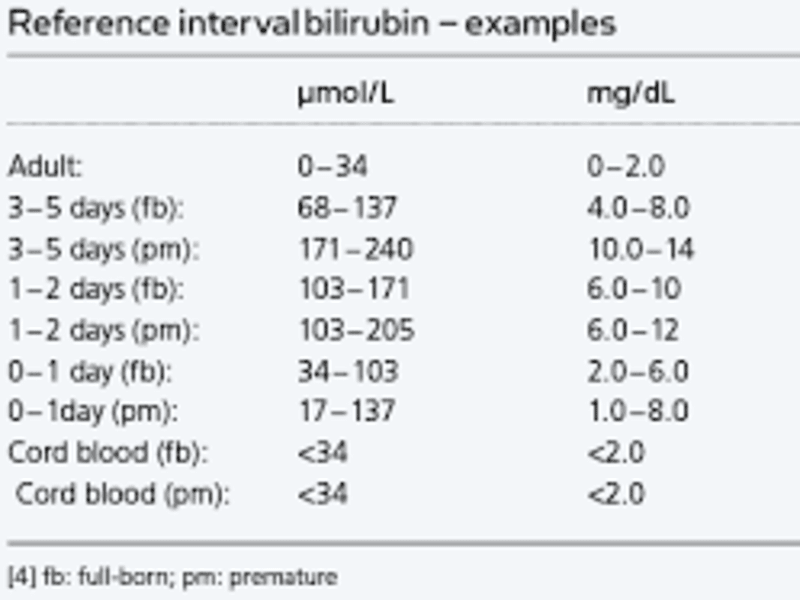
Bilirubin levels help assess liver health. This guide explains normal bilirubin values, types, causes of abnormal levels, symptoms, and when to seek medical advice.
April 11, 2026

Learn how to properly clean and care for your new ear piercing to ensure it heals beautifully and avoid infection. Follow our step-by-step guide for optimal results.
April 1, 2026

Discover practical, science-backed tips to sharpen your reaction time for gaming, sports, and everyday life. Learn how to improve your brain's speed and accuracy.
April 1, 2026