

Emergency & Help
24/7 Emergency & General Advisory
🚨 24/7 Medical Emergency
Welcome to Doctar
Join our healthcare community
Free Eye Test
AI powered and calibrated eye test
24/7 Emergency & General Advisory
🚨 24/7 Medical Emergency
Join our healthcare community
Curious about behind-the-ear tattoos? Understand the pain levels, what makes this spot sensitive, and how to make your experience more comfortable and ensure proper healing.

The area behind your ear. A delicate, often overlooked canvas, it’s become a popular spot for tattoos. Small, discreet, and full of potential for a meaningful design. But as you contemplate that tiny butterfly, a floral pattern, or a meaningful quote, a question inevitably surfaces: How much does it actually hurt? Let's dive into the nitty-gritty of behind-the-ear tattoo pain, what makes it unique, and how you can prepare for the experience.
Many people are drawn to behind-the-ear tattoos for their subtlety. They can be easily hidden when desired, yet offer a personal touch that’s always with you. Unlike a large chest piece or a full sleeve, these smaller tattoos can feel more intimate, a secret shared between you and your skin. However, this delicate placement also brings its own set of considerations, particularly when it comes to discomfort.
So, what’s the verdict? Experts and those who have braved the needle report that the pain level for a behind-the-ear tattoo typically registers around a 5 or 6 on a 10-point pain scale. While this might sound moderate, it's important to understand what contributes to this sensation. It’s not necessarily the most painful spot on the body, but it certainly has its unique challenges.
One of the primary culprits is the proximity to the mastoid bone, a bony prominence located just behind the ear. When the tattoo needle vibrates over this bone, which has very little flesh or padding to cushion the impact, the sensation can be amplified. Think of it like tapping directly on bone versus tapping on a fleshy area – the vibration travels differently and can feel more intense.
Then there’s the sound. The buzzing of the tattoo machine, so close to your ear, can be an added layer of discomfort for some. Our ears are incredibly sensitive organs, packed with numerous nerve endings. This abundance of sensory input, combined with the physical sensation of the needle, can make the experience feel more pronounced.
Furthermore, the area behind the ear, and indeed much of the ear itself, is considered an erogenous zone for many. This heightened sensitivity means that even light touch can elicit a stronger response, and a tattoo needle is far from light touch!
While the location plays a significant role, your personal experience with pain is also highly individual. Several factors can influence how much you feel:
Don't let the fear of pain deter you from your dream tattoo! Here are some practical tips to help manage discomfort:
The pain doesn't stop when the needle does. Some soreness, redness, and mild swelling are completely normal in the first few days. This is your body’s natural response to the trauma of tattooing.
Proper aftercare is paramount! It not only ensures your tattoo heals beautifully but also helps prevent complications like infection, which can lead to significant pain and damage.
While some discomfort is expected, certain signs indicate a potential problem. Pay attention to your body and seek professional help if you notice:
If you experience any of these symptoms, don't hesitate to contact your doctor or a healthcare professional immediately. Early intervention is key to preventing serious complications.
A behind-the-ear tattoo, while potentially painful, is generally considered a manageable experience for most. The pain is often described as more of an annoying irritation than excruciating agony. With careful planning, choosing the right artist, and diligent aftercare, you can navigate the process smoothly.
Remember, the sensation is temporary, but the art is (hopefully!) forever. Weigh the risks and rewards, prepare yourself mentally and physically, and enjoy the beautiful addition to your personal canvas!
Visit Hospital
Near You
For years, long COVID had no proven treatment — only symptom management. That changed in July 2026, when UCL researchers published trial results showing a structured cognitive rehabilitation program produced lasting improvement in long COVID brain fog. This piece explains what the trial found, how i
July 23, 2026
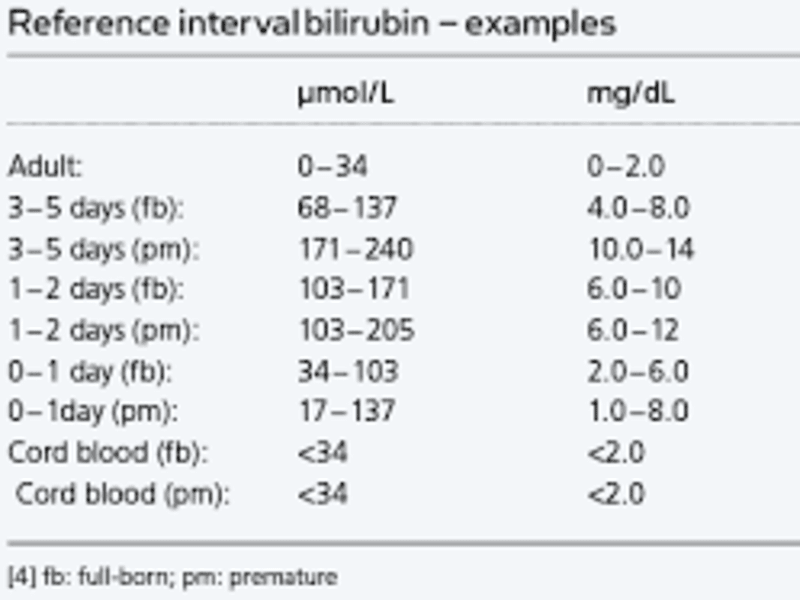
Bilirubin levels help assess liver health. This guide explains normal bilirubin values, types, causes of abnormal levels, symptoms, and when to seek medical advice.
April 11, 2026

Learn how to properly clean and care for your new ear piercing to ensure it heals beautifully and avoid infection. Follow our step-by-step guide for optimal results.
April 1, 2026