Systemic Lupus Erythematosus (SLE), commonly known simply as lupus, is a complex and chronic autoimmune disease that can affect almost any part of the body. Unlike the body's normal immune response, which attacks foreign invaders like viruses and bacteria, in lupus, the immune system mistakenly attacks healthy tissues, leading to inflammation, pain, and damage to various organs. This makes lupus a challenging condition to diagnose and manage, as its symptoms can mimic those of many other illnesses. It affects millions worldwide, predominantly women of childbearing age, but can also occur in men, children, and older adults. Understanding lupus is the first step towards effectively managing its symptoms and optimizing the quality of life for those living with this condition.
What is Lupus? An Autoimmune Enigma
Lupus is characterized by periods of illness, called flares, and periods of remission. The severity and type of symptoms vary widely among individuals, making each patient's journey unique. The exact cause of lupus remains unknown, but it is believed to involve a combination of genetic predisposition and environmental triggers.
Types of Lupus
- Systemic Lupus Erythematosus (SLE): This is the most common and serious form, affecting multiple organ systems.
- Discoid Lupus Erythematosus: Primarily affects the skin, causing rashes and lesions, often on the face and scalp. These lesions can lead to scarring and permanent hair loss.
- Drug-Induced Lupus: A temporary form of lupus caused by certain medications, which usually resolves once the drug is discontinued.
- Neonatal Lupus: A rare condition affecting newborns whose mothers have lupus or certain autoantibodies. It can cause skin rash, liver problems, or heart defects in the baby.
Recognizing the Diverse Symptoms of Lupus
Lupus is often called the "disease of a thousand faces" due to its wide range of symptoms, which can appear and disappear over time. Recognizing these signs is crucial for early diagnosis and intervention.
Common Symptoms Include:
- Fatigue: Persistent and overwhelming tiredness that doesn't improve with rest.
- Joint Pain and Swelling: Often affects small joints of the hands, wrists, and feet, usually on both sides of the body.
- Skin Issues: The characteristic butterfly rash across the cheeks and bridge of the nose, sun sensitivity, and lesions that worsen with sun exposure.
- Fever: Low-grade fever without an obvious cause.
- Hair Loss: Often patchy or generalized.
- Kidney Problems (Lupus Nephritis): Can lead to swelling in the legs and feet, high blood pressure, and impaired kidney function.
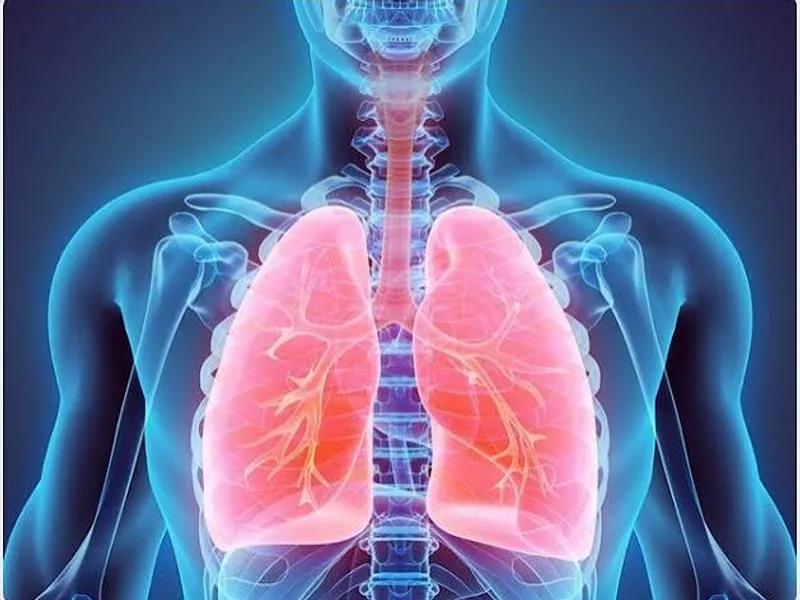
- Chest Pain: Caused by inflammation of the lining of the heart (pericarditis) or lungs (pleurisy).
- Headaches, Memory Problems, or Mood Changes: Due to inflammation affecting the brain and nervous system.
- Blood Problems: Anemia, low white blood cell count, or issues with blood clotting.
- Raynaud's Phenomenon: Fingers and toes turn white or blue when exposed to cold or stress.
Diagnosis: Unraveling the Complexity
Diagnosing lupus can be challenging because its symptoms mimic many other conditions. A comprehensive approach involves a detailed medical history, physical examination, and various laboratory tests.
- Antinuclear Antibody (ANA) Test: A positive ANA test is present in most people with lupus, but it can also be positive in other autoimmune diseases or healthy individuals.
- Other Antibody Tests: Tests for specific antibodies like anti-dsDNA, anti-Sm, anti-Ro, anti-La, and antiphospholipid antibodies help confirm a lupus diagnosis.
- Complete Blood Count (CBC): To check for anemia, low white blood cell count, or low platelet count.
- Urinalysis: To check for protein or blood in the urine, indicating kidney involvement.
- Biopsies: Of the skin or kidney to look for signs of lupus.
Treatment and Management: A Personalized Approach
There is no cure for lupus, but treatments aim to manage symptoms, reduce inflammation, prevent organ damage, and improve quality of life. Treatment plans are highly individualized, depending on the severity and specific organs affected.
Medication Strategies:
- Nonsteroidal Anti-inflammatory Drugs (NSAIDs): For mild pain and inflammation.
- Antimalarials: Such as hydroxychloroquine, can help with fatigue, skin rashes, and joint pain. They also help prevent flares and organ damage.
- Corticosteroids: Powerful anti-inflammatory drugs used for moderate to severe lupus, especially during flares.
- Immunosuppressants: Medications that suppress the immune system, used for more severe lupus, particularly when vital organs are involved.
- Biologics: Targeted therapies that block specific immune cells or pathways involved in lupus.
Lifestyle Adjustments are Key:
- Sun Protection: Avoiding sun exposure and using strong sunscreen is crucial due to photosensitivity.
- Healthy Diet: A balanced diet rich in fruits, vegetables, and whole grains can support overall health.
- Regular Exercise: Low-impact exercises can help maintain joint flexibility and reduce fatigue.
- Stress Management: Techniques like meditation, yoga, or deep breathing can help cope with stress, which can trigger flares.
- Adequate Rest: Prioritizing sleep is essential for managing fatigue.
- Avoiding Smoking and Excessive Alcohol: These can worsen symptoms and interfere with medications.
Regular monitoring by a healthcare team, including rheumatologists, nephrologists, dermatologists, and other specialists, is vital for adjusting treatment plans and addressing complications as they arise.
Living with Lupus and Optimizing Quality of Life
Living with lupus requires proactive self-management and a strong support system. Learning to recognize the early signs of a flare, adhering to medication schedules, and communicating openly with your healthcare providers are crucial. Connecting with support groups can also provide valuable emotional support and practical advice from others who understand the challenges of living with lupus.
By embracing a comprehensive approach that combines medical treatment with a healthy lifestyle and strong emotional support, individuals with lupus can significantly optimize their quality of life, manage their symptoms effectively, and lead fulfilling lives despite the chronic nature of the disease.
Frequently Asked Questions (FAQs)
Is lupus curable?
No, there is currently no cure for lupus, but treatments are very effective in managing symptoms, preventing flares, and reducing organ damage. Research continues to seek better therapies and ultimately a cure.
Is lupus hereditary?
Lupus is not directly inherited like some genetic disorders, but a genetic predisposition plays a significant role. If you have a family member with lupus, your risk may be slightly higher, but most people with a genetic predisposition do not develop the disease.
What foods should I avoid with lupus?
There isn't a universal