Gum Disease (Periodontal Disease): Causes, Symptoms, Treatment, and Prevention
Introduction
Gum disease, also known as periodontal disease, is one of the most common — yet often overlooked — health conditions affecting adults worldwide. It often starts silently, with mild symptoms like slight bleeding while brushing, and can progress to serious issues including loose teeth, jawbone destruction, and even systemic health problems if left untreated.
The good news is that gum disease is largely preventable and, in its early stages, completely reversible. In this guide, we'll walk through everything you need to know about gum disease — what causes it, the warning signs to watch for, how it links to your overall bodily health, and the best ways to prevent and treat it.
What is Gum Disease?
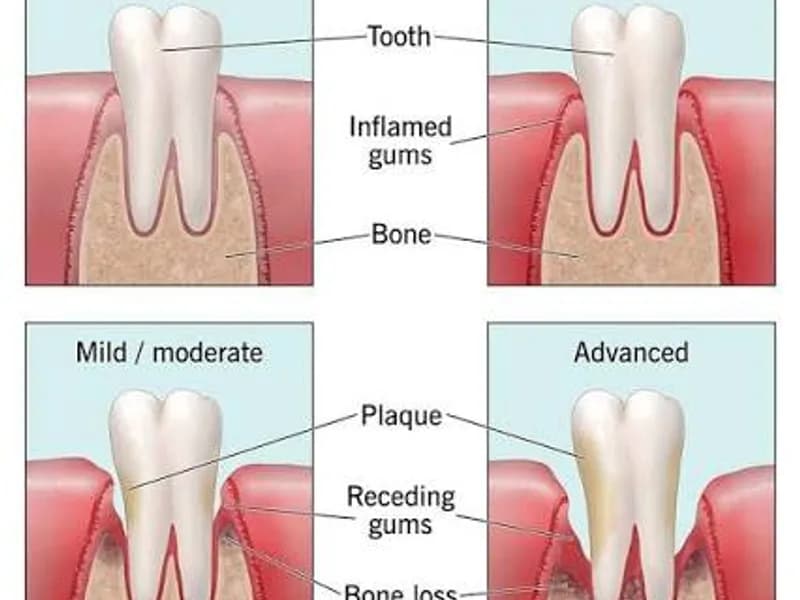
Gum disease refers to an ongoing infection and inflammation of the soft tissues and structural anchors that hold your teeth in place, including the gingiva (gums), periodontal ligaments, and alveolar bone. It typically progresses through two distinct, evolutionary stages:
Gingivitis: The early, mild stage of gum disease. It is characterized by surface-level inflammation, redness, and gums that bleed easily during brushing or flossing. At this stage, because the underlying bone anchors remain completely intact, the condition is entirely reversible with professional care and thorough home hygiene.
Periodontitis: The advanced, destructive stage. Chronic inflammation causes the gums to pull away from the teeth, forming deep, infected gaps called "pockets." As the body's immune system fights the bacteria, the tissue and bone that support the teeth are broken down, eventually leading to shifting teeth, structural recession, and tooth loss.
What Causes the Infection?
The primary driver of gum disease is the accumulation of dental plaque—a sticky, invisible film of bacteria that constantly forms on the surfaces of our teeth. If plaque isn't thoroughly cleared away by daily mechanical cleaning, it reacts with minerals in your saliva and hardens into a stony crust called tartar (calculus).
Once tartar forms, it creates a rough protective shield for bacteria right at the gumline, and it can only be safely scraped away by a dental professional. Additional factors that weaken gum defense mechanisms include:
Inadequate oral hygiene: Infrequent or incomplete brushing and flossing routines that leave plaque behind.
Smoking and tobacco use: One of the most significant risk factors; it impairs blood flow to the gums, slows down healing, and accelerates tissue destruction.
Hormonal fluctuations: Shifts during pregnancy, menstruation, and menopause can make blood vessels in the gums highly reactive to bacterial toxins.
Salivary deficiencies: Certain medications can dry out the mouth. Saliva naturally washes away food particles and neutralizes bacterial acids.
Chronic medical conditions: Systemic diseases like poorly controlled diabetes weaken the body's natural infection-fighting capabilities.
Genetic predisposition: Inherited traits can make certain individuals' immune systems react more aggressively to oral bacteria.
Nutritional gaps: A diet severely lacking in vitamin C and other essential micronutrients weakens tissue repair.
Can Oral Bacteria Be Transmitted?
While gum disease itself cannot be "caught" like a cold or flu, the specific destructive bacteria that cause the inflammation can be transferred between individuals through saliva. This occurs via:
Sharing utensils, drinking cups, or toothbrushes
Direct intimate contact (kissing)
Prolonged close contact, particularly between parents and infants
Simply encountering these bacteria will not cause immediate gum disease if your mouth is healthy. However, if your daily oral hygiene is lacking, introducing these aggressive bacterial strains can increase your overall plaque load, accelerating the start of inflammation.
Who is at Higher Risk?
Your statistical risk of moving from mild gingivitis into severe, bone-destroying periodontitis increases if you:
Smoke cigarettes, chew tobacco, or vape nicotine products
Keep inconsistent or rushed daily brushing habits
Manage an active systemic illness, such as diabetes
Are undergoing major hormonal events, like pregnancy
Have a direct family history of early tooth loss or severe gum recession
Routinely take prescription drugs that cause dry mouth (xerostomia)
Have crowded, overlapping, or crooked teeth that create hard-to-reach plaque traps
Are over the age of 35, as cellular repair slows down with age
Battle an altered immune system from medical treatments or chronic conditions
Signs and Symptoms
Because gum disease is frequently painless in its early phases, it is vital to keep a close eye out for these subtle warning signs:
Gums that look swollen, dusky red, or feel tender to the touch
Regular bleeding during brushing, flossing, or eating firm foods
Persistent bad breath (halitosis) or a foul taste that doesn't disappear with mouthwash
Gum recession: Gums pulling down, making your teeth appear noticeably longer
Changes in how your teeth fit together when you bite down
The appearance of widening spaces or gaps developing between your teeth
Dull aches when chewing foods
Small traces of pus or discharge escaping from the gumline when pressed
When to Seek Medical Help
Do not wait for actual physical pain to develop before booking an oral evaluation. You should schedule a visit if your gums bleed consistently, your breath remains chronically bad, or you notice shifting teeth.
Systemic Health Warning: Chronic, unmanaged gum inflammation allows oral bacteria to enter your bloodstream. Once in circulation, these pathogens can fuel systemic inflammation across your vascular network.
Because advanced periodontal infections have been clinically linked to an increased risk of arterial blockages and stroke, some patients may benefit from an objective cardiovascular assessment with a certified Cardiologist to ensure overall vascular wellness.
Diagnosis and Testing
A comprehensive periodontal evaluation includes several simple, painless diagnostic checks:
Visual examination: Assessing the color, swelling, and structural integrity of the gum tissue around each tooth.
Periodontal probing: Using a specialized, blunt millimeter ruler called a periodontal probe to gently measure the depth of the space between your gum tissue and the tooth. Healthy gum pockets measure between 1 to 3 millimeters; deeper measurements point to active tissue detachment.
Digital dental X-rays: Imaging used to look below the visible surface to map out any hidden bone loss around the roots of your teeth.
Medical history tracking: Reviewing lifestyle habits, family history, blood sugar control, and current medications.
Treatment and Management
The exact treatment plan chosen by your dental team will depend on how far the tissue damage has progressed.
For Early-Stage Gingivitis
Professional prophylaxis: A standard dental cleaning to thoroughly scrape away all soft plaque and hard tartar deposits above the gumline.
Home-care adjustment: Upgrading your daily routine to include twice-daily brushing and proper flossing techniques.
Antimicrobial rinses: Using prescription-strength chlorhexidine or therapeutic mouthwashes to lower the bacterial count in your saliva.
For Advanced Periodontitis
Scaling and Root Planing (SRP): A deep cleaning procedure performed under local numbing. Scaling scrapes away tartar from deep down inside the infected pockets, while root planing smooths out the rough root surfaces of the tooth, making it difficult for new bacteria to cling to them.
Targeted Antibiotics: Placing slow-release antibiotic gels directly into deep gum pockets, or taking short courses of oral antibiotics to knock down deep-seated bacterial colonies.
Pocket Reduction (Flap) Surgery: In advanced cases, a periodontist cuts small incisions to lift the gum tissue back, allowing direct visibility to clean out deep tartar deposits before suturing the tissue tightly back in place.
Bone and Tissue Grafts: Using natural or synthetic bone fragments and membranes to patch and rebuild areas where severe periodontitis has eroded the jawbone.
Recovery and Management Timeline
The timeline for healing depends entirely on the health of your gum tissue at the time of treatment:
Stage & Treatment | General Recovery & Stability Timeline |
Gingivitis Cleanings | Gums generally return to a healthy, pink, non-bleeding state within 2 to 4 weeks, provided thorough daily brushing and flossing are maintained. |
Scaling & Root Planing | Initial gum tenderness resolves within a few days. Swelling decreases and gum pockets begin to shrink over 4 to 6 weeks. |
Periodontal Surgery | Surgical sites typically heal within 1 to 2 weeks for structural stitches to come out, while underlying bone modifications require several months to fully stabilize. |
Prevention Strategies
Keeping your gums healthy over the long run requires a consistent, proactive daily care routine:
Brush your teeth twice every day: Use a soft-bristled brush and fluoride toothpaste, making sure to tilt the bristles at a 45-degree angle toward the gumline to clear away hidden plaque.
Commit to daily flossing: Clean the tight spaces between your teeth every single day to clear plaque where toothbrush bristles cannot reach.
Rinse with an antimicrobial wash: Use an antiseptic mouthrinse to help clear out lingering bacteria in hard-to-reach areas.
Schedule dental check-ups every 6 months: Visit your dentist regularly for professional cleanings to scale away hard tartar before it can cause deep tissue damage.
Quit tobacco products: Steer clear of cigarettes, chewing tobacco, and vaping to preserve healthy blood flow and immune function in your gums.
Eat a balanced, low-sugar diet: Focus on vitamin-rich foods, particularly those high in Vitamin C, and minimize sweet snacks that feed oral bacteria.
Drink plenty of water: Stay well-hydated to maintain a healthy flow of protective saliva throughout the day.
Vaccines and Immunizations
There is currently no preventative vaccine available for periodontal disease. Because gum disease is driven by a complex, shifting ecosystem of multiple bacterial strains within dental plaque—rather than a single virus or specific pathogen—it cannot be targeted by a traditional immunization. Keeping your gums healthy relies entirely on physical plaque removal and routine professional care.
Common Myths vs. Facts
Myth: It is completely normal for your gums to bleed a little bit when you brush or floss.
Myth: If you use a firm toothbrush and scrub hard enough, you don't really need to floss.
Myth: Gum disease is an inevitable part of growing older that only impacts seniors.
Myth: Once a severely diseased tooth is extracted, the underlying gum disease is completely cured.
Complications
When chronic periodontal infections are left unmanaged, they can lead to significant problems both inside your mouth and throughout your body:
Progressive destruction of the alveolar bone, resulting in shifting teeth and widespread adult tooth loss.
Diabetes Management Difficulties: Severe gum inflammation can impair the body's ability to utilize insulin efficiently. This can make it much harder to keep blood sugar levels steady, often requiring coordinated care with an Endocrinologist to help balance both oral and systemic metabolic health.
Respiratory Infections: Advanced oral bacteria can accidentally be breathed down into the respiratory tract, increasing the risk of conditions like bacterial pneumonia.
Pregnancy Risks: Clinical studies indicate a link between severe, unmanaged periodontitis in expectant mothers and an increased risk of preterm birth or low birth weight.
Frequently Asked Questions (FAQs)
1. What is the single biggest cause of gum disease?
The primary cause is the buildup of bacterial plaque—a sticky film that hardens into tartar when it isn't cleaned off the teeth regularly.
2. Can you completely cure or reverse periodontal damage?
Early-stage gingivitis can be fully reversed. Advanced periodontitis cannot be completely reversed because lost jawbone tissue doesn't grow back naturally, but it can be managed to halt future damage.
3. What are the very first signs that your gums are unhealthy?
The earliest indicators are gum tissue that appears puffy, bright red, or bleeds when you brush, flosss, or eat firm foods.
4. Is it possible to catch gum disease from another person?
The underlying conditions aren't contagious, but the destructive oral bacteria can be transferred through saliva when sharing drinks or kissing. Whether you develop the disease depends on your personal hygiene habits.
5. How often do I need professional dental cleanings to protect my gums?
Most adults should see their dentist every 6 months for a preventative exam and a professional cleaning to scale away hardened tartar.
6. Can a lingering case of gum disease cause bad breath?
Yes, chronic bad breath (halitosis) is a very common symptom. It is caused by volatile sulfur compounds released by bacteria hiding in deep gum pockets.
7. How exactly does smoking affect my gum health?
Smoking weakens your body's immune defenses, reduces the blood flow and nutrients your gums need to heal, and makes standard periodontal treatments much less effective.
8. Does severe gum disease always lead to tooth loss?
If advanced periodontitis is left untreated, the chronic infection will eventually destroy the bone anchors holding the teeth, making them loose enough to require extraction.
9. Why do medical doctors care about whether a patient has gum disease?
Because chronic oral inflammation allows bacteria to enter the blood, where they can contribute to broader health issues like heart disease, stroke, and poor blood sugar control.
10. What takes place during a deep cleaning scaling and root planing session?
A dental professional uses specialized tools to clear out calculus from deep below the gumline (scaling) and then smooths the tooth roots (planing) to help the gums reattach securely.
11. Can young children develop gingivitis?
Yes. Children who don't brush regularly or consume high-sugar diets can quickly accumulate plaque and show signs of swollen, bleeding gums.
12. Does a person's daily diet influence their gum health?
Yes. Diets high in refined sugars encourage rapid bacterial growth, while a lack of vital nutrients like Vitamin C compromises the strength of your gum tissue.
13. Is gum disease always painful when it is developing?
No, gum disease is often completely painless in its early and moderate stages. This makes regular dental check-ups essential for catching it before major damage occurs.
14. How long does a typical deep cleaning treatment take to show results?
You can usually see a noticeable reduction in gum swelling and bleeding within 4 to 6 weeks after a scaling and root planing procedure, provided your home care is thorough.
15. Where should I seek care if I need advanced, comprehensive treatment for severe gum disease?
For complete periodontal exams, digital bone mapping, deep cleanings, and modern surgical care, scheduling an appointment at a Multispecialty Hospitals in Kolkata ensures you have direct access to experienced dental surgeons, advanced clinical technology, and coordinated care for any related health conditions.
Conclusion
Gum disease is a common but serious condition that, if left untreated, can lead to tooth loss and contribute to broader health problems throughout the body. The encouraging news is that with consistent oral hygiene, regular dental visits, and healthy lifestyle choices, gum disease is largely preventable and, in its early stages, completely reversible. Don't wait for symptoms to worsen — schedule regular dental check-ups and take proactive steps today to protect your smile and your overall health.