Asthma is a chronic respiratory condition affecting millions worldwide, characterized by inflammation and narrowing of the airways, leading to difficulty breathing. This comprehensive guide delves into the complexities of asthma, offering an evidence-based overview of its causes, symptoms, diagnostic procedures, and modern management strategies. Our goal is to empower individuals with asthma, their caregivers, and the general public with the knowledge to better understand and control this condition.
What is Asthma?
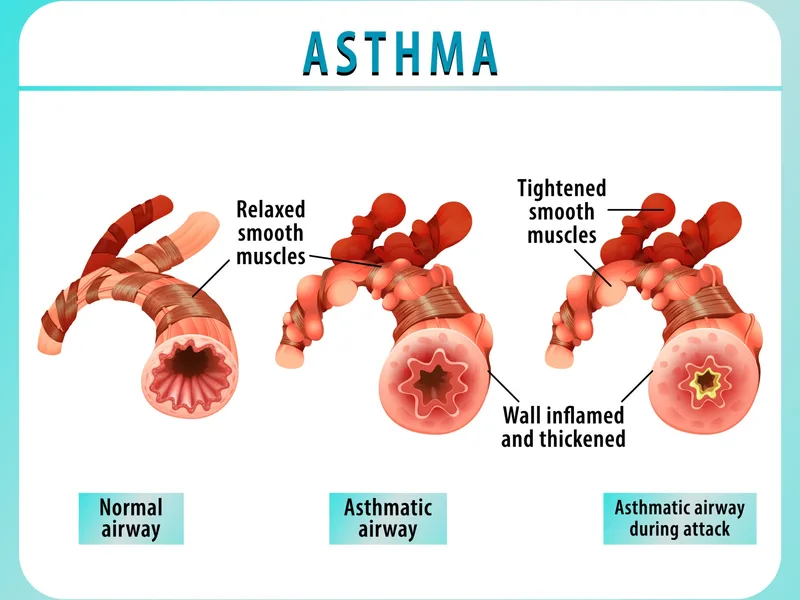
Asthma is a long-term disease of the lungs that causes your airways to become inflamed and narrowed, making it harder to breathe. When an asthmatic person is exposed to triggers, their airways can:
- Swell and become inflamed: The lining of the airways becomes irritated and swollen.
- Produce extra mucus: This sticky, thick fluid further clogs the airways.
- Tighten their muscles (bronchospasm): The muscles around the airways constrict, narrowing them significantly.
These reactions lead to common asthma symptoms such as wheezing, coughing, chest tightness, and shortness of breath. Asthma can range from mild to severe and can significantly impact daily life if not properly managed.
Causes and Triggers of Asthma
While the exact cause of asthma is not fully understood, it's believed to be a combination of genetic predisposition and environmental factors. Several common triggers can provoke an asthma attack:
Genetic and Environmental Factors
- Family History: If one or both parents have asthma or allergies, a child is more likely to develop asthma.
- Allergies: Many people with asthma also have allergies (allergic asthma). Exposure to allergens like pollen, dust mites, pet dander, mold, and certain foods can trigger symptoms.
- Respiratory Infections: Viral respiratory infections in infancy and early childhood can increase the risk of developing asthma.
- Occupational Exposures: Exposure to chemicals, dusts, or fumes in the workplace can trigger occupational asthma.
- Air Pollution: Exposure to air pollutants, including cigarette smoke (firsthand or secondhand), vehicle exhaust, and industrial emissions, can worsen asthma symptoms.
Common Asthma Triggers
- Allergens: Pollen, dust mites, animal dander, mold spores, cockroach droppings.
- Irritants: Tobacco smoke, strong odors (perfumes, cleaning products), air pollution, cold air.
- Exercise: For some, physical activity can trigger exercise-induced bronchoconstriction (formerly exercise-induced asthma).
- Weather Changes: Cold, dry air, or sudden changes in temperature.
- Respiratory Infections: Colds, flu, sinusitis.
- Stress and Emotions: Strong emotions like crying or laughing, or high stress levels, can sometimes trigger symptoms.
- Certain Medications: Non-steroidal anti-inflammatory drugs (NSAIDs) like aspirin or ibuprofen, and beta-blockers, can trigger asthma in some individuals.
Recognizing Asthma Symptoms
Asthma symptoms can vary from person to person and may change over time. They can be mild or severe, and may occur frequently or only occasionally. Common symptoms include:
- Wheezing: A whistling or squeaky sound when breathing, especially when exhaling.
- Shortness of Breath: Feeling like you can't get enough air, especially during physical activity.
- Chest Tightness: A feeling of pressure or squeezing in the chest.
- Coughing: Often worse at night or in the early morning, or after exercise.
If you experience any of these symptoms persistently, it's crucial to consult a healthcare professional for an accurate diagnosis.
Diagnosing Asthma
Diagnosing asthma typically involves a physical examination, a review of your medical history, and lung function tests. Your doctor will ask about your symptoms, family history of allergies or asthma, and any potential triggers.
Diagnostic Tests
- Spirometry: This is the most common lung function test. You'll blow into a device called a spirometer, which measures how much air you can exhale and how quickly you can do it. This test helps assess lung capacity and airflow obstruction.
- Peak Flow Measurement: A peak flow meter measures how fast you can exhale air. Regularly monitoring your peak flow can help track your asthma control.
- Bronchoprovocation Tests: In some cases, a doctor might administer a substance (like methacholine) or have you exercise to intentionally trigger mild bronchoconstriction, then measure your lung function to confirm asthma.
- Allergy Tests: If allergies are suspected to be a trigger, skin or blood tests may be performed to identify specific allergens.
Effective Management and Treatment Strategies
While there is no cure for asthma, it can be effectively managed with proper treatment and a personalized asthma action plan. The goal of treatment is to control symptoms, prevent flare-ups, and maintain a good quality of life.
Medications
Asthma medications are generally categorized into two main types:
- Long-Term Control Medications: These are taken daily to prevent symptoms and reduce inflammation in the airways. Examples include inhaled corticosteroids (e.g., fluticasone, budesonide), long-acting beta-agonists (LABAs), leukotriene modifiers, and biologics for severe asthma.
- Quick-Relief (Rescue) Medications: These are used to rapidly open the airways during an asthma attack. Short-acting beta-agonists (SABAs), like albuterol, are the most common rescue inhalers.
Asthma Action Plan
A personalized asthma action plan, developed in consultation with your doctor, is a crucial tool for managing your condition. It outlines:
- Your daily medications and dosages.
- How to recognize worsening symptoms.
- What to do during an asthma attack, including when to use rescue medication and when to seek emergency care.
- Your triggers and how to avoid them.
Lifestyle Adjustments and Trigger Avoidance
- Identify and Avoid Triggers: This is perhaps the most important non-pharmacological strategy. Keep a diary to track your symptoms and potential triggers.
- Allergen Control: Use allergen-proof bedding, regularly clean your home to reduce dust mites, and consider air purifiers.
- Avoid Smoke: Do not smoke and avoid secondhand smoke.
- Regular Exercise: With proper planning and medication (if needed), most people with asthma can exercise safely and benefit from it.
- Healthy Diet: A balanced diet supports overall health and immune function.
- Stress Management: Techniques like meditation, yoga, and deep breathing can help manage stress, which can be an asthma trigger.
Living Well with Asthma
Living with asthma requires ongoing vigilance and proactive management. Regular check-ups with your healthcare provider are essential to review your treatment plan, assess your asthma control, and make any necessary adjustments. Understanding your condition, adhering to your medication regimen, and having an up-to-date asthma action plan can significantly improve your quality of life and prevent severe asthma attacks. Remember, you can live a full and active life with asthma.
Frequently Asked Questions About Asthma
Q1: Can asthma be cured?
No, there is currently no cure for asthma. However, with proper management and treatment, most people can control their symptoms and live a normal, active life.
Q2: Is asthma contagious?
No, asthma is not contagious. It is a chronic lung condition caused by a combination of genetic and environmental factors, not by infection.
Q3: What should I do during an asthma attack?
During an asthma attack, you should follow your personalized asthma action plan. Typically, this involves using your quick-relief (rescue) inhaler. If symptoms do not improve after a few puffs or worsen, seek immediate medical attention.
Q4: Can exercise make my asthma worse?
Exercise can trigger symptoms for some people with exercise-induced bronchoconstriction. However, with appropriate pre-exercise medication and warm-up routines, most individuals with asthma can safely and beneficially engage in physical activity. Consult your doctor to develop an exercise plan.
Q5: How often should I see my doctor for asthma?
The frequency of doctor visits depends on the severity and control of your asthma. If your asthma is well-controlled, you might see your doctor every 6-12 months. If you have severe asthma, frequent flare-ups, or are just starting treatment, more frequent visits will be necessary.