Type 2 Diabetes: Causes, Warning Signs, and Powerful Lifestyle Strategies for Reversal
Introduction
Type 2 diabetes has reached epidemic proportions, affecting over 400 million people globally, with millions more living in a dangerous precursor state called prediabetes without even knowing it. Unlike Type 1 diabetes, which is primarily an autoimmune disorder, Type 2 diabetes is largely driven by lifestyle factors that, when addressed aggressively and early, can be slowed, stopped, or even reversed. This guide explains Type 2 diabetes in plain language, explores the immune system's surprising role in the disease, and offers actionable strategies for long-term management and better health.
What is Type 2 Diabetes?
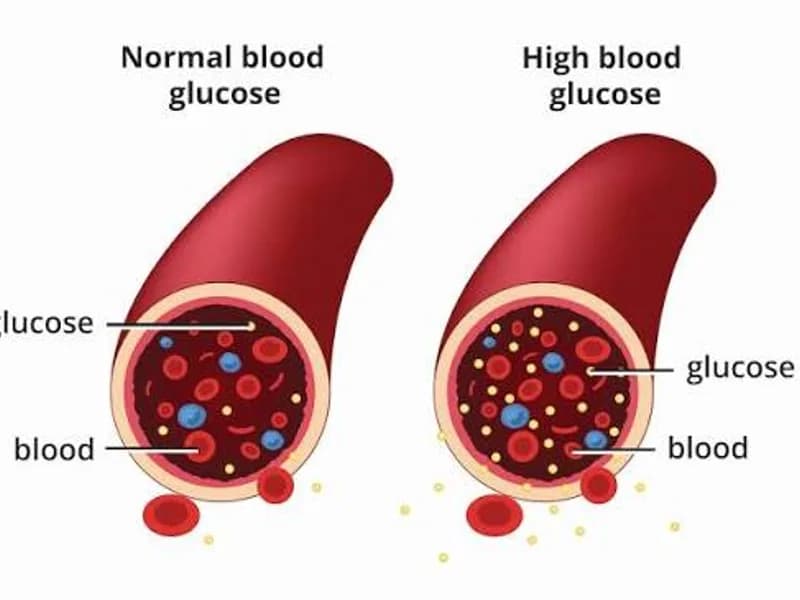
Type 2 diabetes is a chronic metabolic condition in which the body's cells become resistant to insulin, and the pancreas gradually loses its ability to produce sufficient insulin to compensate. The result is chronically elevated blood glucose levels that damage blood vessels, nerves, and organs throughout the body. Type 2 accounts for approximately 90–95% of all diabetes cases.
Unlike Type 1 diabetes, which typically appears in childhood or adolescence, Type 2 diabetes most commonly develops in adults over 45, though it is increasingly being diagnosed in younger adults, teenagers, and even children due to rising obesity rates.
How the Immune System Normally Works
The immune system's primary job is to distinguish 'self' from 'non-self' and to resolve inflammation once a threat has been neutralized. Healthy immune function maintains a careful balance between pro-inflammatory and anti-inflammatory responses. In metabolically healthy individuals, fat tissue is infiltrated by regulatory immune cells (M2 macrophages and regulatory T cells) that suppress inflammation and support normal insulin signaling.
What Goes Wrong in Type 2 Diabetes
In Type 2 diabetes, excess body fat — particularly visceral (abdominal) fat — becomes metabolically active and begins secreting inflammatory signals called adipokines and cytokines. This recruits pro-inflammatory immune cells (M1 macrophages) into fat tissue. These macrophages release TNF-alpha, IL-6, and other inflammatory molecules that directly interfere with insulin receptor signaling, causing insulin resistance. The pancreatic beta cells, under continuous demand to produce more insulin, eventually exhaust and begin to fail, leading to a progressive decline in insulin secretion.
Causes and Triggers
• Obesity — particularly excess visceral fat around the abdomen
• Physical inactivity and sedentary lifestyle
• Poor dietary habits high in refined carbohydrates and saturated fats
• Chronic stress, which elevates cortisol and impairs insulin function
• Poor sleep quality and sleep apnea
• Aging — insulin sensitivity naturally declines with age
• Certain medications including corticosteroids
Genetic and Environmental Factors
Type 2 diabetes has a strong hereditary component. Having a parent or sibling with Type 2 diabetes roughly doubles your risk. Over 100 genetic variants have been associated with increased susceptibility. However, genes load the gun — lifestyle pulls the trigger. Studies of genetically identical twins show that the twin who becomes obese and sedentary has a far higher risk of developing Type 2 diabetes, demonstrating the powerful role of environment. South Asian populations, including Indians, have a particularly high genetic susceptibility and tend to develop the disease at lower BMI levels than Western populations.
Symptoms and Warning Signs
Type 2 diabetes often develops silently over years. Early warning signs include: increased thirst and frequent urination, persistent fatigue, blurred vision, slow-healing cuts or sores, dark patches of skin (acanthosis nigricans) in body folds, tingling or numbness in the hands or feet, and recurrent infections. Many people are diagnosed only during routine blood work, making regular screening essential for those at risk.
Diagnosis Process
Diagnosis requires one of the following: fasting blood glucose ≥ 126 mg/dL, 2-hour glucose ≥ 200 mg/dL during an OGTT, HbA1c ≥ 6.5%, or random glucose ≥ 200 mg/dL with symptoms. An Endocrinologist can provide expert evaluation, create a personalized management plan, and monitor for complications. Patients with risk factors should be screened every 1–3 years starting at age 35, or earlier if overweight. A Gastroenterologist may be consulted when gastrointestinal complications or fatty liver disease — commonly associated with Type 2 diabetes — are present.
Treatment Options
Type 2 diabetes treatment follows a step-wise approach. Lifestyle modification — diet, exercise, and weight loss — is the foundation and can achieve remission in early-stage disease. Metformin is typically the first-line medication, followed by newer agents like GLP-1 receptor agonists (which also promote weight loss) and SGLT2 inhibitors (which reduce cardiovascular risk). For advanced cases, insulin therapy may be needed. Bariatric surgery is increasingly recognized as a powerful tool for diabetes remission in obese patients. Comprehensive care is available at the Best Hospitals for Type 2 Diabetes in Kolkata.
Diet and Nutrition Recommendations
Diet is perhaps the single most powerful tool in managing Type 2 diabetes. Choose whole, minimally processed foods. Embrace non-starchy vegetables, legumes, nuts, seeds, whole grains (in moderation), and lean proteins. Drastically reduce refined carbohydrates, sugar-sweetened beverages, and ultra-processed foods. Low-carbohydrate diets (under 130g carbs/day) have shown remarkable results in blood glucose control and even diabetes remission. The Mediterranean and DASH diets are evidence-based options with proven benefits for blood sugar and cardiovascular health. Intermittent fasting and time-restricted eating are emerging as additional dietary strategies.
Daily Lifestyle Management
Exercise is medicine for Type 2 diabetes. Aerobic exercise (walking, cycling, swimming) improves insulin sensitivity and burns excess glucose. Resistance training builds muscle mass, which acts as a glucose storage depot. Aim for 150 minutes of moderate exercise per week, including at least two sessions of strength training. Monitor blood glucose before and after exercise to understand your response. Stress management is equally important — practices like yoga, meditation, and deep breathing lower cortisol and improve glycemic control. Consistent sleep of 7–9 hours per night is non-negotiable.
Mental Health Impact
Depression and anxiety are twice as common in people with Type 2 diabetes compared to the general population. The psychological burden of chronic disease management, potential complications, dietary restrictions, and societal stigma around obesity can be heavy. A collaborative care model that integrates mental health screening and support into diabetes care has been shown to improve both psychological well-being and diabetes outcomes.
Possible Complications
Unmanaged Type 2 diabetes progressively damages the cardiovascular system (heart attacks, stroke), kidneys (diabetic nephropathy leading to kidney failure), eyes (diabetic retinopathy and blindness), nerves (painful diabetic neuropathy), and feet (diabetic foot ulcers and amputation). Nonalcoholic fatty liver disease (NAFLD) is closely linked to Type 2 diabetes and can progress to cirrhosis. Aggressive management of blood glucose, blood pressure, and cholesterol is essential to prevent these life-altering outcomes.
Living Well with Type 2 Diabetes
A Type 2 diabetes diagnosis is not a life sentence. With determination and the right support, many people achieve dramatic improvements in blood sugar control, reduce or eliminate medications, and even achieve remission. Small, consistent changes — eating less processed food, moving more, sleeping better, managing stress — compound into transformative results. Engage fully with your healthcare team, set realistic goals, celebrate your progress, and remember that every healthy choice is a step in the right direction.
Frequently Asked Questions
Can Type 2 diabetes be cured?
True cure is not yet possible, but remission — defined as normal blood glucose levels off diabetes medications for at least 3 months — is achievable with significant weight loss and lifestyle change.
What foods should I never eat with Type 2 diabetes?
Limit white bread, white rice, sugary drinks, candy, pastries, and fried foods. These cause rapid blood glucose spikes.
Is metformin safe long-term?
Yes — metformin has one of the best long-term safety profiles of any diabetes medication. It is typically taken with food to minimize GI side effects.
Should I check my blood sugar at home?
Yes. Self-monitoring of blood glucose provides valuable information about how food, exercise, and medication affect your levels. A continuous glucose monitor (CGM) offers even more detailed insights.
Conclusion
Type 2 diabetes is a preventable and often reversible condition when addressed with urgency and commitment. The combination of a healthy diet, regular physical activity, appropriate medical treatment, and emotional support provides the strongest foundation for long-term success. Start today — your future self will thank you.