Sexually Transmitted Diseases
Introduction
Sexually Transmitted Diseases (STDs), also known as Sexually Transmitted Infections (STIs), are infections passed from one person to another through sexual contact. They are incredibly common, and millions of people contract them every year. Despite their prevalence, STDs are often surrounded by silence and shame.
Many STDs can be easily cured with antibiotics, while others stay with you for life but can be managed. The key to protection is knowledge, regular testing, and open communication. This blog provides a comprehensive overview of STDs, prevention, and treatment.
What is Sexually Transmitted Diseases?
STDs are infections caused by bacteria, viruses, or parasites. They are transmitted through sexual activity involving the genitals, anus, or mouth. They can also be spread through skin-to-skin contact or via blood (like sharing needles).
Common STDs include Chlamydia, Gonorrhea, Syphilis, Human Papillomavirus (HPV), Genital Herpes, and Trichomoniasis. While bacterial STDs are curable, viral STDs (like Herpes, HIV, and HPV) are managed but not curable.
What Causes the Infection?
The causes vary by the specific organism:
Bacteria: Chlamydia, Gonorrhea, Syphilis.
Viruses: HIV, HPV, Herpes.
Parasites: Trichomoniasis, Pubic Lice.
These pathogens thrive in warm, moist areas of the body, particularly the urethra, vagina, and anus. During sexual contact, they pass from an infected partner to a healthy one through bodily fluids or skin contact.
How the Disease Spreads
Vaginal/Anal/Oral Sex: The most common route.
Skin-to-Skin Contact: HPV and Herpes can be spread even if condoms are used, as they affect areas not covered by a condom.
Mother to Child: Many STDs can be passed to a baby during pregnancy or childbirth.
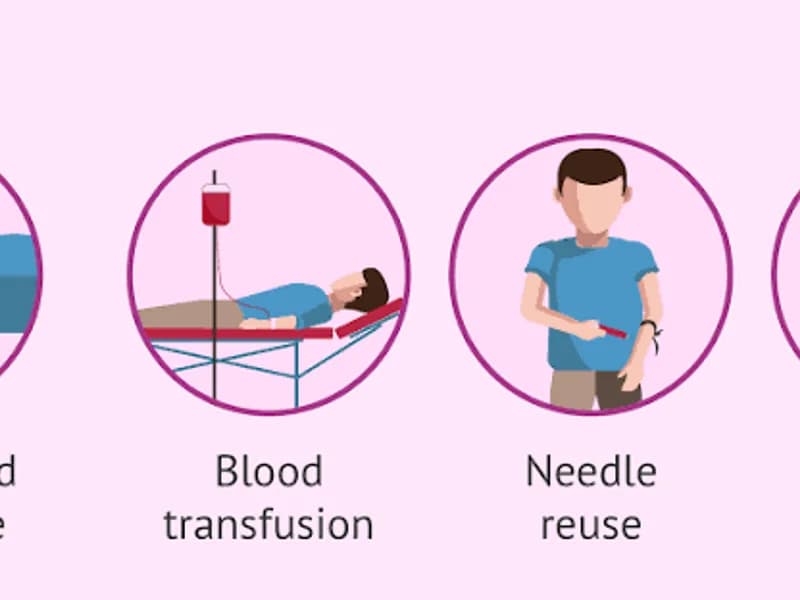
Sharing Needles: Syphilis and HIV can be spread this way.
Who is at Higher Risk?
Sexually Active Youth: Young people (15-24) are disproportionately affected.
Multiple Partners: Having new or multiple sex partners increases risk.
Unprotected Sex: Inconsistent or incorrect condom use.
History of STDs: Having one STD makes it easier to contract another.
Signs and Symptoms
Many STDs have no symptoms (asymptomatic). When symptoms do occur, they can include:
Unusual Discharge: From the penis or vagina.
Burning Sensation: When urinating.
Sores or Bumps: On or around the genitals, anus, or mouth.
Painful Intercourse.
Itching or Irritation.
Bleeding: Between periods or after sex.
When to Seek Medical Help
You should seek medical help immediately if you notice any symptoms (sores, discharge, pain). Even if you have no symptoms, regular screening is recommended if you are sexually active, especially if you have a new partner.
Diagnosis and Testing
Diagnosis depends on the specific infection.
Swabs: Taking a sample from the genital area (Chlamydia, Gonorrhea).
Blood Tests: For HIV, Syphilis, and Herpes.
Pap Smear/HPV Test: For women to detect cervical changes caused by HPV.
Urine Tests: For some bacterial infections.
If you have complex issues or need specialized procedures, a doctor may recommend additional care. For instance, in rare cases where an STD causes severe GI complications (like rectal inflammation), a Gastroenterologist might be involved in your care.
Treatment and Management
Bacterial STDs: Cured with antibiotics (e.g., Azithromycin, Doxycycline, Penicillin). It is crucial to complete the full course of antibiotics.
Viral STDs:
Herpes: Managed with antiviral drugs to reduce outbreaks and transmission risk.
HPV: Treated for the symptoms (warts) but the virus often clears on its own. Vaccines are available to prevent infection.
HIV: Managed with ART (see HIV Disease section).
Recovery Timeline
Bacterial Infections: Symptoms usually resolve within a week of starting antibiotics.
Viral Infections: No "cure" timeline, but symptoms can be managed effectively.
Prevention Strategies
Abstinence: The only 100% effective way.
Vaccination: Vaccines exist for HPV (Gardasil) and Hepatitis B.
Condoms: Correct and consistent use of latex condoms is highly effective.
Mutual Monogamy: Being in a long-term relationship with one tested partner.
Regular Testing: Know your status and your partner's status.
Vaccines
HPV Vaccine: Recommended for preteens (both boys and girls) and young adults. Prevents cancers caused by HPV.
Hepatitis B Vaccine: Part of the standard immunization schedule, preventing liver cancer and cirrhosis.
Common Myths vs Facts
Myth: You can tell if someone has an STD.
Myth: You can't get an STD if you only have oral sex.
Myth: Condoms protect against all STDs.
Complications
Untreated STDs can lead to serious health issues.
Infertility: Chlamydia and Gonorrhea can cause Pelvic Inflammatory Disease (PID) in women, leading to ectopic pregnancy or infertility.
Cardiovascular Issues: Syphilis, if left untreated for years, can damage the heart and brain (neurosyphilis), leading to organ failure. Patients with these complications may require a Cardiologist.
Cancer: HPV is the leading cause of cervical cancer and can cause throat and anal cancer.
Mother-to-Child Transmission: Can cause blindness, deafness, or stillbirth.
Frequently Asked Questions (FAQs)
Can I get an STD from a toilet seat?
No. STDs do not survive on toilet seats.
How often should I get tested?
Sexually active adults under 25 should test annually. Older adults should test if they have risk factors (multiple partners).
Can I get an STD if I use a condom?
Yes, if the condom breaks or if the STD is spread via skin-to-skin contact (like Herpes).
Do condoms prevent HPV?
They reduce the risk significantly, but not 100%, as HPV affects areas condoms don't cover.
Is oral sex safe?
Oral sex carries risks for STDs, including Gonorrhea of the throat and Herpes. Barrier methods (dental dams) should be used.
What is PID?
Pelvic Inflammatory Disease, an infection of the uterus/fallopian tubes usually caused by untreated Chlamydia or Gonorrhea.
Can I get an STD from kissing?
Herpes (HSV-1) is the only STD easily spread through kissing (cold sores).
What if my partner refuses to get tested?
You should protect your own health. Use condoms consistently or consider abstaining until you know their status.
Can STDs be treated at home?
No. You need a prescription for antibiotics or antivirals from a doctor. Do not self-medicate.
Does the "pull-out" method prevent STDs?
No. It does not prevent the exchange of fluids before ejaculation.
What are the symptoms of Syphilis?
It has stages. Stage 1: Painless sore. Stage 2: Rash. Stage 3: Organ damage.
Is there a cure for Herpes?
No. There are medications to manage outbreaks, but the virus stays in the body forever.
Can I have children if I have an STD?
Yes, but early prenatal care is essential to prevent transmission to the baby.
Are private clinics better for testing?
Both public and private clinics are fine. The important thing is that you get tested.
Where can I find confidential care?
You can visit the Best Hospital for Sexually Transmitted Diseases or specialized sexual health clinics for confidential testing and treatment.
Conclusion
Sexually Transmitted Diseases are a health reality for many, but they are manageable. The silence and stigma surrounding them are more dangerous than the infections themselves. By practicing safe sex, getting regular check-ups, and knowing your status, you can protect your reproductive health and overall well-being. If complications arise, specialized care is available at the Best Hospital for Sexually Transmitted Diseases.