Osteoporosis: Building Stronger Bones Through Understanding, Prevention, and Smart Lifestyle Choices
Introduction
Osteoporosis is often called the 'silent disease' because bone loss occurs gradually and without symptoms — until a fracture happens. It affects an estimated 200 million people worldwide and is responsible for over 8.9 million fractures annually. Women are disproportionately affected, particularly post-menopausal women, but osteoporosis also affects men and younger individuals. The encouraging truth is that osteoporosis is largely preventable and treatable. Understanding the biology of bone, the immune system's role in bone health, and the lifestyle strategies that preserve bone density is the first step toward lifelong skeletal strength.
What is Osteoporosis?
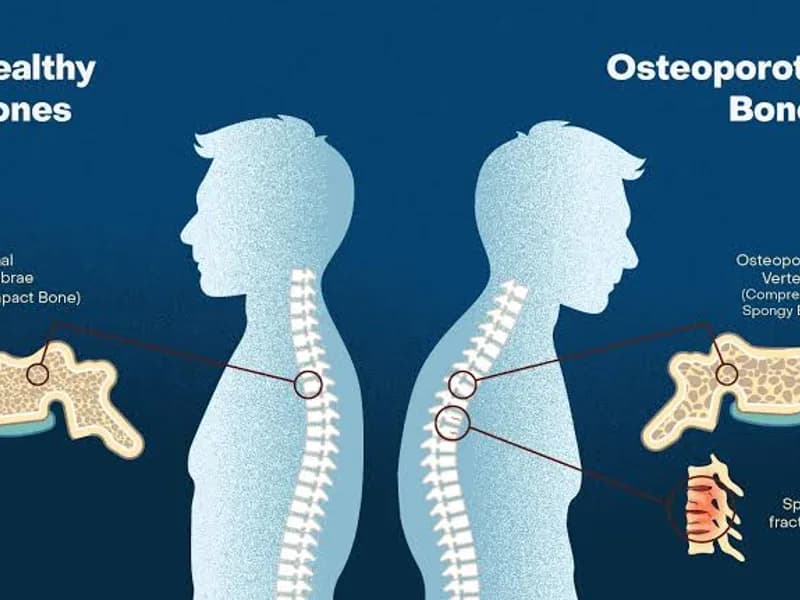
Osteoporosis is a systemic skeletal disease characterized by low bone mass and deterioration of bone tissue, leading to increased bone fragility and fracture risk. Bones are living tissue that undergo constant remodeling — old bone is removed by cells called osteoclasts and new bone is deposited by cells called osteoblasts. In osteoporosis, this balance tips in favor of bone removal, resulting in progressively thinner, weaker bones. A T-score of -2.5 or lower on a DEXA scan (the gold standard for bone density measurement) confirms osteoporosis.
How the Immune System Normally Works
The relationship between the immune system and bone — an emerging field called osteoimmunology — reveals that immune cells play a critical role in regulating bone remodeling. Key immune molecules like RANKL (Receptor Activator of Nuclear Factor Kappa-B Ligand) and its decoy receptor OPG (osteoprotegerin) are master regulators of osteoclast activity. In healthy individuals, a careful balance between pro-resorptive and anti-resorptive immune signals keeps bone remodeling in equilibrium.
What Goes Wrong in Osteoporosis
In osteoporosis, the RANKL/OPG balance shifts toward excess osteoclast activation. Estrogen deficiency after menopause dramatically increases RANKL expression and reduces OPG, accelerating bone resorption. Pro-inflammatory cytokines including TNF-alpha, IL-1, and IL-6 — elevated in aging, obesity, and inflammatory conditions — also stimulate osteoclasts. This immune-mediated inflammatory environment is why conditions like rheumatoid arthritis, inflammatory bowel disease, and chronic infections are associated with accelerated bone loss.
Causes and Triggers
• Estrogen deficiency (menopause, premature ovarian insufficiency)
• Testosterone deficiency in men
• Aging — peak bone mass is reached in the late 20s, declining thereafter
• Calcium and vitamin D deficiency
• Physical inactivity and low muscle mass
• Glucocorticoid (steroid) medications
• Chronic inflammatory conditions (rheumatoid arthritis, IBD, celiac disease)
• Smoking and excessive alcohol consumption
Genetic and Environmental Factors
Genetics account for up to 80% of peak bone mass variability. Gene variants affecting vitamin D receptors, collagen synthesis, and bone metabolism influence susceptibility. Family history of osteoporosis or hip fracture is a significant risk factor. Ethnically, white and Asian women have the highest osteoporosis risk. Environmental factors — physical activity during childhood and adolescence, calcium and vitamin D intake, smoking, alcohol use, and body weight — powerfully modify genetic risk.
Symptoms and Warning Signs
Osteoporosis itself causes no symptoms until a fracture occurs. Warning signs that suggest significant bone loss include: back pain caused by fractured or collapsed vertebra, loss of height over time, stooped posture (kyphosis), and fractures that occur from minor falls or even spontaneously (fragility fractures). The most serious osteoporotic fractures occur at the hip, spine, and wrist. Hip fractures, in particular, are associated with high mortality — 20–30% of patients die within a year.
Diagnosis Process
DEXA (dual-energy X-ray absorptiometry) scan at the hip and lumbar spine is the gold standard for diagnosing osteoporosis. Blood tests assess calcium, phosphorus, vitamin D, PTH, thyroid function, and markers of bone turnover. The FRAX tool calculates 10-year fracture probability based on clinical risk factors. An Endocrinologist or rheumatologist can provide specialized care for complex osteoporosis cases, particularly when secondary causes or anti-resorptive medication management is needed. A Rheumatologist is particularly helpful when osteoporosis is associated with inflammatory arthritis or autoimmune conditions.
Treatment Options
First-line medications for osteoporosis include bisphosphonates (alendronate, zoledronic acid), which inhibit osteoclast activity and reduce fracture risk by 40–70%. Denosumab (a RANKL inhibitor) and romosozumab (a bone-building agent) offer alternatives for patients who cannot tolerate bisphosphonates. Hormone replacement therapy (HRT) is effective for post-menopausal women. Calcium (1,000–1,200 mg/day) and vitamin D (800–1,000 IU/day) supplementation are universal recommendations. Patients can receive comprehensive osteoporosis care at the Best Hospitals for Osteoporosis in Kolkata.
Diet and Nutrition Recommendations
Calcium is the most critical nutrient for bone health. Rich sources include dairy products, fortified plant milks, tofu, almonds, leafy greens (bok choy, kale, broccoli), and canned fish with bones. Vitamin D is essential for calcium absorption and is found in fatty fish, egg yolks, and fortified foods — most people also need supplementation. Protein supports bone matrix formation; aim for adequate dietary protein (1.0–1.2 g/kg body weight). Limit excessive sodium, caffeine, and alcohol, all of which increase urinary calcium loss.
Daily Lifestyle Management
Weight-bearing exercise — walking, hiking, jogging, dancing — stimulates bone formation and is one of the most evidence-based interventions for osteoporosis prevention and treatment. Resistance (strength) training builds both bone density and muscle mass, reducing fall risk. Balance exercises (yoga, tai chi) dramatically reduce fall frequency and fracture risk. Fall prevention in the home — removing trip hazards, improving lighting, installing handrails — is equally important. Avoid smoking and limit alcohol to two drinks per day.
Mental Health Impact
Osteoporosis significantly impacts quality of life, particularly after a fracture. Fear of falling — a well-recognized psychological consequence — leads many patients to restrict activity, which paradoxically accelerates bone loss and muscle weakness. Chronic back pain from vertebral fractures causes depression and social isolation. Addressing fear of falling through balance training, home modification, and psychological support is a critical component of comprehensive osteoporosis care.
Possible Complications
The most serious complications of osteoporosis are fractures — particularly hip fractures, which are associated with loss of independence, chronic pain, decreased mobility, and significant mortality. Vertebral compression fractures cause chronic back pain, height loss, and kyphosis. Wrist fractures limit daily functioning. Each fracture significantly increases the risk of subsequent fractures. A 'fracture liaison service' model of care, which proactively identifies and treats patients after their first fracture, has shown dramatic reductions in fracture recurrence.
Living Well with Osteoporosis
Osteoporosis need not define your life. With appropriate treatment, regular monitoring, and smart lifestyle choices, bone loss can be halted or reversed, and fracture risk substantially reduced. Stay active, eat calcium-rich foods, take your medications consistently, fall-proof your home, and maintain regular communication with your healthcare team. Many people with osteoporosis live independently and actively for decades.
Frequently Asked Questions
At what age should I get a bone density scan?
Women should be screened at age 65 (or earlier if high-risk). Men should be screened at age 70 or earlier with risk factors.
Can osteoporosis be reversed?
Full reversal is rare, but treatment can halt bone loss, increase bone density modestly, and significantly reduce fracture risk.
Is osteoporosis only a women's disease?
No. While women are more commonly affected, approximately 1 in 5 men over 50 will suffer an osteoporotic fracture.
Conclusion
Osteoporosis is a preventable, treatable disease that too often goes undiagnosed until after a devastating fracture. Building bone health across the lifespan — through adequate calcium and vitamin D intake, weight-bearing exercise, and appropriate medical management — is one of the most important investments you can make in your long-term health and independence.