Osteoarthritis: Understanding Joint Degeneration and How to Manage It
Osteoarthritis (OA) is the most common form of arthritis and a leading cause of pain and disability worldwide. Often called the "wear and tear" arthritis, OA is more complex than simple mechanical erosion — the immune system and inflammation play important supporting roles. Understanding this disease fully opens the door to more effective management and a better quality of life.
What is Osteoarthritis?
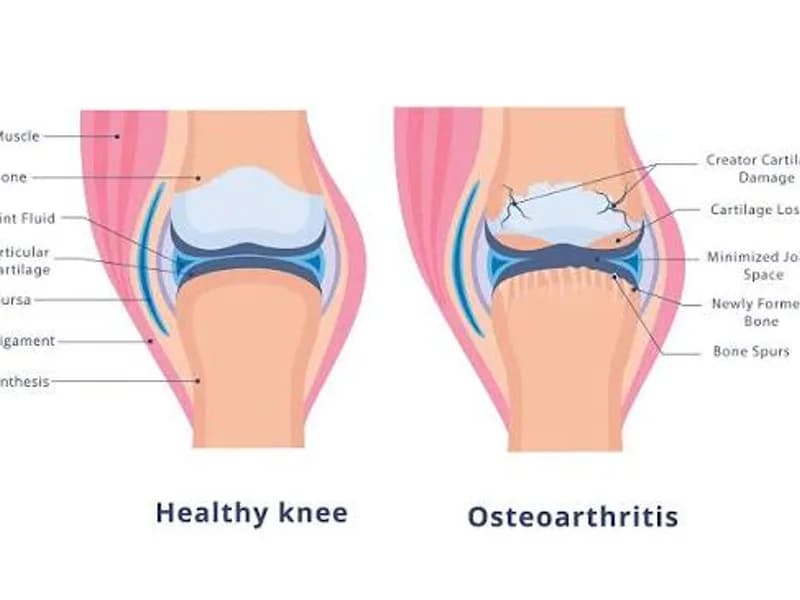
Osteoarthritis is a degenerative joint disease characterised by the breakdown of cartilage — the smooth, cushioning tissue that covers the ends of bones in a joint. As cartilage wears away, bones begin to rub against each other, causing pain, stiffness, swelling, and reduced range of motion. OA most commonly affects the knees, hips, hands, spine, and feet. Unlike rheumatoid arthritis, OA is not a classic autoimmune disease, but inflammation plays a crucial and often underestimated role in its progression.
How the Immune System Normally Works
The immune system's role in joints is largely a surveillance and repair function. Synovial macrophages — immune cells in the joint lining — monitor for cellular damage and pathogens. In healthy joints, minor cartilage damage triggers a controlled repair response: immune cells remove debris, and chondrocytes (cartilage cells) attempt repair. Anti-inflammatory signals regulate this response to prevent excessive tissue damage.
What Goes Wrong in Osteoarthritis
In osteoarthritis, this repair process becomes overwhelmed. Cartilage breakdown products activate immune cells within the joint, triggering low-grade, chronic synovial inflammation. Pro-inflammatory cytokines (TNF-alpha, IL-1beta, IL-6) are released, further degrading cartilage and preventing effective repair. The synovium thickens and becomes inflamed (synovitis). This creates a destructive cycle: mechanical damage promotes inflammation, which drives further cartilage breakdown. While this immune activation is less severe than in RA, it is central to OA progression.
Causes and Triggers
• Age — cartilage naturally loses resilience and regenerative capacity with age
• Obesity — excess body weight increases mechanical load on joints (every 1 kg of body weight = 3-4 kg of force on the knee)
• Joint injury — previous fractures, ligament tears, or cartilage injuries predispose to OA
• Repetitive movements — occupational or sports-related overuse
• Genetics — family history of OA raises risk
• Gender — women are more likely to develop OA, especially after menopause
Genetic and Environmental Factors
Genetic factors account for approximately 40-65% of OA risk in weight-bearing joints. Specific gene variants affect cartilage composition and inflammatory response. Environmental factors include body weight, occupation, physical activity patterns, and diet. Interestingly, aerobic exercise and muscle strengthening actually protect joints by improving shock absorption and stability — the key is appropriate, not excessive, loading.
Symptoms and Warning Signs
• Joint pain that worsens with activity and improves with rest (early OA)
• Morning stiffness lasting less than 30 minutes (shorter than RA)
• Joint stiffness after periods of inactivity ('gelling')
• Swelling and tenderness around the joint
• Cracking or grating sensation (crepitus) with movement
• Reduced range of motion
• Bony enlargements (osteophytes) visible or palpable around joints
• In advanced OA: pain at rest, joint deformity
Diagnosis Process
Diagnosis is primarily clinical — based on history and physical examination. X-rays reveal characteristic findings: joint space narrowing, osteophyte formation, and subchondral bone changes. MRI provides more detailed information about cartilage, ligament, and soft tissue changes. Blood tests are typically normal in OA (unlike RA). A knowledgeable Rheumatologist distinguishes OA from inflammatory arthritis and guides appropriate management.
Treatment Options
• Exercise therapy — the single most evidence-based intervention for OA; strengthening muscles around the joint reduces pain and improves function
• Weight management — losing 10% of body weight significantly reduces knee OA pain
• Physiotherapy — manual therapy, bracing, and movement training
• NSAIDs (Anti-inflammatory medications) — manage pain and inflammation
• Intra-articular injections — corticosteroids or hyaluronic acid for symptomatic relief
• Joint replacement surgery — when conservative measures fail, total knee or hip replacement restores function dramatically
Diet and Nutrition Recommendations
• Anti-inflammatory diet — Mediterranean pattern with olive oil, fish, vegetables, nuts, and legumes
• Weight management — every kilogram lost reduces joint load substantially
• Omega-3 fatty acids from fish or supplements reduce joint inflammation
• Vitamin D and calcium support bone health
• Curcumin (turmeric) has demonstrated modest anti-inflammatory effects in OA studies
• Avoid processed foods, sugar, and excess alcohol which promote systemic inflammation
Daily Lifestyle Management
• Low-impact exercise daily — swimming, cycling, walking, tai chi
• Warm-up before activity; cool down and stretch after
• Use supportive footwear with cushioning insoles
• Ergonomic adjustments at work — appropriate chair height, keyboard position
• Assistive devices (walking sticks, grab rails) when needed
• Hot and cold therapy for pain relief
Mental Health Impact
Chronic pain from OA is strongly linked to depression and anxiety. The cycle of pain limiting activity, activity limitation causing deconditioning, and deconditioning worsening pain is also a psychological burden. Social isolation, loss of independence, and fear of progression all affect mental wellbeing. A multidisciplinary approach addressing pain, function, and mood — including psychological support — produces the best outcomes in OA management.
Possible Complications
• Progressive joint destruction requiring surgical intervention
• Osteonecrosis (bone death) in advanced cases
• Falls and fractures due to reduced balance and joint instability
• Sleep disturbance from chronic nocturnal pain
• Muscle wasting from disuse and pain-related activity avoidance
Living Well with Osteoarthritis
Osteoarthritis is not simply an inevitable consequence of ageing — active management dramatically changes the trajectory. Exercise, weight control, and appropriate use of analgesics and physiotherapy can maintain independence and quality of life for decades. For those requiring surgical intervention, Best Hospitals for Osteoarthritis in Kolkata offer state-of-the-art joint replacement procedures with excellent outcomes.
Frequently Asked Questions
Is osteoarthritis the same as rheumatoid arthritis?
No. OA is primarily degenerative with secondary inflammation, while RA is a systemic autoimmune disease. They are distinct conditions with different treatments.
Can osteoarthritis be reversed?
Cartilage damage cannot yet be reversed, but disease progression can be slowed significantly with appropriate management, and many patients improve their pain and function substantially.
At what age does osteoarthritis typically begin?
OA most commonly affects people over 45, but it can occur earlier, particularly following joint injury or in those with obesity.
Conclusion
Osteoarthritis is a complex, multifactorial disease where biomechanics and immune-inflammatory processes converge. While there is no cure, the tools available today — from targeted exercise programmes to advanced surgical options — provide real hope. Start with lifestyle changes, seek specialist advice early, and stay proactive about your joint health.