Liver Disease
Introduction
The liver is the chemical factory of the body. It performs over 500 essential functions, from filtering toxins to producing proteins that help blood clot. When the liver is diseased, the entire body suffers. "Liver Disease" is a broad term that encompasses any condition that damages the liver and prevents it from functioning properly.
Chronic liver disease is a leading cause of death globally. Because the liver has no pain receptors, damage can go undetected for years. Whether caused by viruses, alcohol, or autoimmune reactions, liver disease is a serious condition that requires immediate medical attention. Understanding the warning signs and how the liver fights back is crucial for early intervention.
What is Liver Disease?
Liver Disease refers to any disturbance of liver function that causes illness. It encompasses several distinct conditions:
Hepatitis: Inflammation of the liver, often caused by viruses (Hepatitis A, B, C) or autoimmune issues.
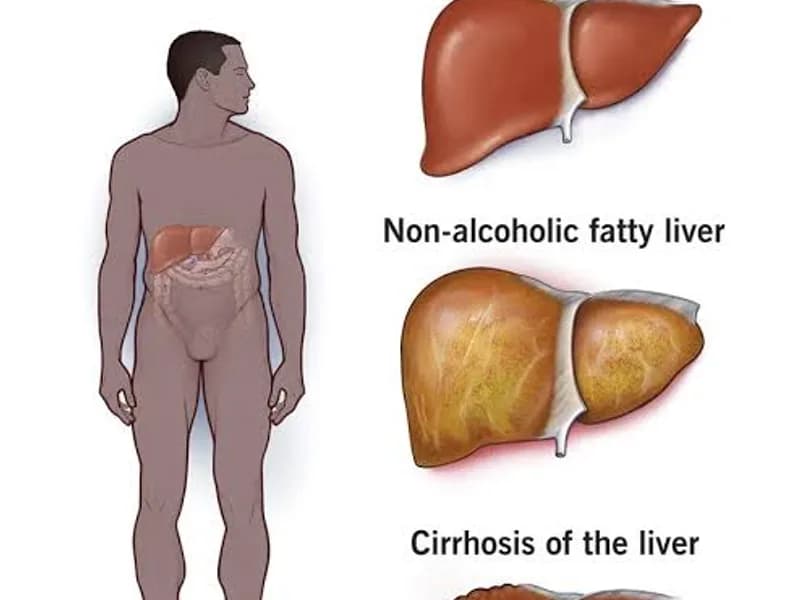
Cirrhosis: Scarring (fibrosis) of the liver caused by long-term damage.
Autoimmune Hepatitis: The body's immune system attacks the liver.
Genetic Disorders: Such as Hemochromatosis (iron overload) or Wilson's disease (copper overload).
Alcoholic Liver Disease: Caused by excessive alcohol consumption.
As liver disease progresses, healthy liver cells are replaced by scar tissue. This scar tissue blocks blood flow through the liver, eventually causing liver failure.
How the Immune System Normally Works
The liver is an immunological organ. It contains a massive army of immune cells, including macrophages (Kupffer cells) and lymphocytes. As blood from the intestines flows into the liver, these cells filter out bacteria and toxins before they reach the rest of the body.
Normally, the liver's immune system is tolerant. It handles harmless substances (like food proteins) without reacting. It recognizes "self" (liver cells) and "non-self" (viruses), maintaining a peaceful balance that allows regeneration. If the liver is cut or damaged, the immune system triggers a clean, healing response that repairs the tissue without leaving excessive scars.
What Goes Wrong in This Disease
In liver disease, this balance is disrupted.
In Viral Hepatitis: A virus (like Hepatitis B or C) infects liver cells. The immune system sends T-cells to attack the infected cells. However, in trying to kill the virus, the immune cells often destroy the liver cells as well. This "collateral damage" causes inflammation.
In Alcoholic Liver Disease: The toxic byproducts of alcohol metabolism damage liver cells. The immune system recognizes this damage and releases inflammatory chemicals, leading to swelling and cell death.
In Autoimmune Liver Disease: The immune system mistakes the liver cells for invaders and attacks them relentlessly.
The result is chronic inflammation. As liver cells die, they are replaced by scar tissue (fibrosis). Unlike healthy liver cells, scar tissue cannot function. Over time, the scarring becomes so dense that it distorts the liver's architecture, leading to cirrhosis.
Causes and Triggers
Liver disease has many causes.
Infections: Hepatitis viruses (A, B, C) are common causes.
Alcohol: Heavy, long-term alcohol use is a leading cause of cirrhosis.
Obesity: As mentioned, NAFLD is a growing cause.
Medications and Toxins: Some prescription drugs, acetaminophen (Tylenol) overdoses, and industrial chemicals can cause acute liver failure.
Genetics: Inherited metabolic diseases can lead to toxic buildup in the liver.
Genetic and Environmental Factors
Genetics can determine how susceptible you are to liver damage. For example, some people lack certain enzymes needed to break down alcohol efficiently, making them more prone to alcoholic liver disease with less alcohol consumption.
Environmental factors play a massive role. Living in an area with poor sanitation increases the risk of Hepatitis A. Exposure to industrial toxins can cause toxic hepatitis. However, the most controllable environmental factor is lifestyle—diet, alcohol intake, and medication safety.
Symptoms and Warning Signs
Symptoms often don't appear until the damage is significant.
Jaundice: Yellowing of the skin and whites of the eyes (classic sign of liver trouble).
Abdominal Pain and Swelling: Fluid accumulation in the abdomen (ascites).
Swollen Legs: Due to fluid retention.
Dark Urine: Caused by excess bilirubin being processed by the kidneys.
Pale Stools: Bile is not reaching the intestines.
Chronic Fatigue: The liver cannot detoxify blood effectively.
Diagnosis Process
If liver disease is suspected, a doctor will order a series of tests. A Gastroenterologist is the primary specialist for liver disorders.
Blood Tests: Liver function tests (LFTs) measure enzymes (ALT, AST, alkaline phosphatase) and bilirubin.
Imaging: Ultrasound, CT, or MRI scans to look for tumors, cysts, or structural abnormalities.
Elastography: A specialized ultrasound to measure liver stiffness (fibrosis).
Biopsy: A needle biopsy to confirm the diagnosis and determine the extent of damage.
Endoscopy: In cases of advanced liver disease (cirrhosis), doctors use Endoscopy to check the esophagus and stomach for "varices"—enlarged veins that can burst and cause life-threatening bleeding.
Treatment Options
Treatment depends entirely on the cause of the liver disease.
Lifestyle Changes: Stopping alcohol is critical for alcoholic liver disease. Weight loss is key for fatty liver.
Antiviral Medications: Drugs to treat Hepatitis B and C can suppress the virus and prevent further damage.
Immunosuppressants: Drugs to calm the immune system in autoimmune hepatitis.
Liver Transplant: In end-stage liver failure, the only option is a liver transplant.
Managing Complications: For cirrhosis, doctors treat complications like ascites (fluid removal) and varices (banding them during endoscopy).
Diet and Nutrition Recommendations
The liver needs specific nutrients to regenerate.
Protein: Essential for repair. People with cirrhosis often need extra protein.
Limit Salt: High salt intake worsens fluid retention (ascites).
Avoid Raw Shellfish: Because the liver filters bacteria, a diseased liver is less able to handle infections like Vibrio from raw oysters.
Eat Small Meals: Large meals can stress a compromised liver. Eat frequently but in smaller portions.
Daily Lifestyle Management
Managing liver disease requires protecting the remaining liver function.
Strict Alcohol Avoidance: For most forms of liver disease, alcohol is strictly forbidden.
Medication Caution: Never take painkillers or supplements without a doctor's approval. Even "natural" herbs can be toxic to a sick liver.
Vaccinations: Get vaccinated against Hepatitis A and B to prevent further viral damage.
Exercise: Moderate exercise helps improve metabolism and reduce fat accumulation.
Mental Health Impact
Chronic liver disease can cause confusion (hepatic encephalopathy) which is terrifying for patients and families. The stress of a potential transplant and the stigma of liver disease (often linked to addiction or lifestyle) can lead to severe depression. Mental health support is a vital part of liver treatment plans.
Possible Complications
Liver disease has serious complications.
Portal Hypertension: High blood pressure in the portal vein (leading to the liver) causes varices (bleeding veins).
Ascites: Fluid buildup in the abdomen.
Hepatic Encephalopathy: Toxins build up in the blood and affect the brain, causing confusion and coma.
Liver Cancer: Cirrhosis is a major risk factor for hepatocellular carcinoma.
Living Well with Liver Disease
With early detection, many forms of liver disease can be managed or even cured (like Hepatitis C). For chronic conditions like cirrhosis, management focuses on preventing complications. Regular check-ups are non-negotiable. You can find specialized care at the Best Hospital for Liver Disease or specialized hepatology centers.
Frequently Asked Questions
Is liver disease reversible?
It depends on the stage. Early inflammation (fatty liver, hepatitis) is often reversible. Cirrhosis (severe scarring) is generally irreversible, though its progression can be stopped.
Can I take Tylenol if I have liver disease?
You must ask your doctor. In low doses, it is often safe, but in high doses, it can be deadly for a damaged liver.
Does liver disease always cause jaundice?
No, symptoms often don't appear until late stages.
Is a liver transplant the only option?
Only for end-stage failure. Most liver disease is managed medically with lifestyle changes and medication.
What specialist treats liver disease?
A Gastroenterologist is the specialist you would typically see.
Conclusion
The liver is resilient, but it is not indestructible. Liver disease is often a silent progression, but it sends signals we must learn to read. By understanding the immune system's role in inflammation and avoiding the toxic triggers of alcohol, fatty foods, and viruses, you can safeguard your liver. If diagnosed, early intervention by a Gastroenterologist can save your life.