Kidney Disease
Introduction
While "Chronic Kidney Disease" refers specifically to long-term, gradual damage, the term "Kidney Disease" can encompass a wider range of conditions, including acute kidney injury and general renal issues. The kidneys are the body's unsung heroes, filtering blood, balancing fluids, and maintaining the mineral balance that keeps the heart beating and bones strong.
When the kidneys are diseased, this balance is thrown into chaos. Kidney disease can strike suddenly (acute) or creep up slowly (chronic). It can be caused by infections, toxins, or immune system errors. Understanding the general signs and maintaining kidney health is essential for everyone, as kidney disease often has no symptoms until it is advanced.
What is Kidney Disease?
Kidney disease is a broad term for any condition that reduces the kidneys' ability to filter waste and extra fluid from the blood. It includes:
Acute Kidney Injury (AKI): Sudden onset, often reversible, caused by severe dehydration, infection, or medication toxicity.
Chronic Kidney Disease (CKD): Long-term deterioration.
Kidney Stones: Hard deposits of minerals and salts that form inside the kidneys.
Urinary Tract Infections (UTIs): Infections that can travel up to the kidneys (Pyelonephritis).
If the kidneys fail, waste builds up to dangerous levels, leading to uremia (blood poisoning). The kidneys also regulate blood pressure and red blood cell production, so their failure causes a cascade of health issues.
How the Immune System Normally Works
The kidneys filter blood, and blood carries the immune system. In a healthy state, the kidney filters out immune complexes (clumps of antibodies left over from fighting infections) without getting inflamed.
The kidneys also have their own local defense. Specialized cells detect bacterial invasion and release antimicrobial peptides. In a healthy urinary tract, the flow of urine flushes out bacteria, preventing them from settling in the kidneys. The immune system works in harmony with the kidneys, keeping the organ sterile and free of inflammation.
What Goes Wrong in This Disease
In kidney disease, this relationship can go wrong in several ways:
Infection: Bacteria from the bladder ascend to the kidneys (Pyelonephritis). The immune system launches a fierce attack, causing inflammation, fever, and pain.
Autoimmune Glomerulonephritis: The immune system produces antibodies that mistakenly target the kidney's filtering units. The antibodies lodge in the glomeruli, triggering inflammation that clogs the filters and allows blood and protein to leak into the urine.
Inflammation from Stones: Kidney stones cause physical damage to the tissue. The immune system rushes to repair the damage, causing swelling and pain.
This inflammation, whether from infection or autoimmune attack, damages the delicate structures of the kidney, reducing their filtering capacity.
Causes and Triggers
Kidney disease has diverse triggers.
Dehydration: A leading cause of Acute Kidney Injury; without water, the kidneys cannot filter toxins.
Medications: Long-term use of high-dose NSAIDs (painkillers) or certain antibiotics can damage kidney tissue.
Infections: Untreated UTIs or strep throat can lead to kidney damage.
Toxins: Exposure to heavy metals or contrast dyes used in medical imaging.
Blockages: Kidney stones, enlarged prostate, or tumors blocking urine flow.
Genetic and Environmental Factors
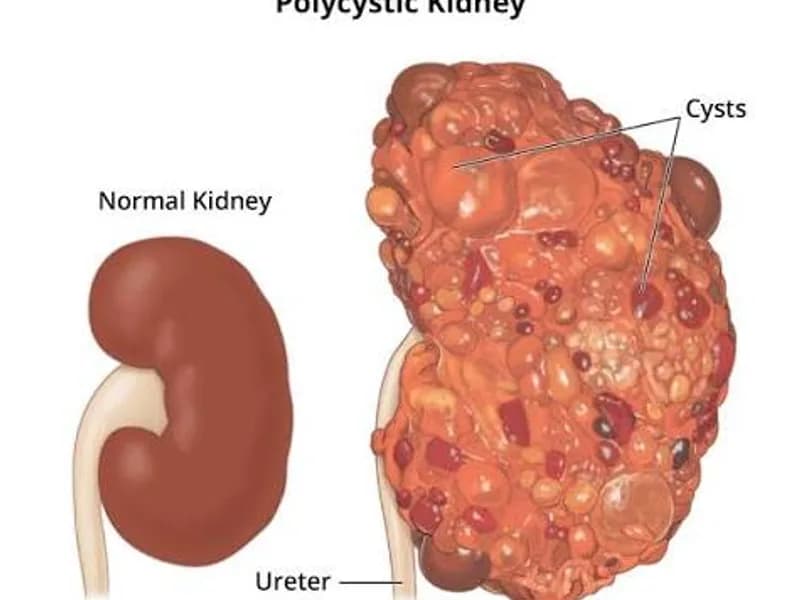
While some kidney diseases (like Polycystic Kidney Disease) are genetic, most are influenced by environment and lifestyle.
Environmental triggers are everywhere. Dehydration from working in hot environments can cause kidney stress. High-sodium diets (processed foods) increase blood pressure, which damages kidneys over time. Prolonged use of over-the-counter painkillers for chronic back pain or arthritis is a major environmental cause of chronic kidney damage.
Symptoms and Warning Signs
Symptoms vary depending on the type of kidney disease.
Flank Pain: Sharp or dull pain in the side or back, often indicating stones or infection.
Fever and Chills: Signs of kidney infection.
Changes in Urine: Pink, red, or brown urine (blood); foamy urine (protein); or difficulty urinating.
Swelling: Edema in hands, feet, ankles, or face.
High Blood Pressure: Both a cause and a symptom of kidney disease.
Diagnosis Process
Diagnosing kidney disease involves evaluating function and finding the cause.
Urinalysis: Checking for blood, protein, or infection in the urine.
Blood Tests: Creatinine and BUN levels indicate how well kidneys are filtering.
Imaging: Ultrasound or CT scans to visualize stones, cysts, or blockages.
If kidney disease is secondary to diabetes or blood pressure issues, an Endocrinologist might be involved in the management plan to control the underlying metabolic triggers.
Treatment Options
Treatment is tailored to the cause.
Hydration: IV fluids for acute kidney injury caused by dehydration.
Antibiotics: For kidney infections (Pyelonephritis).
Pain Management and Lithotripsy: For kidney stones—using shock waves to break stones into passable pieces.
Immunosuppressants: For autoimmune kidney diseases to calm the immune system.
Dialysis: If kidneys stop working.
Diet and Nutrition Recommendations
A kidney-protective diet helps prevent stone formation and reduces workload.
Drink Water: Staying hydrated is the best way to prevent stones and acute kidney injury.
Reduce Sodium: Helps lower blood pressure and reduces kidney strain.
Limit Oxalates: If prone to stones, limit foods high in oxalates (spinach, rhubarb, nuts).
Moderate Protein: High protein intake increases filtration workload. Plant-based proteins are often gentler on the kidneys.
Daily Lifestyle Management
Prevention is the best medicine for kidney disease.
Stay Hydrated: Drink 8-10 glasses of water a day, more if you are active.
Monitor Blood Pressure: High blood pressure is the "silent killer" of kidneys.
Be Careful with Painkillers: Avoid chronic use of NSAIDs. Switch to acetaminophen (Tylenol) with doctor approval.
Don't Smoke: Smoking slows blood flow to the kidneys and increases cancer risk.
Mental Health Impact
Pain from kidney stones or the fatigue of chronic kidney infection can significantly impact mental well-being. Anxiety about kidney function is common. The unpredictability of acute kidney issues can be stressful. Support systems and open communication with doctors are key to coping.
Possible Complications
If kidney disease progresses or becomes chronic, complications arise.
Fluid Retention: Leading to swelling and high blood pressure.
Potassium Imbalance: Dangerous heart rhythms.
Heart Disease: Kidney patients are at extremely high risk for cardiac events. They may eventually require CABG Surgery or other cardiac interventions if heart vessels are damaged.
Living Well with Kidney Disease
Most kidney issues are manageable or curable. Hydration, diet, and blood pressure control are the pillars of kidney health. If you have chronic kidney issues, regular monitoring is vital. You can find specialized urology and nephrology care at the Best Hospital for Kidney Disease.
Frequently Asked Questions
Can I recover from Kidney Disease?
Yes, if it is acute (sudden), function often returns to normal with treatment. Chronic kidney disease is usually manageable but not curable without transplant.
Are kidney stones considered Kidney Disease?
Yes, they are a form of kidney disease that can cause damage if they block flow or cause infection.
Does drinking water help my kidneys?
Yes, water helps the kidneys clear sodium, urea, and toxins from the body efficiently.
Can I take painkillers?
Use NSAIDs (ibuprofen, etc.) cautiously. Chronic use is a leading cause of kidney damage. Consult your doctor.
Who treats kidney disease?
While Nephrologists are the primary specialists, Endocrinologists are crucial for managing the diabetes or hypertension that causes it.
Conclusion
The kidneys are resilient filters, but they are not invincible. Kidney disease, whether acute or chronic, is a signal that the body's filtration system is under stress. By understanding the immune triggers, staying hydrated, and protecting the heart and blood vessels, you can maintain kidney health. If symptoms arise, seeking early care at the Best Hospital for Kidney Disease ensures the best outcome.