Hypothyroidism: The Underactive Thyroid Explained — Causes, Symptoms, Treatment, and Lifestyle Strategies
Introduction
Hypothyroidism — an underactive thyroid gland — is one of the most common endocrine disorders in the world, affecting an estimated 5% of the global population, with many millions more in subclinical or undiagnosed states. Despite its prevalence, hypothyroidism is often overlooked, dismissed, or confused with other conditions. Fatigue, weight gain, depression, and brain fog are attributed to aging, stress, or lifestyle — when in reality, a struggling thyroid gland may be the root cause. This comprehensive guide explains hypothyroidism clearly, explores its autoimmune origins, and provides practical advice for living well with this manageable condition.
What is Hypothyroidism?
Hypothyroidism occurs when the thyroid gland fails to produce sufficient thyroid hormones — primarily thyroxine (T4) and triiodothyronine (T3) — to meet the body's needs. Since thyroid hormones regulate the pace of metabolism throughout the body, a deficiency slows virtually every bodily process: heart rate, digestion, temperature regulation, cognitive function, energy production, and more. Primary hypothyroidism (originating in the thyroid gland itself) is by far the most common form. Secondary hypothyroidism involves failure of the pituitary gland to produce TSH, while tertiary involves the hypothalamus.
How the Immune System Normally Works
The immune system is programmed to tolerate the body's own tissues, including the thyroid gland, through a process called central and peripheral immune tolerance. Regulatory T cells (Tregs) actively suppress autoreactive immune cells that could mistakenly attack self-tissues. The thyroid gland expresses relatively few MHC molecules, making it less visible to immune surveillance and providing a degree of protection. Under normal circumstances, thyroid antigens do not provoke an immune response.
What Goes Wrong in Hypothyroidism
The most common cause of hypothyroidism in iodine-sufficient regions is Hashimoto's thyroiditis — an autoimmune condition in which self-tolerance is lost. Autoreactive CD4+ and CD8+ T cells infiltrate the thyroid gland and coordinate a destructive inflammatory response. CD4+ Th1 cells activate cytotoxic T cells and macrophages that physically destroy thyroid follicular cells. B cells produce anti-thyroid antibodies (anti-TPO and anti-thyroglobulin) that, combined with complement activation and antibody-dependent cellular cytotoxicity, progressively destroy thyroid tissue. Over time, insufficient thyroid tissue remains to produce adequate hormones, resulting in hypothyroidism.
Causes and Triggers
• Hashimoto's thyroiditis — autoimmune destruction (most common in developed countries)
• Iodine deficiency (most common cause globally)
• Radioactive iodine treatment for hyperthyroidism or thyroid cancer
• Surgical removal of the thyroid gland
• Certain medications: lithium, amiodarone, interferon-alpha, tyrosine kinase inhibitors
• Radiation therapy to the neck area
• Congenital hypothyroidism (thyroid absent or underdeveloped from birth)
• Postpartum thyroiditis (often temporary)
Genetic and Environmental Factors
Hashimoto's thyroiditis — the primary autoimmune cause of hypothyroidism — has significant genetic heritability. First-degree relatives of affected individuals have 5–10 times higher risk. HLA-DR3, HLA-DR4, CTLA-4, PTPN22, and thyroid-specific gene variants are implicated. Women are 7–10 times more likely to develop Hashimoto's than men, implicating sex hormone effects on immune regulation. Environmental factors include selenium deficiency (selenium is required for thyroid hormone synthesis and antioxidant protection), excessive iodine intake, viral infections, smoking, and psychological stress. Gut microbiome alterations are an emerging area of interest.
Symptoms and Warning Signs
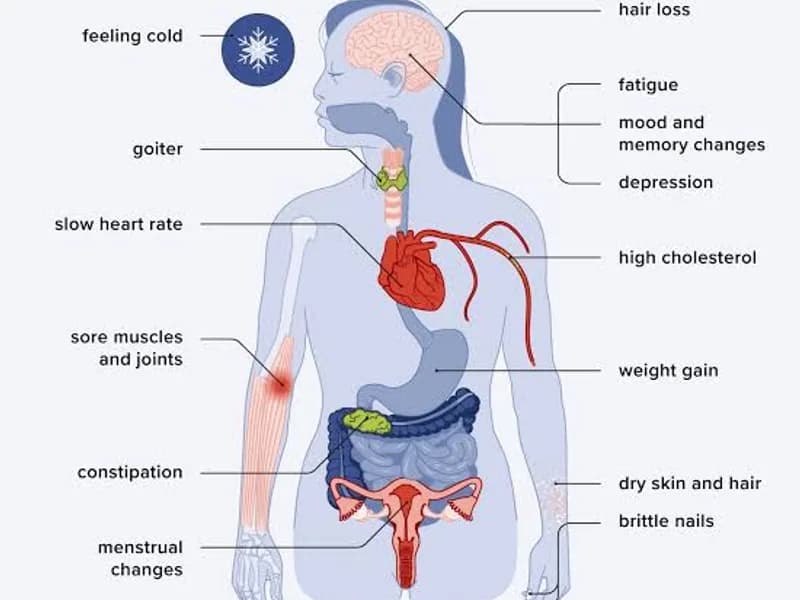
Hypothyroidism symptoms develop gradually and may be subtle at first. Classic symptoms include persistent fatigue and sluggishness, unexplained weight gain, feeling cold all the time, dry skin, coarse or thinning hair, constipation, slowed heart rate (bradycardia), depression and low mood, memory problems and brain fog, muscle weakness and aching, puffy face (myxedema), hoarse voice, elevated cholesterol, and irregular or heavy menstrual periods in women. In older adults, symptoms may be exclusively cardiovascular (heart failure, pericardial effusion) without classic features. Severe untreated hypothyroidism can progress to myxedema coma, a life-threatening emergency.
Diagnosis Process
TSH (thyroid-stimulating hormone) is the gold standard screening test. Elevated TSH indicates the pituitary is working overtime to stimulate an underperforming thyroid — confirming primary hypothyroidism. Free T4 levels confirm the degree of hormone deficiency. Anti-TPO antibody testing identifies Hashimoto's thyroiditis as the underlying cause. Thyroid ultrasound may reveal a heterogeneous, shrunken gland typical of Hashimoto's. For complex or refractory cases, referral to an Endocrinologist provides access to specialized diagnostic tools and treatment protocols, including evaluation for rare causes of hypothyroidism. Patients in Kolkata can access expert endocrine care at the Best Hospitals for Hypothyroidism in Kolkata.
Treatment Options
Hypothyroidism is treated with levothyroxine (LT4) — synthetic thyroxine — taken orally once daily, typically on an empty stomach 30–60 minutes before breakfast. The starting dose depends on age, weight, cardiac history, and degree of hypothyroidism. TSH is rechecked after 6–8 weeks and the dose adjusted until TSH normalizes. Most patients achieve complete symptom resolution with appropriate levothyroxine dosing. Some patients who remain symptomatic on LT4 alone may benefit from combination T4+T3 therapy (adding liothyronine or desiccated thyroid extract). In cases where hypothyroidism results from thyroid cancer requiring complete thyroidectomy, ongoing hormone replacement and regular imaging monitoring are essential — the treating team may include a surgeon experienced in Thyroid Surgery.
Diet and Nutrition Recommendations
Selenium is vital for thyroid hormone conversion (T4 to active T3) and protection of thyroid cells from oxidative damage. Rich sources include Brazil nuts (just 1–2 per day provides adequate selenium), tuna, sardines, and whole grains. Iodine is essential for hormone synthesis — ensure adequate intake through iodized salt and seafood, but avoid excessive supplementation. Zinc supports thyroid function; found in oysters, beef, seeds, and legumes. Take levothyroxine at least 4 hours away from calcium supplements, iron, antacids, and high-fiber meals, as these impair absorption. Some individuals with Hashimoto's report symptom improvement on a gluten-free or anti-inflammatory diet, though this requires individualized assessment.
Daily Lifestyle Management
Medication adherence is the single most important lifestyle factor in hypothyroidism management. Take levothyroxine at the same time every day — setting a daily phone alarm helps. Keep a symptom diary to track your response to treatment and share it with your doctor. Exercise regularly; even gentle activity like walking and yoga improves energy, mood, and metabolic rate. Prioritize sleep — thyroid dysfunction disrupts sleep architecture, and poor sleep worsens hypothyroid symptoms. Manage stress through mindfulness, meditation, and social connection; chronic stress elevates cortisol, which impairs T4-to-T3 conversion. Avoid smoking, which worsens Hashimoto's thyroiditis.
Mental Health Impact
Depression is one of the most common and debilitating symptoms of hypothyroidism, and is frequently misdiagnosed and treated with antidepressants without thyroid function ever being checked. Anxiety, cognitive impairment, memory loss, and mood swings are also prevalent. In Hashimoto's encephalopathy — a rare but serious complication — severe neuropsychiatric symptoms (confusion, seizures, psychosis) can occur. After starting levothyroxine, most patients experience significant improvement in mood and cognition within weeks to months. If psychiatric symptoms persist despite normalized thyroid levels, a Neurologist evaluation may be warranted to explore other contributing factors.
Possible Complications
Untreated or inadequately treated hypothyroidism leads to serious complications including heart disease (elevated LDL cholesterol, pericardial effusion, heart failure), peripheral neuropathy, infertility and pregnancy complications (miscarriage, preterm birth, impaired fetal brain development), myxedema coma (life-threatening), goiter (enlarged thyroid), and severe depression. In children, congenital hypothyroidism causes irreversible intellectual disability if not detected and treated within the first weeks of life — underscoring the importance of newborn thyroid screening programs.
Living Well with Hypothyroidism
The vast majority of people with hypothyroidism, properly treated with levothyroxine, live completely normal, healthy, active lives. The condition is eminently manageable. The keys to success are taking your medication consistently, attending regular follow-up appointments for TSH monitoring (at least annually when stable), eating a nutrient-rich diet, exercising regularly, and maintaining open communication with your healthcare provider about any changes in symptoms. Hypothyroidism support communities can provide valuable connection and practical wisdom from those living successfully with the condition.
Frequently Asked Questions
Is hypothyroidism a lifelong condition?
In most cases (especially Hashimoto's thyroiditis or post-surgical hypothyroidism), yes — levothyroxine is typically needed for life. Some cases (such as postpartum thyroiditis) are temporary.
Can I get pregnant with hypothyroidism?
Yes, but thyroid function must be optimized before and during pregnancy. Hypothyroidism increases the risk of miscarriage, preterm birth, and impaired fetal brain development if undertreated. TSH should ideally be below 2.5 mIU/L before conception.
Will levothyroxine cause weight loss?
If hypothyroidism has caused weight gain, restoring normal thyroid function helps restore normal metabolism — but levothyroxine is not a weight loss medication and taking more than prescribed is dangerous.
Is subclinical hypothyroidism the same as hypothyroidism?
Subclinical hypothyroidism (elevated TSH with normal Free T4 and often no symptoms) is a milder form. Treatment decisions are individualized based on TSH level, symptoms, age, and cardiovascular risk.
Conclusion
Hypothyroidism is a highly common, eminently treatable condition that need not diminish your quality of life. Understanding the autoimmune mechanisms, recognizing the wide-ranging symptoms, getting properly diagnosed, and committing to consistent treatment and healthy lifestyle habits gives you every tool you need to live fully and energetically with this condition. If you suspect your thyroid is underperforming, speak to your doctor — a simple blood test could be the first step toward feeling like yourself again.