HIV Disease
Introduction
HIV (Human Immunodeficiency Virus) is one of the most discussed and misunderstood viruses in modern history. For decades, an HIV diagnosis was often considered a fatal sentence. Today, thanks to scientific breakthroughs, HIV is a manageable chronic condition. People living with HIV can live long, healthy lives and have relationships, families, and careers.
However, stigma and lack of awareness still fuel the spread of the virus. Understanding HIV, how it works, how to prevent it, and how to treat it is essential for personal and public health. This guide provides a clear, human-centric overview of HIV Disease.
What is HIV Disease?
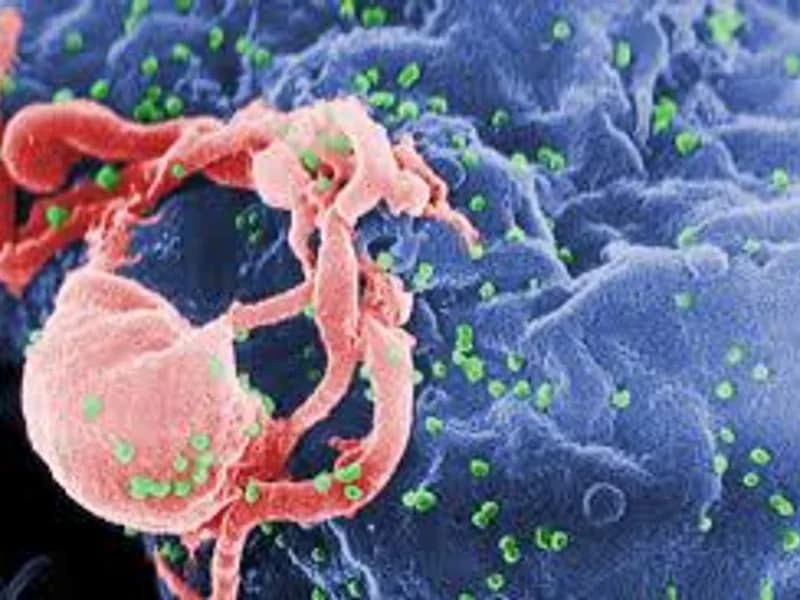
HIV is a virus that attacks the body’s immune system. Specifically, it targets CD4 cells (T cells), which are a type of white blood cell that helps the body fight off infections. If left untreated, HIV reduces the number of these cells, making the person more likely to get other infections or infection-related cancers.
If HIV progresses to the point where the immune system is severely damaged, it leads to AIDS (Acquired Immunodeficiency Syndrome). Not everyone with HIV will develop AIDS, especially if they receive effective treatment.
What Causes the Infection?
The infection is caused by the Human Immunodeficiency Virus (Types 1 and 2). It is transmitted only through specific bodily fluids: blood, semen, pre-seminal fluid, rectal fluids, vaginal fluids, and breast milk. The virus cannot survive long outside the human body. It is not spread by saliva, tears, sweat, or casual contact like hugging or shaking hands.
Once in the bloodstream, HIV uses its surface proteins to "unlock" and enter CD4 cells. It then reprograms the cell to become a factory that produces copies of the virus, eventually killing the CD4 cell and releasing new viruses to attack others.
How the Disease Spreads
HIV spreads in very specific ways:
Unprotected Sex: Vaginal or anal sex with an infected person is the most common mode of transmission.
Sharing Needles: Sharing needles, syringes, or drug-injection equipment with someone who has HIV.
Mother to Child: An HIV-positive mother can pass the virus to her baby during pregnancy, birth, or breastfeeding (though with treatment, this risk is near zero).
Blood Transfusions: In developed countries, this is extremely rare due to rigorous blood screening.
Who is at Higher Risk?
Anyone can contract HIV, but certain behaviors increase risk:
Engaging in unprotected sex with multiple partners or someone whose HIV status is unknown.
Injecting drugs and sharing needles.
Men who have sex with men (MSM) and Transgender women have statistically higher prevalence rates.
People with other Sexually Transmitted Infections (STIs) have open sores that increase the risk of transmission.
Signs and Symptoms
HIV has three stages of symptoms:
Acute HIV Infection (Stage 1): Occurs 2-4 weeks after infection. Symptoms feel like a bad flu: fever, chills, rash, night sweats, muscle aches, sore throat, fatigue, swollen lymph nodes. During this time, the viral load is very high, making transmission very likely.
Clinical Latency (Stage 2): The virus is still active but reproduces at very low levels. People may have no symptoms at all. This stage can last for decades if on medication, or just a few years if untreated.
AIDS (Stage 3): The most severe phase. Symptoms include rapid weight loss, recurring fever or night sweats, extreme fatigue, prolonged swelling of lymph glands, diarrhea, sores in the mouth, anus, or genitals, pneumonia, and memory loss.
When to Seek Medical Help
If you have engaged in high-risk behavior, you should get tested. If you experience symptoms of Acute HIV infection (flu-like symptoms after a risky encounter), seek medical help immediately. There is a medication called PEP (Post-Exposure Prophylaxis) that can prevent HIV if started within 72 hours of exposure.
Diagnosis and Testing
The only way to know for sure if you have HIV is to get tested.
Antibody Tests: Look for antibodies to HIV in your blood or oral fluid. Most rapid tests are antibody tests.
Antigen/Antibody Tests: Look for both HIV antigens (a part of the virus) and antibodies. These can detect infection earlier than antibody-only tests.
Nucleic Acid Tests (NATs): Look for the actual virus in the blood. These are expensive and used for early detection.
Treatment and Management
While there is no cure for HIV, it is highly manageable with medication called Antiretroviral Therapy (ART).
Daily Medication: ART involves taking a combination of HIV medicines every day. It prevents the virus from multiplying, reducing the viral load to an undetectable level.
Undetectable = Untransmittable (U=U): People with HIV who take their medication and achieve an undetectable viral load cannot sexually transmit the virus to others. This is a pivotal concept in HIV prevention.
Recovery Timeline
HIV is a lifelong condition. There is no "recovery" in the traditional sense, but with consistent treatment, patients experience "viral suppression." They feel healthy and have a normal life expectancy.
Prevention Strategies
PrEP (Pre-Exposure Prophylaxis): A daily pill for people at high risk to prevent HIV infection.
Condoms: When used correctly, latex condoms are highly effective in preventing HIV and other STIs.
Clean Needles: Always use sterile needles and never share injection equipment.
PEP: Emergency treatment taken within 72 hours after a potential exposure.
Vaccines
There is no vaccine for HIV yet, though research is ongoing. However, people with HIV should stay up to date on other vaccines (flu, pneumonia, hepatitis) because their immune systems are weaker. HIV positive patients should consult an Endocrinologist or their primary care provider to manage vaccinations and metabolic changes.
Common Myths vs Facts
Myth: You can get HIV from sharing a cup.
Myth: HIV is a death sentence.
Myth: HIV only affects gay men.
Complications
If untreated, HIV destroys the immune system, leading to AIDS. This makes the body vulnerable to "opportunistic infections" (infections that rarely cause disease in people with healthy immune systems) like Pneumocystis pneumonia, Kaposi's sarcoma, and Tuberculosis. HIV also causes chronic inflammation, which can increase the risk of cardiovascular disease. Patients with HIV often require monitoring by a Cardiologist to manage heart risks.
Frequently Asked Questions (FAQs)
Can HIV be cured?
There is no cure, but ART allows people to live long, healthy lives.
What is PrEP?
Pre-Exposure Prophylaxis. It is a preventive treatment for HIV-negative people at high risk.
How often should I get tested?
The CDC recommends everyone get tested at least once in their lifetime. Those at risk should get tested at least annually.
Is HIV spread through kissing?
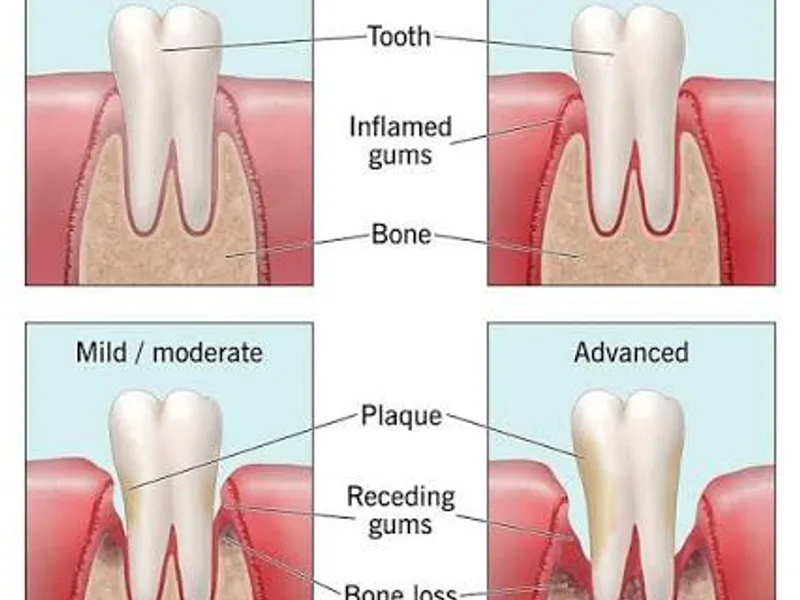
No, closed-mouth kissing is not a risk. Deep, open-mouth kissing (French kissing) carries a theoretical risk if there are bleeding gums or sores, but it is extremely rare.
Can a mother with HIV have a healthy baby?
Yes. With proper treatment (ART) during pregnancy, the risk of transmission to the baby is less than 1%.
Do I have to take meds forever?
Currently, yes. Stopping meds allows the virus to multiply and damage the immune system again.
Does PrEP protect against other STIs?
No, PrEP only protects against HIV. You still need condoms to protect against other STDs.
Is it safe to have sex with someone on HIV treatment?
Yes. If they have an undetectable viral load (U=U), the virus cannot be transmitted sexually.
What happens if I miss a dose of my meds?
Missing one dose occasionally is usually okay, but missed doses can lead to drug resistance. It is vital to stay adherent.
Can I get HIV from a mosquito bite?
No. HIV does not survive in insects and cannot be transmitted by them.
Does HIV cause digestive issues?
Yes, it can cause diarrhea, nausea, and weight loss. In these cases, a Gastroenterologist may be consulted.
What is viral load?
The amount of HIV in your blood. The goal is to have an "undetectable" viral load.
Is HIV testing confidential?
Yes. Most testing sites and clinics offer confidential testing.
Can I donate blood if I am HIV positive?
No. You are permanently deferred from donating blood.
Where can I get treatment?
You should visit a specialized infectious disease clinic or the Best Hospital for HIV Disease for comprehensive care.
Conclusion
HIV Disease has transformed from a fatal epidemic to a manageable chronic condition. Thanks to the power of science and medication (ART), people living with HIV are thriving. Stigma and fear, however, are still prevalent. By understanding the facts of transmission, the importance of testing, and the power of treatment, we can stop the spread and support those living with the virus.