Coronavirus Disease
Introduction
The world changed in early 2020 when a novel virus began its global journey, bringing life to a standstill. Coronavirus Disease 2019, widely known as COVID-19, is caused by the SARS-CoV-2 virus. While the acute phase of the pandemic may have passed in many regions, the virus remains a significant public health concern. It spreads rapidly, affects people differently, and has left a lasting impact on healthcare systems worldwide.
Understanding COVID-19 is no longer just about emergency response; it is about long-term management, prevention, and knowing how to handle future variants. This guide provides a comprehensive look at the disease, from its origins to its long-term effects, ensuring you have the knowledge to protect yourself and your loved ones.
What is Coronavirus Disease?
COVID-19 is an infectious illness caused by the virus SARS-CoV-2. It belongs to a family of viruses called coronaviruses, which usually cause mild respiratory illnesses like the common cold. However, this specific strain was new to humans, meaning no one had pre-existing immunity when it first emerged.
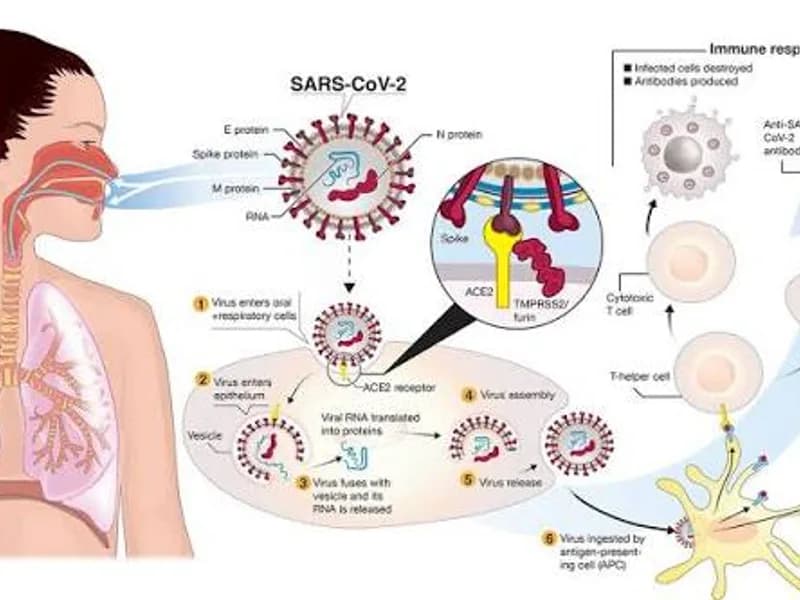
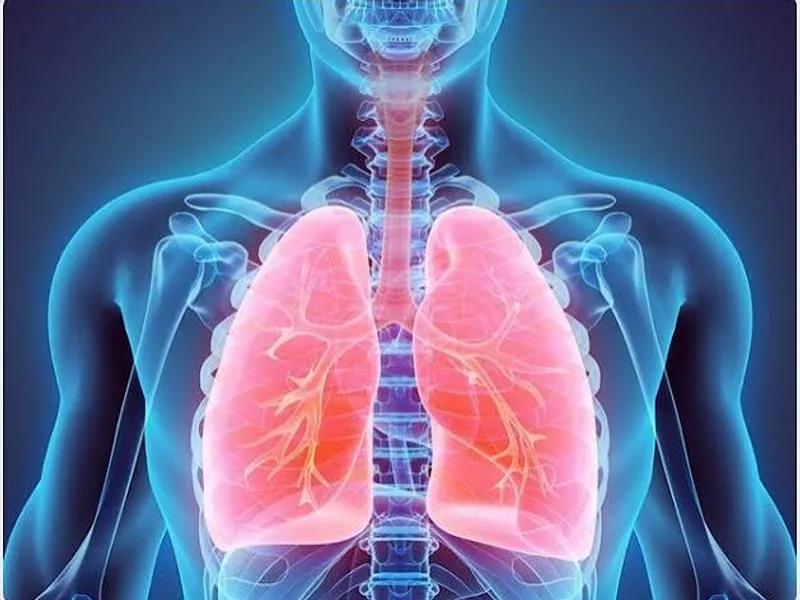
The disease primarily attacks the respiratory system—the lungs and airways—but because the virus enters the cells via the ACE2 receptors (found in the lungs, heart, and kidneys), it can potentially affect multiple organ systems. For most people, it causes mild to moderate respiratory illness and recovers without special treatment. However, for older adults and those with underlying conditions, it can be severe or fatal.
What Causes the Infection?
The infection is caused by the Severe Acute Respiratory Syndrome Coronavirus 2 (SARS-CoV-2). It is a single-stranded RNA virus. Once it enters the body, it binds to healthy cells using its "spike" protein. It hijacks the cell's machinery to replicate itself, producing millions of new virus particles. These particles are then released to infect neighboring cells or leave the body to infect others.
The severity of the disease depends not only on the viral load but on the body's immune response. An overactive immune response—often called a "cytokine storm"—can cause severe inflammation and organ damage.
How the Disease Spreads
COVID-19 spreads mainly through respiratory droplets and aerosols.
Person-to-Person: When an infected person coughs, sneezes, talks, or breathes, they release droplets. If you are within close range (usually less than 6 feet), you can inhale these droplets.
Airborne Transmission: In enclosed spaces with poor ventilation, the virus can remain suspended in the air for minutes to hours.
Surface Transmission: Less common, but possible. If you touch a surface contaminated with the virus and then touch your eyes, nose, or mouth, you can get infected.
Asymptomatic Spread: A major challenge with COVID-19 is that people who feel healthy can still carry and spread the virus.
Who is at Higher Risk?
While anyone can contract COVID-19, the risk of severe illness increases with age and underlying health conditions.
Age: People over 65 are at significantly higher risk.
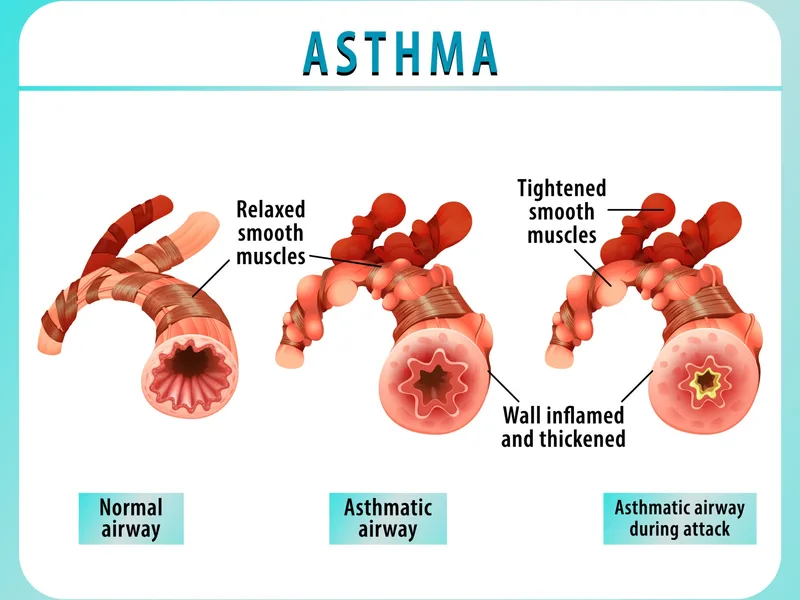
Chronic Conditions: Lung disease (asthma, COPD), heart disease, diabetes, obesity, and kidney disease increase risk.
Weakened Immune System: Cancer patients, organ transplant recipients, or those on immunosuppressive medications.
Pregnancy: Pregnant women are at higher risk for severe complications compared to non-pregnant women.
Signs and Symptoms
Symptoms can appear 2 to 14 days after exposure. They range from mild to severe.
Most Common: Fever or chills, cough, shortness of breath or difficulty breathing, fatigue, muscle or body aches, headache, new loss of taste or smell, sore throat, congestion or runny nose, nausea or vomiting, diarrhea.
Emergency Warning Signs: Trouble breathing, persistent pain or pressure in the chest, new confusion, inability to wake or stay awake, pale, gray, or blue-colored skin, lips, or nail beds (depending on skin tone).
When to Seek Medical Help
Most people recover at home with rest and fluids. However, you should seek immediate medical attention if you experience emergency warning signs like difficulty breathing, chest pain, or confusion. If you have underlying conditions like heart disease, even mild symptoms should be discussed with your doctor, as they can escalate quickly.
Diagnosis and Testing
Diagnosing COVID-19 involves analyzing a sample from the respiratory system.
Viral Tests: A nose or throat swab (PCR or Rapid Antigen Test) detects an active infection. PCR is the gold standard.
Antibody Tests: A blood test checks for antibodies, indicating a past infection. This is not used to diagnose current infection.
If your respiratory symptoms are severe or persistent, your primary care provider may refer you to a Pulmonologist. A Pulmonologist specializes in lung diseases and can help manage complex respiratory complications associated with COVID-19.
Treatment and Management
Treatment depends on the severity.
Home Care: For mild cases, rest, hydration, and over-the-counter fever reducers are usually sufficient.
Antiviral Medications: For high-risk patients, prescription antivirals (like Paxlovid) can reduce the risk of severe illness if taken early.
Hospitalization: Severe cases may require supplemental oxygen, antiviral drugs like Remdesivir, or steroids (like dexamethasone) to reduce inflammation.
Long COVID Management: Post-COVID syndromes involve ongoing fatigue, brain fog, and shortness of breath. This requires a multidisciplinary approach.
Recovery Timeline
For mild cases, recovery typically takes 1 to 2 weeks. However, for severe cases involving ICU care, recovery can take 3 to 6 months or longer. Many people experience "Long COVID," where symptoms linger for months after the acute infection has cleared. This can include heart issues, anxiety, and sleep disturbances.
Prevention Strategies
Prevention is the best tool against COVID-19.
Vaccination: Staying up-to-date with boosters significantly reduces the risk of severe disease and death.
Masking: Wearing a high-quality mask (N95/KN95) in crowded or poorly ventilated spaces helps prevent inhalation of particles.
Ventilation: Moving activities outdoors or improving airflow indoors reduces viral concentration.
Hygiene: Wash hands frequently with soap and water or use hand sanitizer.
Vaccines
COVID-19 vaccines are safe, effective, and free. They train your immune system to recognize the virus without causing the disease.
mRNA Vaccines: (Pfizer-BioNTech, Moderna) use messenger RNA to teach cells to make a harmless piece of the spike protein.
Viral Vector Vaccines: (Johnson & Johnson) use a modified harmless virus to deliver genetic code.
Importance: Vaccines prevent severe illness, hospitalization, and death. They also reduce the risk of "Long COVID."
Common Myths vs Facts
Complications
COVID-19 is not just a lung infection. It can cause severe systemic issues.
Heart Damage: Inflammation of the heart muscle (myocarditis) or stress on the cardiovascular system can lead to heart attacks. Patients with pre-existing heart issues should be monitored by a Cardiologist.
Acute Respiratory Distress Syndrome (ARDS): Severe lung inflammation requiring mechanical ventilation.
Blood Clots: The virus can cause blood clots in the legs, lungs, and brain.
Kidney Damage: Direct infection or lack of oxygen can lead to acute kidney injury.
Frequently Asked Questions (FAQs)
How long should I quarantine if I have COVID-19?
Guidelines change, but typically it is 5 days from symptom onset, provided symptoms are improving and you are fever-free for 24 hours without medication.
Can I get COVID-19 more than once?
Yes, new variants can cause reinfection, though vaccines and prior immunity usually make subsequent cases milder.
Is loss of taste/smell still a common symptom?
It was very common with the original strain, but newer variants (like Omicron) tend to cause more upper respiratory symptoms.
Do ibuprofen or aspirin worsen COVID-19?
No, there is no evidence that these over-the-counter pain relievers make COVID-19 worse.
Can children get COVID-19?
Yes, though they generally have milder symptoms than adults. A rare condition called MIS-C (Multisystem Inflammatory Syndrome in Children) can occur weeks after infection.
Are booster shots necessary?
Yes, immunity from vaccines decreases over time. Boosters "remind" the immune system to fight the virus effectively.
Can I get COVID from food packaging?
The risk is very low. The primary route is airborne transmission.
What should I do if I test positive and have high blood pressure?
Monitor your symptoms closely and contact your doctor immediately. You may need to adjust blood pressure medications.
How long am I contagious?
You are most contagious in the first 2 days before symptoms appear and the first 2-3 days after.
Is a home rapid test accurate?
Rapid antigen tests are less sensitive than PCR tests. If you have symptoms but test negative, retest after 24-48 hours.
Does COVID-19 affect the brain?
Yes, it can cause "brain fog," headaches, dizziness, and in severe cases, strokes.
Is the vaccine safe for pregnant women?
Yes, major health organizations recommend vaccination for pregnant women as they are at higher risk for severe outcomes.
Can pets get COVID-19?
Rarely, but it is possible. The risk of transmission from pets to humans is low.
What should I do if I have Long COVID?
Seek care from a multidisciplinary team, including Pulmonologists, neurologists, and cardiologists to manage specific symptoms.
Where can I go for severe treatment?
For severe respiratory distress or complications, you should visit the Best Hospital for Coronavirus Disease or an advanced trauma center.
Conclusion
Coronavirus Disease remains a dynamic and evolving health challenge. While the world has moved past the peak of the emergency phase, the virus has not disappeared. Staying informed about variants, maintaining good hygiene, and keeping vaccinations up to date are the best defenses. If complications arise, specialized care from experts like Cardiologists and Pulmonologists is crucial for recovery and long-term health.