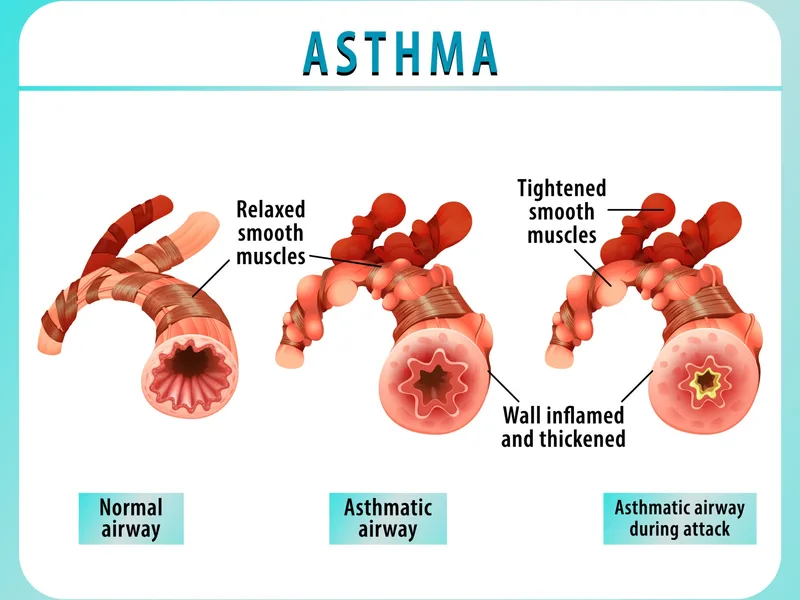
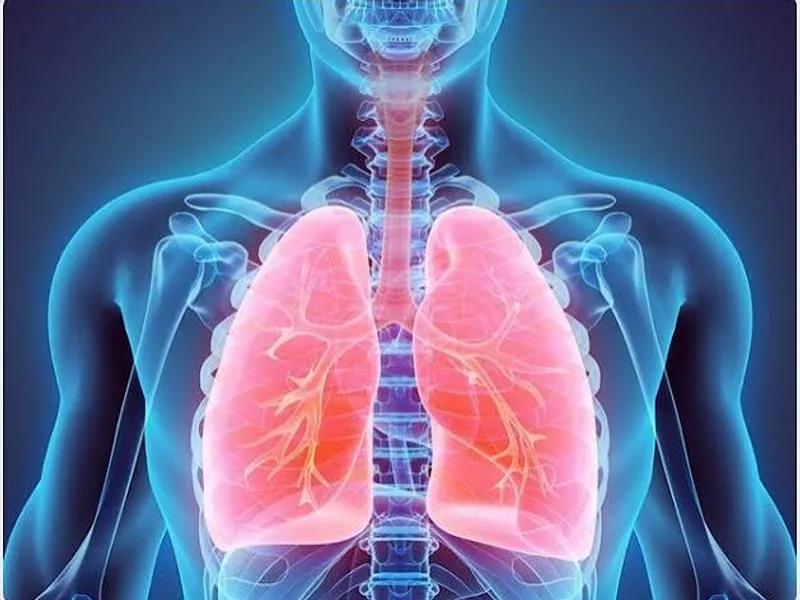
Asthma is a chronic respiratory condition affecting millions worldwide, characterized by inflammation and narrowing of the airways, leading to symptoms like wheezing, shortness of breath, chest tightness, and coughing. While there's no cure for asthma, significant advancements in treatment options have made it possible for most individuals to manage their condition effectively and lead full, active lives. This comprehensive guide explores both traditional and cutting-edge therapies, offering insights into how modern medicine is transforming asthma care.
Understanding Asthma Management: A Multifaceted Approach
Effective asthma management revolves around a personalized treatment plan developed in consultation with a healthcare provider. This plan typically combines medication, lifestyle adjustments, and regular monitoring to control symptoms, prevent flare-ups, and improve lung function. The goal is to minimize the impact of asthma on daily life and prevent severe attacks.
Traditional Asthma Treatments: The Foundation of Care
The cornerstone of asthma treatment has long been the use of inhalers, delivering medication directly to the airways. These medications are generally categorized into two main types:
- Quick-Relief (Rescue) Medications: These are used to rapidly open airways during an asthma attack or before exercise. Short-acting beta-agonists (SABAs) like albuterol are the most common. They work quickly to relax the muscles around the airways.
- Long-Term Control Medications: Taken daily, these medications aim to reduce airway inflammation and prevent symptoms. The most effective long-term control medications are inhaled corticosteroids (ICS), which decrease swelling and mucus production in the airways. Other long-term controllers include long-acting beta-agonists (LABAs), often prescribed in combination with ICS, and leukotriene modifiers, which can help block inflammatory pathways.
For some individuals, oral corticosteroids may be prescribed for short periods to manage severe exacerbations, though their long-term use is generally avoided due to potential side effects.
The Future is Now: Advancements in Asthma Care
The landscape of asthma treatment is continually evolving, with innovative therapies offering new hope, especially for those with severe or difficult-to-control asthma.
Smart Inhalers: Revolutionizing Adherence and Monitoring
Smart inhalers represent a significant leap forward in asthma management. These devices attach to or are integrated with traditional inhalers and connect to a smartphone app via Bluetooth. They track usage patterns, remind patients to take their medication, and provide data on dosage frequency and technique. This technology offers several benefits:
- Improved Adherence: By reminding patients when to take their medication, smart inhalers help ensure consistent treatment.
- Better Data for Clinicians: Healthcare providers can review usage data, helping them understand how well the patient is adhering to their plan and whether adjustments are needed.
- Identification of Triggers: Patterns in medication usage correlated with location or environmental factors can help identify potential asthma triggers.
- Enhanced Self-Management: Patients gain a clearer picture of their asthma control, empowering them to take a more active role in their health.
Biologic Therapies: Targeted Treatment for Severe Asthma
For individuals with severe asthma that doesn't respond well to conventional high-dose inhaled corticosteroids and LABAs, biologic therapies have emerged as a game-changer. These advanced medications are designed to target specific inflammatory pathways and molecules involved in the development of asthma. They are administered via injection or infusion, typically every few weeks or months.
Different biologics work by targeting various components of the immune system:
- Anti-IgE Therapy (e.g., Omalizumab): Targets immunoglobulin E (IgE), an antibody involved in allergic reactions, often effective for allergic asthma.
- Anti-IL-5 Therapy (e.g., Mepolizumab, Reslizumab, Benralizumab): Targets interleukin-5 (IL-5), a cytokine that plays a key role in the production and survival of eosinophils, a type of white blood cell often elevated in severe asthma.
- Anti-IL-4Rα Therapy (e.g., Dupilumab): Targets the alpha subunit of the interleukin-4 receptor, blocking signaling pathways for both IL-4 and IL-13, two cytokines central to type 2 inflammation prevalent in many forms of severe asthma.
Biologic therapies can significantly reduce asthma exacerbations, improve lung function, and decrease the need for oral corticosteroids, drastically improving the quality of life for many patients.
Other Emerging Treatments
While less common, procedures like bronchial thermoplasty may be considered for a select group of adults with severe, persistent asthma. This procedure uses heat to reduce the amount of smooth muscle in the airways, making them less likely to constrict.
Personalized Care and Lifestyle Management
Beyond medication, a personalized approach to asthma management is crucial. This includes:
- Asthma Action Plan: A written plan developed with your doctor detailing daily medication, how to recognize worsening symptoms, and what to do during an asthma attack.
- Trigger Avoidance: Identifying and avoiding common asthma triggers such as pollen, dust mites, pet dander, smoke, and air pollution.
- Regular Exercise: With proper management, most people with asthma can exercise. Warm-ups, cool-downs, and pre-exercise medication can help.
- Healthy Lifestyle: Maintaining a healthy weight, eating a balanced diet, and avoiding smoking can significantly improve asthma control.
Regular follow-ups with your healthcare provider are essential to monitor your condition, adjust your treatment plan as needed, and stay informed about new therapies.
Frequently Asked Questions
What are the main types of asthma treatment?
Asthma treatments typically include quick-relief medications (like short-acting bronchodilators) for immediate symptom relief and long-term control medications (like inhaled corticosteroids) to prevent symptoms and reduce inflammation. For severe cases, advanced biologic therapies are available.
Who is a candidate for biologic therapy?
Biologic therapies are generally reserved for individuals with severe asthma that remains poorly controlled despite optimal use of conventional high-dose inhaled corticosteroids and long-acting beta-agonists. Eligibility depends on specific asthma phenotypes and biomarkers identified by a specialist.
How do smart inhalers help manage asthma?
Smart inhalers track medication usage, provide dose reminders, and collect data on adherence and technique, which can be shared with healthcare providers. This helps improve consistency in treatment, allows for better monitoring by doctors, and empowers patients with more information about their asthma control.
Can asthma be cured?
No, asthma is a chronic condition and currently has no cure. However, with the right treatment plan, including medications and lifestyle adjustments, asthma can be effectively managed, allowing individuals to control their symptoms, prevent attacks, and lead a normal, active life.