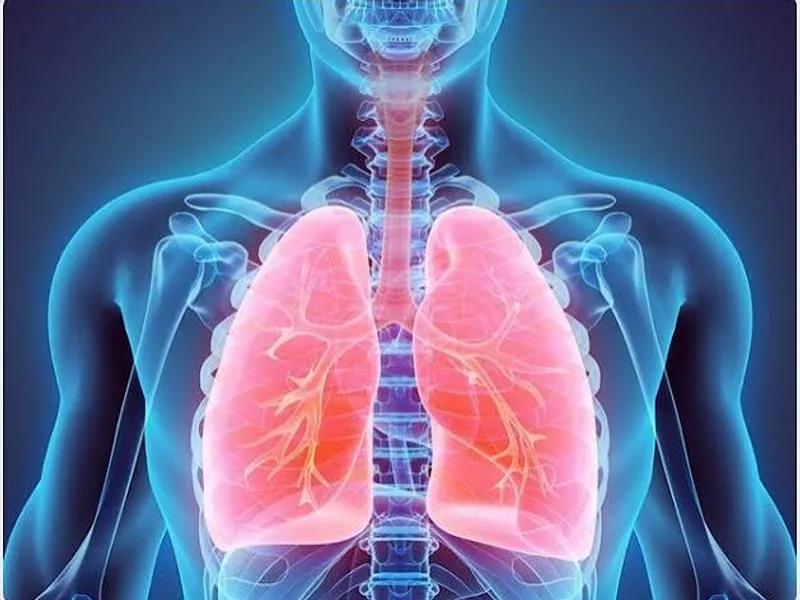
Chronic Obstructive Pulmonary Disease (COPD) is a progressive lung disease that makes breathing difficult. It encompasses conditions like emphysema and chronic bronchitis. Living with COPD can be challenging, but with the right knowledge and a comprehensive management plan, individuals can significantly improve their quality of life. This roadmap is designed to guide you through understanding, managing, and thriving despite COPD.
Understanding COPD: The Basics
COPD is primarily caused by long-term exposure to irritating gases or particulate matter, most often from cigarette smoke. Other risk factors include exposure to secondhand smoke, air pollution, and occupational dusts and chemicals. Symptoms often develop slowly and worsen over time, including shortness of breath, cough, mucus production, and wheezing.
How COPD is Diagnosed
Diagnosis typically involves a review of your medical history, a physical exam, and a lung function test called spirometry. This test measures how much air you can exhale and how quickly you can do it. Early diagnosis is crucial for effective management and slowing disease progression.
Pillars of COPD Management
Effective COPD management involves a multi-faceted approach, combining medical treatments, lifestyle changes, and ongoing support.
1. Medical Treatments
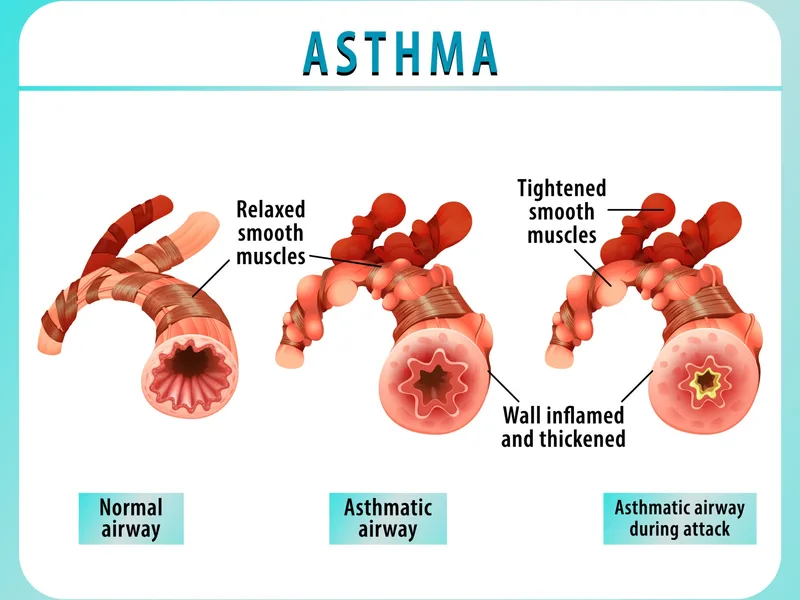
- Bronchodilators: These medications relax the muscles around your airways, helping them open up and making breathing easier. They can be short-acting for quick relief or long-acting for daily control.
- Inhaled Steroids: Often prescribed for people with moderate to severe COPD, these reduce airway inflammation and help prevent exacerbations.
- Combination Inhalers: Many people use inhalers that combine a bronchodilator and a steroid for more comprehensive symptom control.
- Oxygen Therapy: For individuals with low blood oxygen levels, supplemental oxygen can relieve shortness of breath and improve overall health and longevity.
- Other Medications: Depending on the individual, other treatments might include antibiotics for infections, mucolytics to thin mucus, or phosphodiesterase-4 inhibitors to reduce inflammation and relax airways.
2. Pulmonary Rehabilitation
Pulmonary rehabilitation is a cornerstone of COPD management. It’s a supervised program that includes exercise training, disease education, nutritional counseling, and psychological support. Benefits include improved exercise capacity, reduced shortness of breath, and enhanced quality of life. It teaches you how to manage your condition, conserve energy, and stay active safely.
3. Lifestyle Adjustments
- Smoking Cessation: If you smoke, quitting is the single most important step you can take to slow the progression of COPD and improve your lung health. Your doctor can help you find resources and strategies to quit.
- Healthy Diet: A balanced diet provides the energy you need for breathing and staying active. For some, frequent small meals may be easier to manage than larger ones. Avoiding foods that cause bloating can also help.
- Regular Exercise: Even with breathing difficulties, tailored exercise helps strengthen respiratory muscles, improves endurance, and boosts overall well-being. Consult your doctor or pulmonary rehabilitation specialist for a safe exercise plan.
- Avoiding Irritants: Minimize exposure to lung irritants such as secondhand smoke, air pollution, chemical fumes, and dust.
4. Preventing Exacerbations
COPD exacerbations are sudden worsening of symptoms, often triggered by infections. Preventing them is key to maintaining lung function and quality of life.
- Vaccinations: Get your annual flu shot and pneumonia vaccines as recommended by your doctor to protect against respiratory infections.
- Hand Hygiene: Wash your hands frequently to reduce the risk of infection.
- Early Treatment of Infections: Be vigilant for signs of infection (increased cough, mucus changes, fever) and seek medical attention promptly.
Living Well with COPD: Maintaining Quality of Life
COPD can impact daily life, but with proactive strategies, you can maintain independence and enjoy activities.
Coping Strategies and Support
- Breathing Techniques: Learn techniques like pursed-lip breathing and diaphragmatic breathing to manage shortness of breath and conserve energy.
- Energy Conservation: Plan activities, pace yourself, and use assistive devices if needed to conserve energy throughout the day.
- Emotional Support: Living with a chronic illness can be emotionally taxing. Connect with support groups, friends, family, or mental health professionals to cope with anxiety and depression.
- Regular Medical Check-ups: Adhere to your appointment schedule and communicate openly with your healthcare team about any changes in your symptoms or concerns.
The Future of COPD Treatment
Research continues to advance our understanding and treatment of COPD. Emerging therapies include new bronchodilators, anti-inflammatory agents, and targeted therapies for specific phenotypes of the disease. Surgical options like lung volume reduction surgery or lung transplantation may be considered for a select group of patients with very severe COPD.
Conclusion
Navigating COPD requires dedication and a well-structured approach. By working closely with your healthcare team, adhering to medical treatments, adopting healthy lifestyle choices, and utilizing support systems, you can effectively manage your condition, reduce symptoms, prevent exacerbations, and maintain a fulfilling quality of life. Remember, you are not alone on this journey, and a proactive roadmap can make all the difference.
Frequently Asked Questions
What is the main cause of COPD?
The primary cause of COPD is long-term exposure to lung irritants that damage the lungs and airways, most commonly cigarette smoke. Other factors include secondhand smoke, air pollution, and occupational dusts and chemicals.
Can COPD be cured?
Currently, there is no cure for COPD. However, with proper management and treatment, its progression can be slowed, symptoms can be controlled, and quality of life can be significantly improved.
What is pulmonary rehabilitation?
Pulmonary rehabilitation is a supervised program that combines exercise training, education, and support to help people with chronic lung diseases like COPD breathe easier and live more actively.
How can I prevent COPD exacerbations?
Preventing exacerbations involves getting recommended vaccinations (flu, pneumonia), practicing good hand hygiene, avoiding lung irritants, and promptly treating any signs of infection with your doctor's guidance.
Is exercise safe for people with COPD?
Yes, exercise is generally safe and highly beneficial for people with COPD when done under medical guidance. It helps strengthen respiratory muscles, improves endurance, and boosts overall well-being. Always consult your doctor before starting any new exercise regimen.