Nature's Solutions for Fuller Hair: A Doctor's Perspective
Meena, 45, a homemaker from Jaipur, observed her once-abundant, lustrous hair diminishing considerably following a trying monsoon season. She wasn't unique; numerous Indian women encounter similar worries, particularly during periods of dietary shifts or elevated tension.
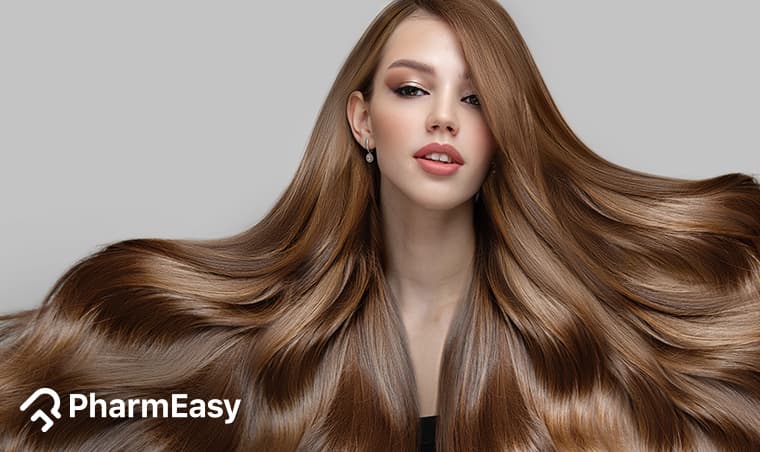
The aspiration for more substantial, healthier hair is universal, and fortunately, the natural world offers a wealth of effective answers. This guide explores potent natural home treatments for attaining fuller hair, drawing from ancient wisdom and contemporary understanding.
To be candid, achieving noticeably fuller hair often involves a blend of topical applications and internal well-being. While genetics play a part, lifestyle elements and diligent care can bring about a significant transformation.
Have you ever pondered why certain individuals possess naturally fuller hair? It's frequently a combination of genetic predisposition, nourishment, and a thriving scalp environment.
Understanding Hair Volume
Hair volume is dictated by two principal elements: the concentration of hair follicles on your scalp and the circumference of each individual hair strand. A healthy scalp, nourished from within and attended to externally, supports both aspects.
Here's where it gets interesting.
Influences such as hormonal fluctuations, nutritional deficits, pressure, environmental pollutants, and even aggressive hair treatments can contribute to hair thinning. For instance, research indicates that pressure alone can trigger telogen effluvium, a condition leading to widespread hair thinning, impacting a substantial portion of the populace.
The Potency of Indian Botanicals
India's profound heritage in Ayurveda imparts a deep comprehension of plant-based remedies that foster hair vitality. These organic constituents, frequently found in our kitchens, serve as formidable allies in the pursuit of fuller hair.
Amla (Indian Gooseberry)
Amla is an exceptional source of Vitamin C and antioxidants, vital for promoting hair development and reinforcing follicles. Its abundant tannin content aids in firming scalp tissues, curbing hair shedding.
Applying amla oil or a paste of amla powder mixed with water can yield remarkable results. Consistent application has demonstrated an improvement in hair density in several investigations, with some reporting a discernible increase in hair count after sustained use over three months.
Most people overlook this completely.
Bhringraj (Eclipta Alba)
Often hailed as the "king of hair herbs," Bhringraj is celebrated for its hair development-enhancing attributes. It is thought to nourish hair follicles, forestall premature graying, and counteract baldness.
You can use Bhringraj oil for scalp massages or integrate Bhringraj powder into hair masks. Its effectiveness is substantiated by scientific inquiry, including findings published in periodicals like the *International Journal of Ayurvedic Medicine*, underscoring its capacity to expedite the anagen (development) stage of hair.
Fenugreek (Methi) Seeds
These diminutive seeds are laden with proteins and nicotinic acid, which are indispensable for fortifying hair shafts and averting breakage. Soaking fenugreek seeds overnight and pulverizing them into a paste to apply to the scalp can significantly diminish hair shedding and encourage new development.
What many overlook: the high mucilage content in fenugreek seeds also functions as a conditioning agent, imparting shine and suppleness.
Hibiscus
Both the blossoms and foliage of the hibiscus plant are advantageous. They are replete with vitamins and amino acids that stimulate hair development, increase strand diameter, and prevent premature graying.
That alone changes everything.
A paste concocted from hibiscus flowers and leaves, blended with coconut oil, can be applied as a hair covering. Anecdotal accounts and preliminary research suggest a favorable influence on hair shaft diameter.
Homemade Hair Masks for Volume
Creating your own hair masks empowers you to oversee the components and adapt them to your distinct requirements. Here are a few proven formulations:
Yogurt and Honey Mask
Yogurt contains lactic acid, which aids in cleansing the scalp, while honey is a natural humectant, attracting moisture to the hair. Combine 2 tablespoons of plain yogurt with 1 tablespoon of honey.
Apply to your scalp and hair, allow to remain for 20-30 minutes, and then rinse. This mask enhances hair texture and can make hair appear fuller due to added hydration and smoothness.
Onion Juice Mask
Onion juice is rich in sulfur, which is believed to promote collagen synthesis and assist hair development. Although its aroma can be potent, its advantages are undeniable.
Extract the juice from one or two onions, apply it directly to your scalp using a cotton pad, leave for 15-20 minutes, and then cleanse thoroughly with a mild shampoo. Studies have indicated that onion juice can be powerful in managing alopecia areata, with substantial regrowth observed in a majority of participants within 6-8 weeks.
Egg and Olive Oil Mask
Eggs are a superb source of protein and biotin, essential for hair robustness and development. Olive oil contributes moisture and sheen. Whisk one or two eggs with 2 tablespoons of olive oil.
Apply from root to tip, allow to set for 30 minutes (use a shower cap to prevent drips), and rinse with cool water followed by a gentle shampoo. This mask helps fortify hair strands, rendering them less susceptible to breakage and consequently appearing fuller.
Scalp Vitality: The Cornerstone of Fuller Hair
A vibrant scalp is indispensable for cultivating full, robust hair. Consider it the substrate from which your hair emerges.
Routine Scalp Massages
Scalp massages enhance circulatory flow to the hair follicles, delivering vital nutrients and oxygen. This stimulation can foster hair development and volume. Employing oils like coconut, almond, or the aforementioned Ayurvedic oils can amplify the benefits.
Recovery is rarely linear.
Aim for at least 5-10 minutes of gentle massage daily or several times per week. Research from entities like the University of Yokohama has demonstrated that consistent scalp massage can increase hair diameter.
Gentle Cleansing Practices
Refrain from using harsh shampoos and excessive washing, which can deplete the scalp of its inherent oils. Select mild, sulfate-free cleansing agents.
Washing your hair 2-3 times weekly is typically adequate for most individuals, contingent on your scalp type and activity level. Over-washing can result in dryness and fragility, making hair seem less voluminous.
Dietary Considerations for Hair Development
Your dietary intake directly influences your hair's situation and volume. A balanced eating plan is non-negotiable.
Protein Abundance
Hair is predominantly composed of protein (keratin). Ensure sufficient consumption of lean meats, fish, eggs, dairy products, legumes, and nuts. Protein deficiency can lead to hair thinning and shedding. The recommended daily intake varies, but guaranteeing you meet the baseline is critical.
Vitamins and Minerals
Crucial nutrients include Iron (vital for oxygen transport to follicles), Zinc (important for hair tissue development and repair), Biotin (Vitamin B7, aids keratin synthesis), and Vitamins A, C, and E (antioxidants protecting hair from damage). A lack of iron, for instance, is a primary driver of hair loss globally, affecting millions.
It sounds simple. It rarely is.
Incorporate leafy greens, berries, seeds, and whole grains into your diet. The World Health Organization (WHO) emphasizes the significance of micronutrients for overall health, including hair.
Omega-3 Fatty Acids
These beneficial fats, found in fatty fish, flaxseeds, and walnuts, can aid in nourishing hair follicles and promoting hair development. They contribute to scalp health and hair luster.
Lifestyle Adjustments
Beyond topical applications and nutrition, specific lifestyle practices can significantly impact hair volume.
Tension Management
Persistent tension is a primary contributor to hair thinning. Modalities such as yoga, meditation, deep breathing exercises, and adequate sleep can assist in managing tension levels. Does this resonate? The contemporary pace of life often leaves minimal space for repose, yet prioritizing mental well-being is paramount.
Protection from Environmental Harm
Pollution and adverse weather conditions—such as intense sunshine during summer festivities or the humidity of the monsoon—can damage hair. Shielding your hair with scarves or hats when outdoors can minimize exposure. Similarly, avoid excessive heat styling, which can weaken hair shafts.
Avoid Constrictive Hairstyles
Consistently pulling your hair back into tight ponytails or buns can induce traction alopecia, a form of hair loss stemming from prolonged strain. Opt for looser styles to grant your scalp and hair respite. This straightforward alteration can prevent considerable hair damage over time.
When to Seek Expert Assistance
While home remedies prove impactful for many, persistent or abrupt hair loss necessitates a medical assessment. Conditions such as thyroid dysfunction, autoimmune disorders, or considerable hormonal imbalances might require specific medical intervention.
The numbers don't lie.
Consulting a dermatologist or trichologist can aid in identifying underlying issues. Institutions like the All India Institute of Medical Sciences (AIIMS) provide specialized care for hair and scalp ailments.
From a practical standpoint, unwavering adherence is the most vital element when implementing any home remedy. Results seldom manifest instantaneously. Patience and a holistic approach—integrating diet, topical treatments, and tension management—yield the most favorable outcomes for achieving fuller, healthier hair.
Key Takeaways
- Natural elements such as Amla, Bhringraj, and Fenugreek have been traditionally employed to foster hair volume and mitigate hair shedding.
- Routine scalp massages with nourishing oils can enhance blood flow and stimulate hair follicles.
- A diet abundant in protein, iron, zinc, and biotin is crucial for healthy hair development.
- Managing tension through practices like yoga and meditation is vital for preventing tension-induced hair thinning.
- Shielding hair from environmental damage and avoiding constrictive hairstyles can prevent breakage and hair loss.
Always seek counsel from a qualified medical professional before making any health-related decisions.