Natural Home Remedies for Renal Calculi by Dr. Siddharth Gupta
Meena, 45, a homemaker from Jaipur, experienced a sharp, excruciating discomfort in her lower back that radiated towards her abdomen. This was her initial episode, and the agony left her gasping for air.
Fearing the worst, she consulted her local physician who identified her condition as renal calculi. This scenario is quite common across India, where the prevalence of these mineral deposits is significant.
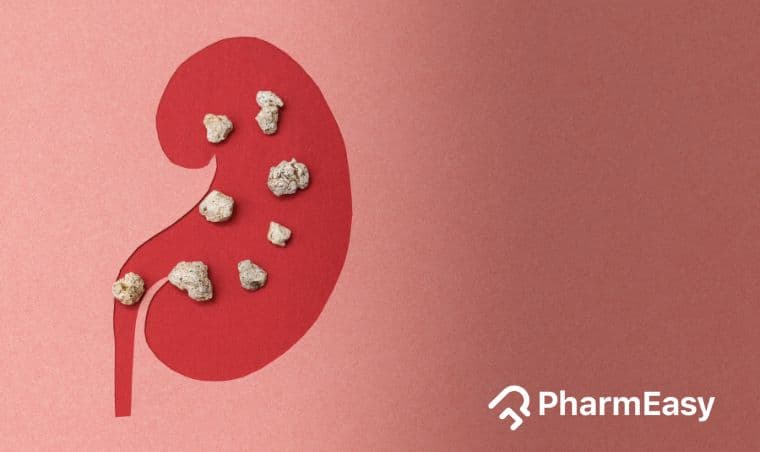
Renal calculi, also known as nephrolithiasis or renal concretions, are hard accumulations composed of minerals and salts that develop within your kidneys. These deposits can impact any portion of your urinary tract — from your kidneys down to your bladder. The discomfort can be intense, frequently described as one of the most severe pains a person can endure.
But why does this occur? The development of renal concretions is often associated with dietary patterns, insufficient fluid consumption, and a genetic predisposition. In India, elements such as a diet rich in animal protein, salt, and sugar, combined with inadequate hydration, particularly during the hot summer months, contribute to a greater incidence.
It sounds simple. It rarely is.
Understanding Renal Calculi
Renal concretions form when your body's fluid contains more crystal-forming constituents — such as calcium, oxalate, and uric acid — than your fluid can dilute. Concurrently, your fluid may lack elements that impede crystals from adhering to one another, establishing an optimal environment for renal concretions to develop.
Over 101 million Indians are estimated to have renal concretions (ICMR, 2023), rendering it a pressing public health concern. These deposits vary in size; some are as minute as a grain of sand, while others can attain the dimensions of a golf ball.
frequent Causes and Risk Factors
Several elements can elevate your likelihood of developing renal concretions. Insufficient fluid consumption is a primary instigator; when you don't drink adequately, your fluid becomes more concentrated, enabling minerals to crystallize more readily.
Consider it this way: your kidneys function as filters, and if you don't regularly flush them with sufficient liquid, the waste products can aggregate and solidify. Dehydration is particularly concerning in India, where temperatures frequently soar, and individuals may not replenish their fluids sufficiently, especially those engaged in outdoor labor or during periods of religious fasting.
That alone changes everything.
Other contributing factors include:
- Diet: Elevated consumption of sodium (salt), animal protein (meat, fish), and oxalate-rich foods (spinach, nuts, chocolate) can accelerate concretion development.
- Obesity: Being overweight or obese is correlated with alterations in the composition of body fluid, escalating the possibility.
- Medical Conditions: Certain ailments such as inflammatory bowel disease, persistent diarrhea, urinary tract infections, gout, and hyperparathyroidism can make individuals susceptible to these deposits.
- Family History: If a relative has experienced renal concretions, you are more prone to developing them as well.
- Certain Medications: Some diuretics, calcium-based antacids, and specific pharmaceuticals used to manage migraines or seizures can elevate the possibility.
Natural Home Remedies for Renal Calculi Relief
While notable renal concretions often necessitate medical intervention, numerous natural remedies can assist in managing smaller deposits, alleviating discomfort, and preventing their recurrence. Dr. Siddharth Gupta stresses that these remedies should be employed as supportive measures and not as substitutes for professional medical guidance.
1. Hydration is Key: Fluid, Fluid Everywhere
The bedrock of renal concretion prevention and management is ample fluid intake. 5 to 3 litres of liquid daily. This helps dilute the concentration of mineral deposits in your body fluid and expels small concretions. What most individuals overlook: consistency is vital.
Sip liquids throughout the day rather than downing large quantities at once. Lemonade is particularly beneficial. The citrate present in lemons can bind to calcium, inhibiting the development of calcium oxalate deposits—the most prevalent variety. A study published in the *Journal of Urology* underscored the effectiveness of citrate therapy.
2. Apple Cider Vinegar (ACV)
Apple cider vinegar contains acetic acid, which is thought to aid in dissolving renal concretions. It may also help reduce the pain and nausea associated with these deposits. Combine 1-2 tablespoons of ACV with a generous glass of liquid and consume it once or twice daily.
Here's where it gets interesting.
Although scientific validation specifically for ACV and renal concretions is limited, its acidic nature is considered advantageous. Anecdotal accounts from numerous patients suggest it provides alleviation.
3. Lemon Juice and Olive Oil
This time-honored combination is a popular folk remedy. The citric acid in lemon juice assists in breaking down calcium-based deposits, while olive oil functions as a lubricant, potentially facilitating the expulsion of concretions. Mix the juice from 2-3 lemons with 1-2 tablespoons of olive oil.
Ingest this mixture on an empty stomach in the morning. Follow it with a large glass of liquid. Although not extensively examined in clinical trials, its widespread application implies some effectiveness for particular individuals.
4. Basil Juice
Basil (tulsi) is esteemed in Indian tradition for its therapeutic qualities. Its juice contains acetic acid and antioxidants, which might aid disintegrate deposits and diminish inflammation. Consume 10-15 ml of fresh basil juice daily on an empty stomach.
Most people overlook this completely.
You can also chew on a few fresh basil leaves. The ICMR has recognized the therapeutic potential of various herbs, including basil, in managing several health conditions.
5. Pomegranate Juice
Pomegranates are abundant in antioxidants and possess astringent characteristics. They can assist in flushing out small deposits and reducing the likelihood of deposit development.
Regularly drinking fresh pomegranate juice may contribute to overall kidney well-being. Research indicates that pomegranate juice can support lessen the supersaturation of body fluid with mineral deposits.
6. Coconut Water
Coconut water acts as a natural diuretic and can assist expel renal concretions. It is also rich in electrolytes and minerals, aiding in the maintenance of the body's fluid equilibrium.
Consistent consumption of tender coconut water can assist in preventing deposit development and promoting kidney health. This is particularly relevant in tropical environments like India, where coconut water is readily accessible and frequently consumed.
7. Dandelion Root Tea
Dandelion root functions as a natural diuretic, assisting in increasing fluid expulsion and clearing toxins and deposits from the kidneys. It also contains compounds that may assist inhibit the development of new deposits.
Steep a tablespoon of dried dandelion root in hot liquid for approximately 10 minutes and drink it a couple of times daily. The World Health Organization (WHO) has documented the traditional uses of various plants, including dandelion, for their diuretic properties.
This is where most those affected struggle.
8. Kidney Bean Broth
Kidney beans, despite their appellation, are frequently utilized in home remedies for kidney vitality. Boiling kidney beans and then straining the liquid to obtain a clear broth is a time-honored remedy.
Consuming this broth throughout the day is believed to assist soothe kidney discomfort and facilitate the passage of deposits. This is a frequent practice in many Indian households, passed down through generations.
9. Uva Ursi
Uva ursi, also known as bearberry, is an herb that has been traditionally employed to address urinary tract infections and renal concretions. It contains constituents with antiseptic and diuretic attributes, aiding in the purification of the urinary system.
It is typically ingested as a supplement or tea, but should be used cautiously and under supervision due to potential adverse effects.
Dietary Modifications for Renal Concretion individuals
Diet plays a pivotal role in both the development and prevention of renal concretions. Here are some crucial dietary adjustments recommended by Dr. Gupta:
- Reduce Sodium Intake: Elevated sodium levels in the diet increase the quantity of calcium in your fluid, significantly raising the danger of calcium deposits. Aim for less than 2,300 mg daily, or even less if advised by your physician.
- Moderate Animal Protein: Excessive ingestion of red meat, poultry, and fish can elevate uric acid levels and diminish citrate levels in body fluid, both of which contribute to deposit development.
- Oxalate Awareness: For calcium oxalate deposits (the most prevalent variety, accounting for approximately 80% of cases), limiting foods high in oxalate such as spinach, rhubarb, nuts, chocolate, and sweet potatoes is frequently advised. However, it is vital not to eliminate them entirely, as they offer other health advantages.
- Increase Calcium Intake (from food): Paradoxically, obtaining sufficient dietary calcium (from sources like dairy or fortified foods) can actually assist prevent deposits by binding to oxalate in the intestines, preventing its absorption and excretion in the fluid. Low calcium intake has been linked to increased deposit possibility.
- Citrus Fruits: Regularly consuming citrus fruits like lemons and oranges can enable elevate urinary citrate levels, which inhibits deposit development.
Lifestyle Changes to Prevent Recurrence
Preventing renal concretions from reappearing is as vital as managing the current episode. So what does this entail for you? Adopting certain lifestyle habits can make a substantial difference.
Regular Exercise: Maintaining a healthy weight through consistent physical activity can reduce the possibility of obesity-related deposit development. It also contributes to overall metabolic well-being. Prolonged periods of sitting on the floor, typical in many Indian homes, might not directly influence deposit development, but sustaining an active lifestyle is paramount.
Weight Management: Shedding excess weight can significantly lower your susceptibility to developing renal concretions. A study in *The Lancet* demonstrated a correlation between obesity and an increased incidence of renal concretions.
Monitor Urine pH: For individuals prone to uric acid deposits, maintaining an alkaline urine pH can be advantageous. This can be achieved through diet and occasionally medication, as prescribed by a physician.
When to Seek Medical assist
While home remedies can be effective for smaller deposits and prevention, it is crucial to recognize when to seek professional medical assistance. If you experience intense pain, fever, chills, nausea, vomiting, or observe blood in your fluid, consult a physician without delay.
This is where most sufferers struggle.
These could indicate a larger deposit, an infection, or an obstruction requiring immediate medical intervention. The Indian Association of Urological Surgeons (IAUS) recommends prompt consultation for severe symptoms.
Here's the reality — self-treatment can sometimes postpone necessary medical care. Always obtain a proper diagnosis from a healthcare professional. For instance, if a deposit measures larger than 5mm, it may not pass on its own and might necessitate procedures like lithotripsy or surgery.
Key Takeaways
- Sufficient fluid intake, aiming for 2.5-3 litres of liquid daily, is paramount for preventing and managing renal concretions.
- Natural remedies such as lemon juice, apple cider vinegar, and basil juice may offer relief and assist in deposit expulsion.
- Dietary adjustments, including reducing sodium and animal protein while moderating oxalate consumption, are crucial for prevention.
- Lifestyle modifications like weight management and regular physical activity play a considerable role in reducing the likelihood of recurrence.
- Severe pain, fever, chills, or blood in fluid necessitate immediate medical consultation.
Always confer with a qualified physician before making any medical decisions.