Ayurvedic Approaches to Leg Puffiness: An Indian Viewpoint
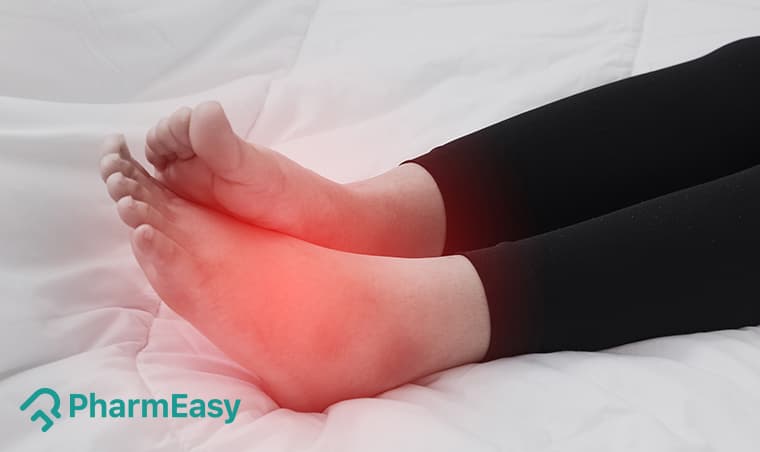
Meena, 45, a homemaker from Jaipur, observed her ankles and feet puffing up alarmingly each evening. Remaining seated for extended durations during her son's wedding preparations had taken its toll. This puffiness, clinically termed edema, is a prevalent complaint, particularly in India, where enduring periods of standing or sitting can be integral to everyday life. Have you ever pondered the reason behind this?
It frequently indicates fluid accumulation within the body's tissues. While serious underlying ailments can precipitate leg puffiness, many instances are manageable through lifestyle adjustments and straightforward, plant-based remedies readily accessible in Indian households. This guide presents an authoritative yet approachable methodology, harmonizing traditional wisdom with contemporary understanding.
Understanding Leg Puffiness (Edema)
Edema in the legs arises when minute blood vessels (capillaries) permit fluid to seep into the surrounding tissues. This can stem from diverse factors, spanning from simple gravitational effects and prolonged inactivity to more intricate health concerns. Standing or remaining seated for extended durations permits fluid to gather in the lower extremities due to gravity.
Gestation, certain pharmaceuticals (such as those for blood pressure or diabetes), and even elevated sodium consumption can contribute substantially. Frankly, what most individuals overlook is the impact of nutrition and light movement in addressing this condition.
That's the part worth remembering.
Common Precipitants of Swollen Legs
- Extended Periods of Sitting or Standing: Gravitational pull directs blood downwards, intensifying pressure within leg veins.
- Elevated Sodium Intake: Sodium prompts the body to retain water.
- Pregnancy: Hormonal shifts and the pressure exerted by the developing uterus influence blood flow.
- Obesity: Excess body mass imposes additional strain on the vascular system.
- Pharmaceuticals: Specific medications can induce water retention as an adverse effect.
- Underlying Health Conditions: Cardiac insufficiency, renal ailment, and hepatic disease represent serious origins.
In practical terms, identifying the instigators is the initial stride towards effective management. For illustration, a study published in The Lancet underscored how dietary sodium levels directly correspond with water retention in susceptible individuals. The World Health Organization (WHO) consistently advocates for limiting sodium consumption to under 5 grams daily to uphold cardiovascular well-being.
powerful Plant-Based Home Remedies for Leg Puffiness
Fortunately, a multitude of plant-based remedies can offer solace. Consider it this way: your body responds favorably to gentle, consistent attention.
1. Elevation: Harnessing Gravitational Assistance
Raising your legs above heart level stands as one of the most uncomplicated yet highly reliable methods for diminishing puffiness. Gravity aids in channeling excess liquid back towards the heart. Endeavor to elevate your legs for 15-20 minutes, several times daily.
While resting or sleeping, support your feet with pillows. This simple action can yield a notable improvement, especially following a lengthy day on your feet.
2. Epsom Salt Baths: Calming Solace
Epsom salt (magnesium sulfate) baths represent a time-honored solution. The magnesium is thought to be absorbed through the epidermis, assisting in moderating inflammation and drawing out impurities. Dissolve one to two cups of Epsom salt in a basin of tepid water and immerse your feet and legs for approximately 20-30 minutes.
The warmth of the water also fosters improved blood flow. This is particularly restorative during the monsoon season when dampness can intensify discomfort.
3. Light Massage: Enhancing Blood Flow
A light leg massage can prove immensely beneficial for promoting lymphatic drainage and blood flow. Employing upward strokes from your ankles towards your heart, delicately massage the affected zones. You can use a plant-derived oil such as coconut oil or almond oil for lubrication.
Concentrate on the calves and thighs. If you have access to a foam roller or a massage ball, these can also serve as valuable instruments for self-massage.
4. Hydration: Abundance is Key
It may seem paradoxical, but imbibing ample water assists your body in expelling surplus sodium and toxins, which can mitigate water retention. Aim for at least 8-10 glasses of water throughout the day.
Most people overlook this completely.
Maintaining adequate hydration ensures your kidneys function optimally, facilitating waste elimination. Dehydration can, in fact, signal your body to conserve more water, exacerbating puffiness.
5. Nutritional Modifications: The Impact of Diet
Your dietary choices play a pivotal role. Reducing sodium intake is paramount. Abstain from processed sustenance, pickles, and excessive salt in your cooking. Contemplate the delightful, inherently low-sodium alternatives available in Indian gastronomy: fresh produce, vegetables, and whole grains.
Potassium-rich edibles like bananas, sweet potatoes, spinach, and legumes can help equilibrate fluid levels. Magnesium-rich foods such as almonds, pumpkin seeds, and dark leafy greens are also advantageous. So, what does this signify for you? A deliberate transition towards whole, unprocessed foods can profoundly influence puffiness.
6. Physical Activity: Sustaining Blood Movement
Consistent, light physical activity is indispensable for preserving robust blood flow. Pursuits like walking, swimming, or cycling are excellent selections.
Even basic leg exercises, such as ankle rotations and calf raises, performed while seated or standing, can enable prevent fluid accumulation. Executing these movements while seated cross-legged (sukhasana) or in a comfortable floor-sitting posture can be especially impactful for enhancing lower body blood flow.
7. Plant-Based Diuretics: Nature's Assistance
Certain plant-derived constituents function as diuretics, aiding your body in expelling excess liquid. Dandelion (frequently found in Ayurvedic formulations), parsley, and cucumber are recognized for their diuretic properties. Incorporating these into your diet, perhaps as herbal infusions or fresh concoctions, can be beneficial.
That alone changes everything.
A study by the Indian Council of Medical Research (ICMR) noted the traditional application of specific herbs for edema management. Bear in mind, restraint is essential.
8. Compression Wear: External Support
Although not precisely a home remedy, graduated compression hosiery is frequently advised by physicians. They exert a gentle pressure on your legs, aiding in the improvement of blood flow and reduction of puffiness.
These are particularly useful for individuals who stand or sit for prolonged durations. Consult your physician for the appropriate type and compression level.
When to Seek Professional Medical Counsel
While home remedies can prove highly successful for mild to moderate puffiness, it is imperative to recognize when to consult a healthcare practitioner. If the puffiness is abrupt, severe, agonizing, affects only one leg, or is accompanied by breathlessness, chest discomfort, or lightheadedness, seek immediate medical aid.
These could be indicators of a serious disorder such as deep vein thrombosis (DVT), cardiac insufficiency, or a renal issue. Over 101 million Indians have diabetes (ICMR, 2023), a situation that can also lead to leg puffiness and other vascular complications, underscoring the significance of routine check-ups.
Warning Signs for Leg Puffiness
- Sudden or intense puffiness
- Puffiness in a single leg
- Discomfort, redness, or warmth in the affected region
- Breathlessness or difficulty inhaling
- Chest discomfort
- Skin alterations (sores, discoloration)
The International Diabetes Federation (IDF) reports that the prevalence of diabetes in India is substantial and increasing, making awareness of its complications, including edema, crucial. Prompt medical assessment is vital to exclude or manage any underlying health challenges.
This is where most patients struggle.
Have you ever pondered why these symptoms are regarded as urgent? They frequently point to a critical disruption in bodily functions.
Principal Learnings
- Leg puffiness (edema) is often precipitated by fluid accumulation due to prolonged inactivity, elevated sodium intake, or underlying health issues.
- Plant-based remedies such as leg elevation, Epsom salt baths, light massage, and maintaining hydration can offer considerable relief.
- Dietary adjustments, including reducing sodium and increasing potassium consumption, are vital for managing puffiness.
- Regular, light physical activity enhances blood flow and helps avert fluid buildup.
- Seek immediate medical assistance for sudden, severe, or unilateral puffiness, particularly when accompanied by other concerning manifestations.
Always confer with a qualified physician before making any health-related decisions.