Gentle Skin Care: Soothing Your Skin After Excessive Sun Exposure
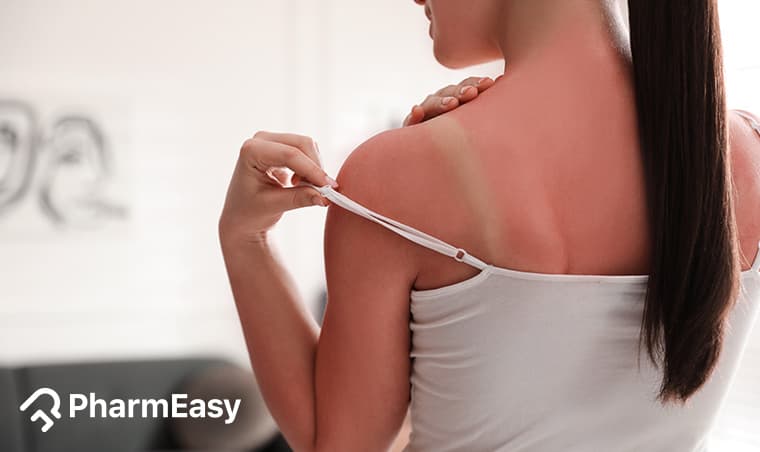
Meena, 45, a homemaker from Jaipur, noticed her skin turning red and feeling intensely hot after spending an afternoon tending to her garden during the peak summer months. The discomfort was palpable, making even simple tasks like wearing her sari feel irritating. This common scenario highlights the pervasive issue of excessive sun exposure, especially in a country like India where outdoor activities are frequent and the sun's rays can be particularly fierce.
While preventive measures are always the first line of defence, accidental overexposure happens. Thankfully, a variety of effective home remedies can offer significant comfort and aid in the recovery process. Understanding how overexposure affects the skin is crucial for choosing the right treatment.
Overexposure is essentially an inflammatory reaction to ultraviolet (UV) radiation injury to the skin's cells. The redness, pain, swelling, and sometimes blistering are your body's way of signalling harm. In many cases, this injury can increase the long-term risk of skin aging and skin cancer.
According to the World Health Organization (WHO), UV radiation is a known human carcinogen, and excessive exposure significantly elevates the danger of melanoma and other skin cancers. In India, awareness about sun protection is growing, yet the incidence of overexposure remains high, particularly among those who spend considerable time outdoors, like farmers, construction workers, and even during leisurely activities like attending festivals or visiting popular tourist spots.
Here's where it gets interesting.
Understanding the Injury: What Happens to Overexposed Skin?
When UV rays penetrate the skin, they injure the DNA within skin cells. This triggers an inflammatory response, where blood vessels dilate to bring immune cells to the area to repair the injury. This increased blood flow is what causes the characteristic redness (erythema) and warmth.
The discomfort and pain are due to the release of inflammatory chemicals that stimulate nerve endings. Severe overexposure can lead to peeling as the body sheds injured skin cells, and in extreme cases, blistering occurs, indicating deeper skin injury. Prolonged and repeated sun exposure can lead to premature aging, including wrinkles and sunspots, and significantly increases the possibility of developing skin cancer.
Immediate Comfort: The Power of Coolness
The first step in managing overexposure is to cool the affected area. This helps to reduce inflammation and alleviate the burning sensation. Think about it this way: you're trying to calm down an overheated engine.
Cool Compresses and Baths
Applying a cool, damp cloth to the overexposed skin can provide instant comfort. Avoid using ice directly on the skin, as this can cause further harm. A cool bath or shower can also be very impactful.
It sounds simple. It rarely is.
Instead of scrubbing, gently pat your skin dry with a soft towel. Adding a cup of milk to a cool bath can also be beneficial; the proteins in milk have a soothing effect on the skin. For those who prefer traditional methods, sitting on a cool, tiled floor (widespread in Indian homes) after a cool shower can offer a pleasant way to dissipate heat from the body and soothe inflamed skin.
The Role of Hydration
Overexposure draws fluid to the skin's surface and away from the rest of the body. Therefore, staying well-hydrated is paramount. Drink plenty of water, fruit juices, and electrolyte-rich drinks.
This helps your skin recover from the inside out and prevents dehydration, which can exacerbate the discomfort. The Indian monsoon season, while bringing comfort from heat, can also be humid, but staying hydrated remains critical even then.
Home Ingredients for Overexposure Comfort
Several home ingredients, readily available in Indian households, possess remarkable restorative and soothing properties. These remedies have been used for generations, passed down through families, and are often gentle on sensitive, sun-damaged skin.
Aloe Vera: The Golden Gel
Aloe vera is perhaps the most well-known and reliable home remedy for overexposure. Its anti-inflammatory and cooling properties work wonders. Pure aloe vera gel, directly from the plant's leaf or a high-quality store-bought version (ensure it's at least 90% pure aloe), can be applied generously to the overexposed areas.
Recovery is rarely linear.
It helps to moisturize the skin, reduce redness, and promote recovery. Studies published in journals like 'The Lancet' have often highlighted the therapeutic benefits of aloe vera for skin conditions, including burns. Many Indian households grow aloe vera plants in their balconies or gardens, making it easily accessible.
Cucumber: A Refreshing Balm
Cucumbers have a high water content and contain antioxidants that can help cool and soothe the skin. Chilled cucumber slices can be placed directly on the affected areas, or you can blend cucumber into a pulp and apply it as a paste. This offers a refreshing and hydrating effect. The cool moisture helps to reduce swelling and discomfort.
Oatmeal: The Gentle Soother
Colloidal oatmeal (finely ground oatmeal) is excellent for soothing itchy, irritated skin. You can add a cup of colloidal oatmeal to a cool bath and soak for about 15-20 minutes.
Alternatively, you can make a paste by mixing oatmeal with cool water and applying it to the overexposed skin. Oatmeal helps to reduce inflammation and relieve itching, which is usual as the overexposure begins to recover and the skin starts to peel.
Yogurt and Milk: Cooling and Moisturizing
Plain, unsweetened yogurt or milk can be applied directly to the overexposed skin. The lactic acid in yogurt and milk can aid to soothe and moisturize. Applying cool yogurt feels particularly refreshing. Rinse off gently after 10-15 minutes. This is a simple yet successful remedy often used in Indian homes for minor skin irritations.
That alone changes everything.
Potatoes: Anti-Inflammatory Properties
Raw potatoes contain starch and anti-inflammatory compounds that can enable draw out heat and reduce swelling. You can grate a raw potato and apply the pulp to the overexposed area, or simply rub a slice of raw potato gently over the affected skin. Let it dry and then rinse with cool water.
What to Avoid When You Have Overexposure
While seeking comfort, it's equally important to know what not to do. Certain actions can worsen the injury and delay recovery.
Avoid Harsh Soaps and Exfoliants
Overexposed skin is extremely sensitive. Harsh soaps, scrubbing, and exfoliating products will strip away inherent oils and further irritate the injured skin, potentially leading to infection. Stick to gentle, fragrance-free cleansers if you need to wash the area.
Petroleum Jelly and Heavy Oils
Initially, avoid applying thick, occlusive products like petroleum jelly or heavy oils. These can trap heat in the skin, making the overexposure feel worse and potentially hindering the inherent cooling process. Once the initial heat has subsided and the skin is no longer hot to the touch, a light, fragrance-free moisturizer can be beneficial.
Don't Pick at Peeling Skin
As the overexposure recovers, your skin will likely start to peel. It's tempting to pick at the loose skin, but resist the urge. Picking can lead to scarring, infection, and slower recovery. Allow the skin to shed inherently.
This is where most patients struggle.
Avoid Further Sun Exposure
This might seem obvious, but it bears repeating. Until the overexposure has completely recovered, stay out of the sun.
If you must go outside, cover the affected areas with protective clothing and use a broad-spectrum sunscreen with an SPF of 30 or higher on any recovering skin that will be exposed. Protection is key to preventing future occurrences.
When to Seek Medical Attention
While most overexposures can be managed at home, some cases require professional medical assist. But why does this happen? Certain symptoms indicate a more severe reaction that needs immediate attention.
- Severe blistering covering a large area of the body.
- High fever, chills, or confusion.
- Signs of dehydration, such as dizziness, dry mouth, or decreased urination.
- Signs of infection, like increased pain, swelling, pus, or red streaks leading from the burn.
- Overexposure in infants or very young children.
For severe burns, consulting a doctor is essential. They can prescribe stronger pain relievers, topical steroids, or antibiotics if an infection develops.
Institutions like the All India Institute of Medical Sciences (AIIMS) often have specialized burn units that can provide expert care. The International Diabetes Federation (IDF) also notes that individuals with diabetes may have compromised recovery capabilities, making severe overexposures potentially more problematic.
Preventing Overexposure: The Best Remedy
Practically speaking, the best 'remedy' for overexposure is prevention. Following simple sun safety practices can save you from the discomfort and potential long-term injury associated with excessive sun exposure.
Recovery is rarely linear.
- Seek Shade: Especially during peak sun hours (typically 10 AM to 4 PM).
- Wear Protective Clothing: Long-sleeved shirts, trousers, wide-brimmed hats, and UV-blocking sunglasses are essential.
- Use Sunscreen Generously: Apply a broad-spectrum sunscreen with an SPF of 30 or higher at least 15-30 minutes before going outside, and reapply every two hours, or more often if swimming or sweating.
- Be Mindful of Reflective Surfaces: Water, sand, and snow can reflect UV rays, increasing your exposure.
- Check the UV Index: Many weather apps provide a UV index forecast; take extra precautions when it's high.
Honestly, neglecting sun protection can lead to notable skin issues over time. A study by the Indian Council of Medical Research (ICMR) indicated a rise in skin cancer cases, underscoring the importance of consistent sun protection habits. Protecting your skin is not just about avoiding overexposure; it's about long-term skin health.
Key Takeaways
- Cool compresses, cool baths, and ample hydration are crucial first steps for overexposure comfort.
- Home remedies like aloe vera, cucumber, and oatmeal offer soothing and restorative properties for damaged skin.
- Avoid harsh soaps, scrubbing, and picking at peeling skin to prevent further irritation and infection.
- Preventing overexposure through shade, protective clothing, and sunscreen is the most successful strategy.
- Seek medical attention for severe blistering, fever, signs of dehydration, or infection.
Always consult a qualified physician before making any medical decisions.