Simple Home Remedies for Varicose Veins: Doctor's Advice
Meena, 45, a homemaker from Jaipur, noticed her legs felt heavy and achy by the end of the day. Small, twisted blue vessels started appearing on her calves, becoming more prominent after a long day of managing her household.
She initially dismissed it as fatigue, but the discomfort grew, and the visual changes worried her. Have you ever wondered why some people develop these unsightly and sometimes painful vessels?
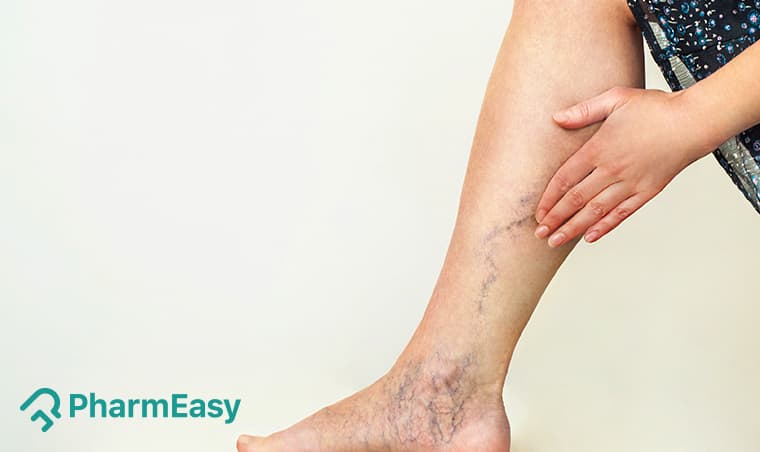
Varicose veins are enlarged, twisted vessels, often appearing on the legs and feet. They occur when the valves inside the vessels, which are responsible for ensuring flow moves in one direction (towards the heart), become weak or damaged. This allows fluid to pool in the vessels, causing them to swell and bulge.
The reality is, it's a common condition affecting a significant portion of the adult population. In India, estimates suggest that anywhere from 20% to 50% of adults may experience varicose veins, with women being more susceptible due to hormonal changes and pregnancy. Practically speaking, this means millions of Indians grapple with this problem annually.
Understanding the Causes of Varicose Veins
Several factors contribute to the development of varicose veins. Genetics plays a substantial role; if your parents or grandparents had them, your risk increases significantly. Age is another factor, as vessel walls and valves can weaken over time.
This is where most patients struggle.
Hormonal changes, particularly during pregnancy, puberty, menstruation, and menopause, can also contribute. Increased fluid volume during pregnancy can put extra strain on vessels.
Prolonged standing or sitting is a major culprit, especially in professions that demand it. Think about those who spend hours on their feet, like teachers or shopkeepers, or those who sit for long periods, like IT professionals. This sedentary lifestyle or static posture impedes efficient return flow to the heart.
Obesity is another notable likelihood factor; excess weight puts additional strain on the vessels. What most people miss: the impact of chronic constipation, which can increase abdominal pressure and hinder venous return.
chance Factors in the Indian Context
Certain aspects of Indian life can exacerbate the possibility. For instance, spending long hours sitting on the floor in traditional Indian households, especially during festivals or religious ceremonies, can sometimes impede flow if done without adequate movement.
The diet, while often rich in fibre, can sometimes be low in certain micronutrients crucial for vascular health if not balanced properly. The prevalence of diabetes in India, with over 101 million people affected (ICMR, 2023), also indirectly contributes, as diabetes can damage vessels and nerves, affecting flow.
That alone changes everything.
Simple Home Aids for Varicose Veins
While severe cases may require medical intervention, many individuals can find major relief and management through simple, accessible home aids. These approaches focus on improving flow, reducing inflammation, and strengthening vessel walls.
1. Elevate Your Legs
This is perhaps the simplest yet most effective aid. Elevating your legs above heart level for 15-20 minutes, several times a day, helps gravity assist flow back to the heart, reducing strain in the leg vessels. Try doing this after a long day, perhaps while watching your favourite serial. It’s a small change that makes a big difference.
2. Regular Exercise
Movement is crucial for healthy flow. Activities like walking, swimming, cycling, and yoga are excellent for strengthening leg muscles and improving flow. These exercises help pump fluid out of the legs.
Even simple calf raises — flexing your feet up and down while sitting or standing — can make a meaningful impact over time. Aim for at least 30 minutes of moderate exercise most days of the week. Studies published in journals like The Lancet have repeatedly highlighted the cardiovascular benefits of regular physical activity.
Recovery is rarely linear.
3. Maintain a Healthy Weight
As mentioned, excess weight puts added strain on your vessels. Losing even a small amount of weight can reduce strain and improve symptoms. Focus on a balanced diet and regular exercise to achieve and maintain a healthy Body Mass Index (BMI). The International Diabetes Federation (IDF) notes the strong link between obesity and vascular diseases.
4. Dietary Adjustments
What you eat plays a vital role in vessel health. Incorporate plenty of fibre-rich foods like fruits, vegetables, and whole grains to prevent constipation.
Foods rich in flavonoids, such as berries, apples, onions, and spinach, can enable strengthen vessel walls and reduce inflammation. Staying hydrated by drinking plenty of water is also essential for good flow.
Foods to Include:
- Berries (blueberries, strawberries, raspberries)
- Leafy greens (spinach, kale)
- Nuts and seeds (walnuts, almonds, flaxseeds)
- Whole grains (oats, brown rice, quinoa)
- Lean proteins (fish, chicken, legumes)
Conversely, limiting salt intake is important, as excessive sodium can lead to fluid retention and swelling, worsening varicose veins. Avoiding processed foods and excessive sugar is also advisable.
5. Compression Stockings
These specially designed stockings apply gentle pressure to your legs, helping to optimise fluid movement and reduce swelling. They are graduated, meaning the pressure is tightest at the ankle and decreases as it goes up the leg.
Wearing them daily, especially if you stand or sit for long periods, can provide considerable relief. They are readily available and come in various strengths.
6. Herbal Aids and Natural Treatments
Certain natural ingredients have been traditionally used for their anti-inflammatory and vessel-strengthening properties. While scientific evidence varies, many find them beneficial. Have you ever wondered about the power of traditional Indian aids?
Here's where it gets interesting.
Horse Chestnut Extract:
This is one of the most studied herbal aids for varicose veins. It contains aescin, which is believed to strengthen vessel walls and reduce inflammation and swelling. Look for supplements or creams containing standardized horse chestnut extract.
Witch Hazel:
Applied topically, witch hazel can assist tighten tissues and reduce inflammation and discomfort associated with varicose veins. It's known for its astringent properties.
Apple Cider Vinegar (ACV):
While direct scientific evidence is limited, many anecdotal reports suggest applying diluted ACV to the affected areas can elevate flow and reduce swelling. Dilute it with water before applying to avoid skin irritation.
Essential Oils:
Oils like cypress, peppermint, and lavender, when diluted with a carrier oil (like coconut or almond oil) and massaged gently onto the legs, are thought to enhance flow and reduce swelling. Always perform a patch test first.
7. Avoid Prolonged Standing or Sitting
If your job requires you to stand or sit for extended periods, make a conscious effort to move around frequently. Take short breaks every 30-60 minutes to walk, stretch, or simply shift your weight. This simple habit can significantly elevate venous return.
Recovery is rarely linear.
For those who sit, try to get up and walk around for a few minutes every hour. Consider a standing desk if feasible.
8. Manage Constipation
Straining during bowel movements increases strain in the abdominal cavity, which can impede fluid movement from the legs. Ensure adequate fibre intake, stay hydrated, and engage in regular physical activity to maintain healthy bowel habits.
So what does that mean for you? It means paying attention to your digestive health is directly linked to your vessel health.
9. Cool Water Showers or Baths
While not a cure, cool water can provide temporary relief from aching and heavy legs. A cool shower or bath can constrict vessels, potentially improving comfort. Avoid very hot water, as it can dilate vessels further.
When to Seek Medical Attention
Home aids can be highly reliable for managing mild to moderate varicose veins. However, it's crucial to recognize when professional medical advice is necessary. If you experience severe pain, skin changes (like ulcers or discolouration), bleeding from the vessels, or if the swelling is sudden and painful, you must consult a doctor immediately.
Conditions like deep vein thrombosis (DVT), though distinct, share some manifestations and require urgent medical care. A vascular specialist can diagnose the severity and recommend appropriate treatments, which might include lifestyle modifications, medications, sclerotherapy, laser treatment, or surgery.
Most people overlook this completely.
The journey to managing varicose veins often involves a combination of lifestyle changes and targeted aids. By incorporating these simple home-based strategies, you can take proactive steps towards healthier vessels and improved comfort. Remember, consistency is key. Little changes, adopted over time, can yield substantial benefits.
Key Takeaways:
- Elevating your legs above heart level for 15-20 minutes daily aids fluid movement.
- Regular exercise like walking and swimming is crucial for improving flow.
- Maintaining a healthy weight reduces strain on leg vessels.
- Diet rich in fibre and flavonoids, with adequate hydration, supports vessel health.
- Compression stockings offer external support to strengthen fluid movement.
Always consult a qualified physician before making any medical decisions.