Understanding Underarm Aroma: Beyond Simple Perspiration
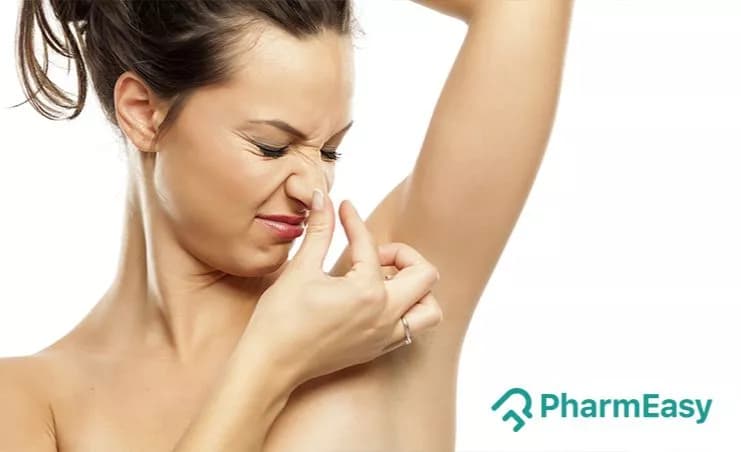
Meena, 45, a homemaker from Jaipur, noticed a persistent, unpleasant scent emanating from her underarms, even after showering. This is a common concern, and understanding its root is the first step towards effective management. What most people miss: it's not the perspiration itself that smells. Perspiration, primarily composed of H2O and salt, is odourless.
The distinct, often embarrassing, smell arises when skin microbes break down the proteins and fatty acids present in perspiration, particularly from apocrine glands, which are concentrated in areas like the armpits and groin. These microbes thrive in warm, moist environments – making our underarms a perfect breeding ground. Honestly, this microbial action is an inherent process, but its intensity can vary significantly among individuals due to genetics, diet, and cleanliness practices.
Practically speaking, factors like puberty, hormonal shifts (during menstruation or menopause), stress, certain medications, and specific medical conditions can influence the amount and composition of perspiration, thereby affecting body scent. For instance, a study published in The Lancet highlighted how stress-induced perspiration can contain different precursors for odour compared to perspiration generated during physical exertion. So what does that mean for you? It means that simply washing more frequently might not be the complete solution if underlying factors are contributing to the problem.
prevalent Causes of Persistent Underarm Aroma
Several factors contribute to the development of smelly armpits. Over 101 million Indians have diabetes (ICMR, 2023), a condition that can sometimes exacerbate body scent due to changes in metabolism and increased susceptibility to infections. Another significant contributor is poor cleanliness. Infrequent bathing or not washing thoroughly allows microbes to proliferate unchecked.
Wearing synthetic fabrics that don't allow the skin to breathe can trap moisture and heat, creating an ideal environment for microbial growth. What most people miss: the link between diet and body scent is often underestimated. Foods rich in sulfur compounds, like garlic and onions, and certain spices frequent in Indian cuisine, can be excreted through sweat glands, contributing to a stronger aroma.
That's the part worth remembering.
Here's the thing — hormonal fluctuations play a crucial role. During adolescence, pregnancy, or menopause, hormonal shifts can increase the activity of apocrine glands, leading to more perspiration production and, consequently, a higher potential for aroma. Even something as simple as stress can trigger the release of stress hormones, prompting the apocrine glands to produce more perspiration.
What should you actually do? Understand your body's unique responses and consider these factors when looking for solutions.
powerful Home Remedies for Smelly Armpits
Fortunately, numerous accessible home remedies can help manage and reduce underarm aroma. These methods focus on combating microbes, absorbing moisture, and neutralising scents.
1. Baking Soda: The Scent Neutraliser
Baking soda (sodium bicarbonate) is a fantastic deodoriser. Its alkaline nature helps neutralise the acids produced by odour-causing microbes. It also has mild absorbent properties. Mix a tablespoon of baking soda with a teaspoon of H2O to form a paste.
Apply this paste to your clean, dry armpits and let it sit for 5-10 minutes before rinsing it off with cool H2O. You can do this 2-3 times a week. Honestly, it's a simple yet highly impactful remedy that many households already have.
2. Lemon Juice: The Gentle Antiseptic
The citric acid in lemon juice acts as a gentle antiseptic, killing odour-causing microbes. Its acidity also helps lower the skin's pH, making it less hospitable for microbes. Cut a lemon in half and gently rub the cut side on your armpits.
The numbers don't lie.
Allow the juice to dry completely before dressing. Be cautious if you have sensitive skin or have recently shaved, as lemon juice can cause a stinging sensation. Using it once a day, preferably in the evening, is generally sufficient.
3. Apple Cider Vinegar (ACV): The pH Balancer
Similar to lemon juice, apple cider vinegar has acidic properties that can aid kill microbes and balance the skin's pH. , 2 tablespoons of ACV with 2 tablespoons of H2O). Apply the diluted solution to your armpits using a cotton ball or pad.
Let it air dry before washing off or dressing. ACV can be used daily, but monitor your skin for any irritation.
4. Tea Tree Oil: The Potent Antiseptic
Tea tree oil is renowned for its powerful antibacterial and antifungal properties. , 2-3 drops of tea tree oil per tablespoon of coconut oil) can be applied to the armpits. This dilution prevents skin irritation.
This potent oil helps eliminate the microbes responsible for body scent. Do a patch test first to ensure you don't have an adverse reaction. Use it sparingly, perhaps 3-4 times a week.
5. Witch Hazel: The Astringent Action
Witch hazel acts as an astringent, helping to shrink pores and reduce perspiration. It also possesses mild antibacterial properties that can combat aroma. Apply a small amount of alcohol-free witch hazel extract to a cotton pad and wipe your armpits. This can be done daily after showering. It’s a gentler option for those with sensitive skin.
Recovery is rarely linear.
6. Coconut Oil: The Moisturiser and Antimicrobial Agent
Coconut oil has antimicrobial properties due to its lauric acid content. It can aid fight odour-causing microbes while also moisturising the skin. Apply a thin layer of virgin coconut oil directly to your armpits. You can use it as a deodorant alternative or before applying another remedy. It’s safe for daily use.
7. Neem: The Traditional Indian Antiseptic
Neem is a staple in Indian households for its medicinal properties, including its potent antibacterial and antiseptic qualities. Making a paste from dried neem leaves or using neem oil can be highly successful. Boil a handful of neem leaves in H2O, let it cool, and use the H2O as a rinse for your armpits.
Alternatively, mix neem powder with a little H2O or rose H2O to form a paste and apply it for 10-15 minutes before washing off. This traditional remedy has been trusted for generations.
Lifestyle and Dietary Adjustments for Scent Control
While home remedies are impactful, integrating them with certain lifestyle and dietary changes can significantly enhance scent control. Here's the thing — managing what you eat can directly impact how you smell. Reducing your intake of pungent foods like garlic, onions, strong spices, and excessive red meat can make a noticeable difference.
Staying well-hydrated by drinking plenty of H2O (around 8-10 glasses daily) helps flush out toxins and can dilute the concentration of waste products in your perspiration. As the IDF (International Diabetes Federation) emphasizes, hydration is crucial for overall metabolic health, which indirectly impacts body scent.
That alone changes everything.
Wearing breathable fabrics is paramount. Fibres like cotton, linen, and bamboo allow air to circulate, keeping the underarms drier and less hospitable to microbes. Avoid tight-fitting synthetic clothing, especially during warmer months or physical activity. Practicing good cleanliness is non-negotiable. Showering at least once daily, and more often if you exercise or perspire heavily, is essential.
Ensure you dry your armpits thoroughly after washing, as moisture encourages microbial growth. What most people miss: managing stress is a key, often overlooked, factor. Practicing mindfulness, yoga, or meditation can benefit regulate stress hormones, thereby potentially reducing stress-induced perspiration and aroma. Even simple acts like taking deep breaths throughout the day can assist.
If you're living in India, consider how the monsoon season affects humidity and perspiration. During these times, maintaining extra vigilance with cleanliness and using scent-controlling remedies becomes even more important.
What should you actually do? Adopt a holistic approach combining these remedies and lifestyle changes for sustained freshness.
When to Seek Professional Medical Advice
While home remedies and lifestyle changes are often sufficient, there are instances when persistent or sudden changes in body scent warrant a doctor's visit. If you experience a sudden, foul aroma that doesn't improve with basic cleanliness, or if the aroma is accompanied by other symptoms like fever, changes in skin texture, or excessive perspiration (hyperhidrosis), it's crucial to consult a healthcare professional. Some medical conditions, such as diabetes, liver or kidney issues, or metabolic disorders, can manifest with distinct body odours.
Recovery is rarely linear.
Honestly, seeking timely medical advice ensures that any underlying health issues are identified and treated appropriately. Doctors at institutions like AIIMS are well-equipped to diagnose and manage such conditions.
Remember, a persistent, strong aroma could also be a sign of a skin infection that requires medical treatment. Don't hesitate to seek professional enable if you're concerned. The WHO also emphasizes the importance of consulting healthcare providers for persistent health concerns.
Key Takeaways
- Underarm aroma is caused by microbes breaking down perspiration, not perspiration itself.
- Baking soda, lemon juice, apple cider vinegar, and tea tree oil are successful home remedies for scent control.
- Neem and coconut oil offer traditional Indian and beneficial antimicrobial properties.
- Lifestyle factors like diet (reducing pungent foods), hydration, breathable clothing, and stress management are crucial.
- Consult a doctor if aroma is sudden, persistent, or accompanied by other concerning manifestations.
Always consult a qualified physician before making any medical decisions.